
We spent about 7 days exploring Tasmania, and while we had an amazing time exploring and staying in beautiful cottages, there are some things we wish we had known before the trip. Our tips and recommendations below on all things to know about Tasmania will provide a smoother journey for you.
Travel tips for Tasmania: things to know about Tasmania before you go
1. Download your navigation maps beforehand
There is not a lot of phone signal outside of towns and Hobart, especially in the mountains. Even in St Helens we had trouble getting access and had to rely on wifi from cafes and restaurants to figure out our navigation.
Tip: download your google maps or any other navigation that you use and make them available offline before you leave a major town or city.
2. Fill up on gas when you can
You will find gas stations easily in the main towns like Hobart, St Helen, and Deloraine, but we drove from Hobart to Deloraine and did not see one gas station. Thankfully we had a tank full but it would have been problematic if we ran out of gas, particularly because we lost all cell phone reception and would not have been able to call anyone.
3. Drive carefully
Prior to starting the trip, I was told that people in Tassie drive leisurely. I did not find that to be the case. The only people we found driving at the speed limit were the ones in campervans.
Roads are small and there are a lot of curves, especially when going into the mountains, and people were constantly overtaking us. One car was coming towards us so fast on a curve that it seemed the driver was actually losing control of his car. Some roads are also not paved. Follow the speed limit, and if people want to overtake, that’s on them.
4. Watch out for wildlife crossing
I have never seen so much roadkill as I did in Tasmania. There were all kinds of roadkill, but wallabies and wombats were the most we saw.
We asked fellow Tassies about this and the general answer was that people just don’t seem to care a lot about animal welfare or extinction concerns, which was very surprising.
The animals that get killed are usually the nocturnal ones, and since the roads are not well lit, it can be hard for drivers to spot them in time to brake. It was heartbreaking to see so many dead animals.
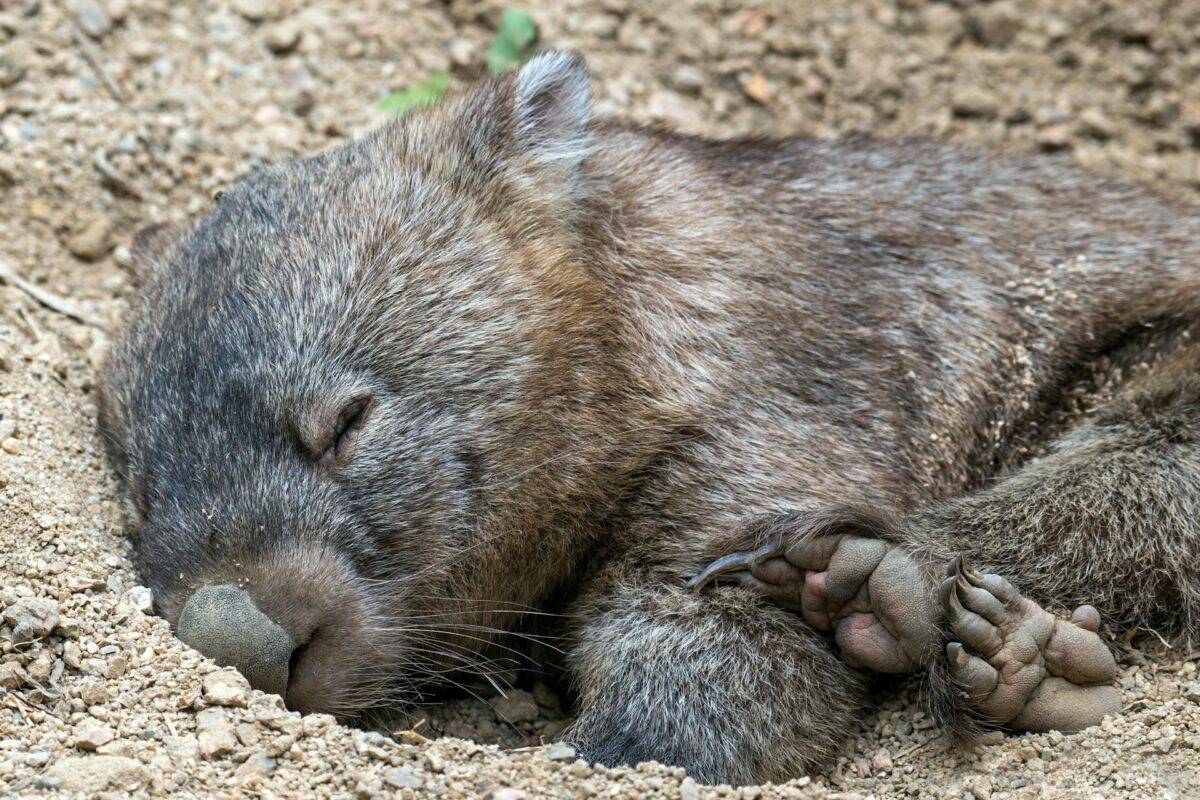
This wombat that we met at the Trowunna Wildlife Sanctuary was found sitting next to its dead mother on the road, and was rescued and is now being cared for until its safe release in the wild.
5. Don’t buy water bottles
Tap water is safe to drink in Tasmania and is freely offered at restaurants. Tasmania has soft water, which means it tastes good and is also great for your hair and skin. My hair was feeling silky and light immediately after washing it.
If you really need to buy water (for instance if you’re going camping), buy the 10-litres box that uses very little plastic. It has a little tap that makes it easy to pour the water.
6. Dress in layers
For all seasons aside from the middle of summer, dress in layers and always bring a jacket. For the warmer seasons, bring a rain jacket or a light wind jacket. You can often experience all 4 seasons in one day, so it’s best to be prepared.
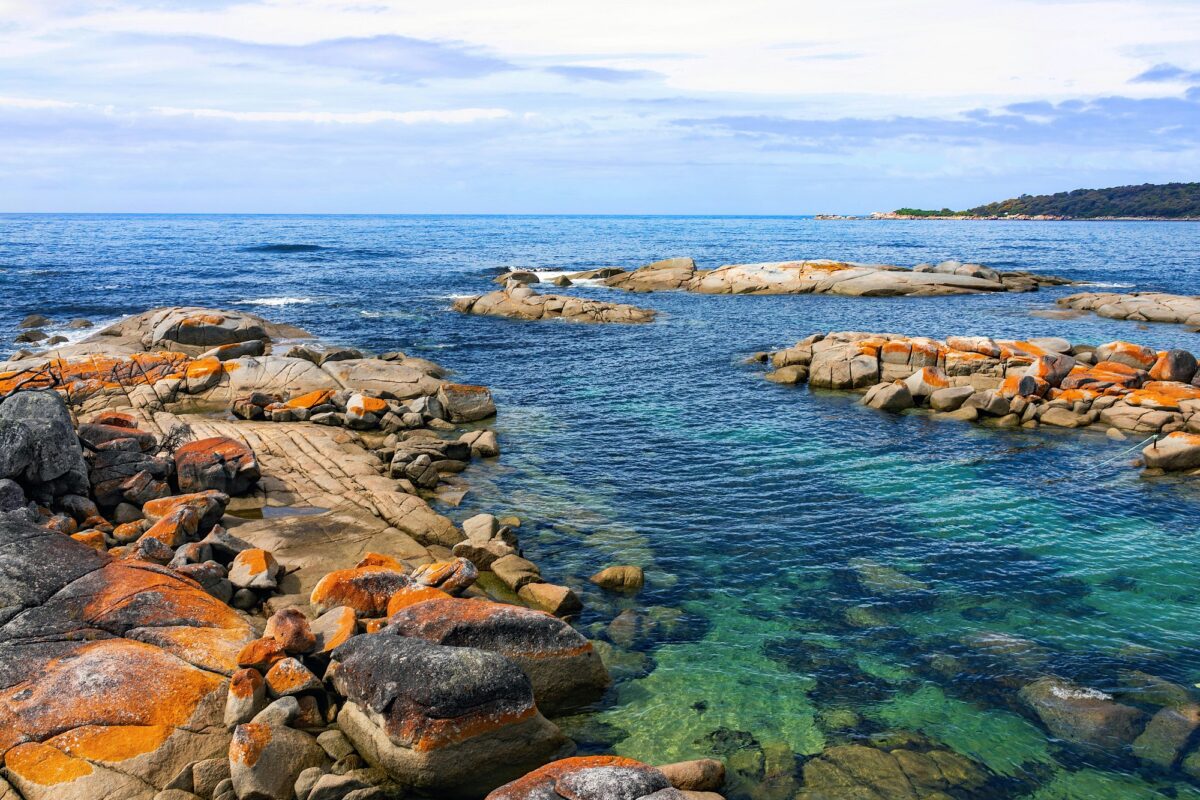
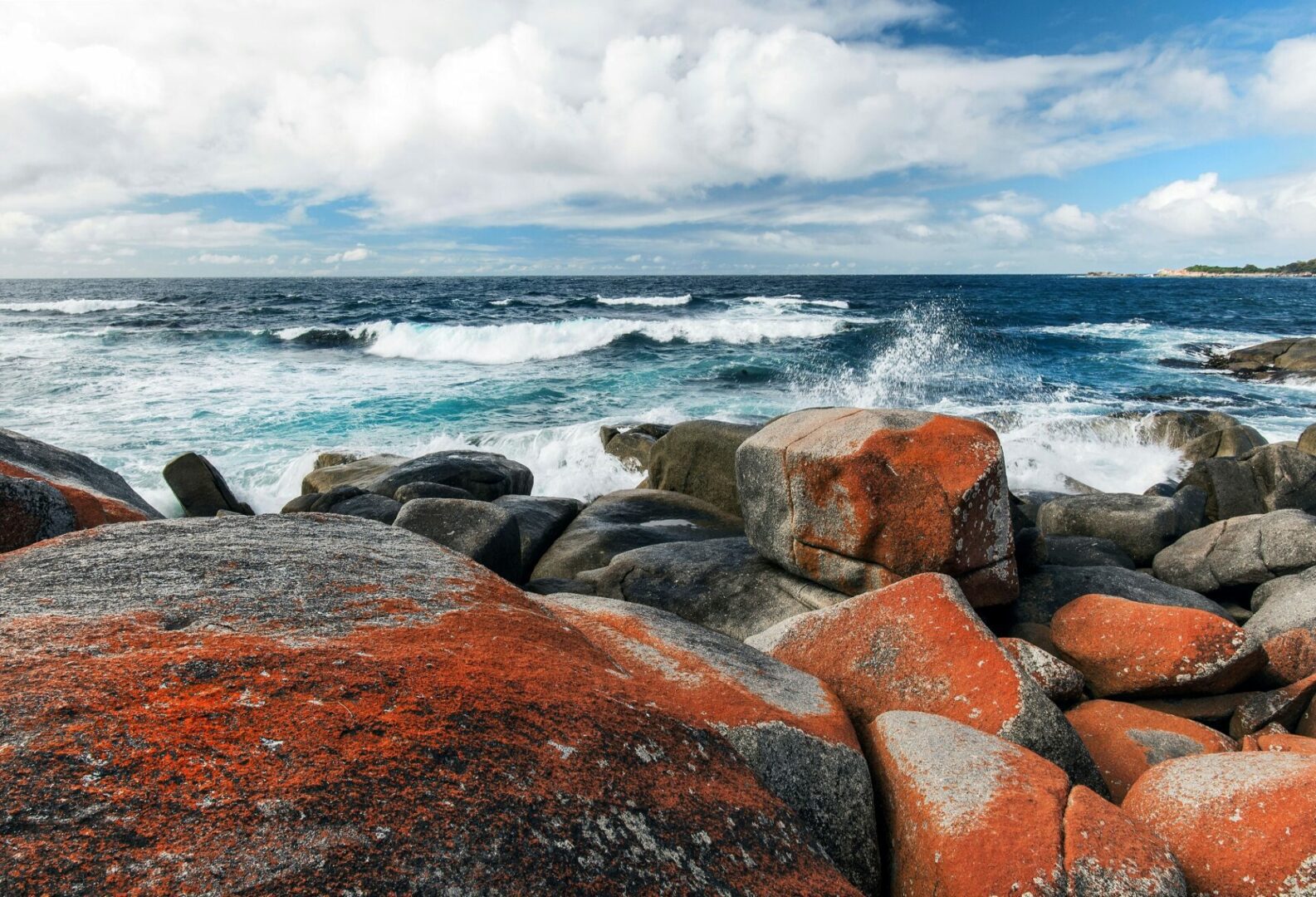
On a light autumn day, we experienced 20℃ (about 68℉) with wind and sun on the beach (Binalong Bay) but it was over 33℃ (about 91℉) in the car.
7. Wear sunscreen
The sun will burn you more than you expect. It might not feel like it because it can get windy, but you definitely need sun protection in Tasmania. Its UV index is 11 on most days, which is very high.
8. Get your National Park Pass
If you’re planning on visiting National Parks (which is one of the main activities in Tasmania), you will need to purchase a pass, either per vehicle or per person.
9. Pay attention to the rules and laws
Rules are taken seriously, and should be respected. Some important rules to note:
- Many places such as the national parks don’t allow drones. I recommend visiting Freycinet National Park and Cradle Mountain National Park.
- Some public spaces like parks and beaches don’t allow dogs, or ask dogs to be on a leash.
- Don’t bring in fresh produce into Tasmania, even from mainland Australia.
FAQs about things to know about Tasmania
- Is Tasmania part of Australia?
Tasmania is an island separated from mainland Australia, but is a state of the Commonwealth of Australia.
- Is Tasmania a popular tourist destination?
Tasmania is popular mostly among Australians and New Zealanders, and is often overlooked by tourists who are not from the Oceania area and come a long way to visit mainland Australia or New Zealand.
- Is it worth it to visit Tasmania?
It is absolutely worth it to visit Tasmania if you prefer nature and rugged tourism rather than big cities. There are also lovely cabins you can stay in, perfect for a relaxing getaway.
- Is Tasmania safe?
Tasmania is safe in terms of crime rate and people are friendly and welcoming.
- Are there venomous animals in Tasmania?
Yes there are three types of venomous snakes in Tasmania, and two dangerous spiders called the Funnel Web Spider and the Redback Spider.
- Is Tasmania expensive?
Australia is generally considered to be an expensive destination, but Tasmania is slightly more affordable than mainland Australia.
- What is Tasmania famous for?
Tasmania is known for the Tasmanian Devil, a carnivorous animal of the marsupial family that has a very loud scream and sharp teeth. Tasmanian devils are not dangerous to humans.
Final thoughts on all the things to know about Tasmania
Now that you’re well equipped with the necessary travel tips and all things to know about Tasmania, check out our 7 day itinerary for all the eco things to do in Tasmania.
And check out our free pdf guide for how to become a sustainable traveller, with step by step guidelines.