When doing a safari, it’s important to understand that you are entering the animals’ home without being invited. There are specific rules and regulations to follow, and I’ve compiled all of this information here so you have everything in one place about how to do an eco safari.
PS: These general rules about sustainable safaris apply to all animal safaris worldwide, not just in the African continent. They were incredibly useful to me on my South African safari in Kruger National Park.
But even if you’re doing a group tour, such as the eco-friendly South African tours by G Adventures, the rules below still apply.
What you need to know in order to have a sustainable safari experience
Many of the African safari operators and game rangers, if not most, are very careful about respecting the wildlife and the animals’ space. However, an eco safari is more than that, and is not just on the shoulders of the game rangers or your accommodation to be sustainable. It’s also on us, the visitors, to follow certain rules, especially if you rented a car and are doing self-drive safaris without a guide.
Choose a sustainable accommodation
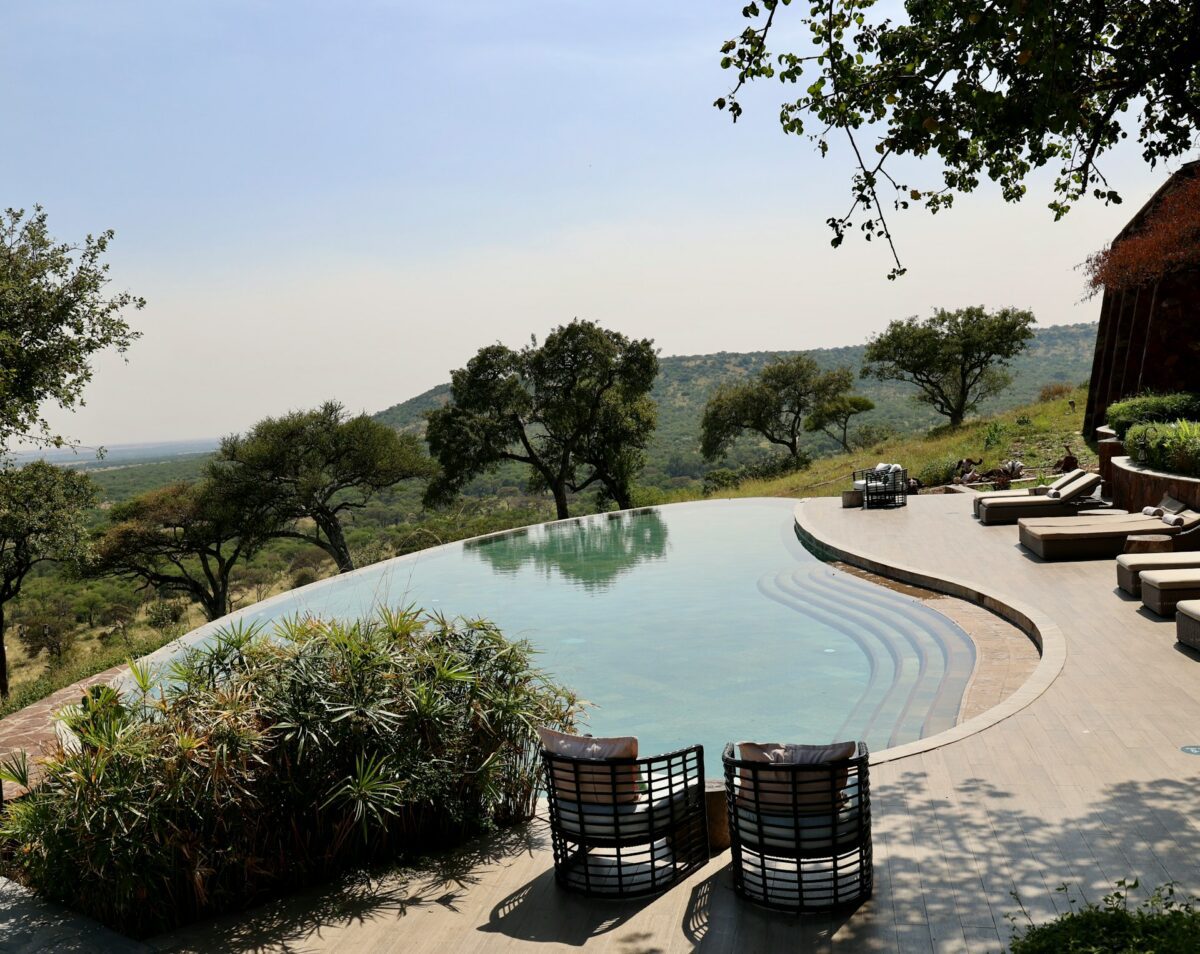
Whether you’re staying at a safari villa or a lodge, choose your safari accommodation carefully and filter for those that have a certificate in sustainability or that, at the very least, can easily explain how they are sustainable.
(Check out this article for information about types of safari accommodation and terminologies).
If you choose a package safari that already includes the accommodation, you can ask the tour operators about this.
Disable geotagging
Disable the geotagging option when posting about your trip on social media. Also, remove the EXIF (exchangeable image file format) data from a photo so that the GPS info is also removed. This will prevent poachers from finding the animals.
Say no to any type of animal interaction
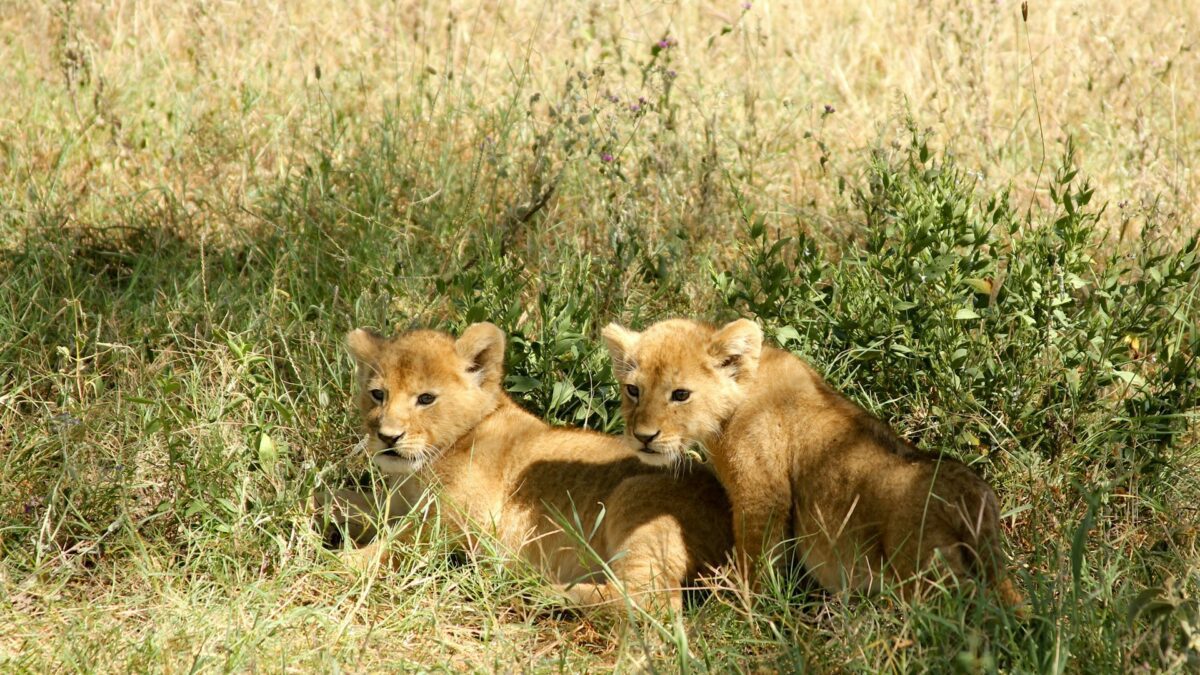
Animal encounters like petting baby lions are appealing because we all love cute baby animals, but these activities are unfortunately not ethical. Many places advertise these as conservation or rehabilitation projects, but in reality, many of these animals are taken from their mothers very young, which is already heartbreaking in itself. Even if they were not taken from their mothers and were perhaps injured or orphaned, wild animals are not meant to interact closely with humans.
These animals will not survive in the wild after being tamed or kept in captivity, and they are likely to be held captive their whole lives, or sold to hunting operations to be killed by wanna-be hunters for bragging rights. A true conservation or rehabilitation-focused organization will never allow visitors to touch and pet wild animals, in any country.
PS: this also applies to hotels that have wild animals like zebras and giraffes “living” on the property and being fed by the hotel guests, and rescued elephants where humans are allowed to pet and bathe them.
Do not feed the animals
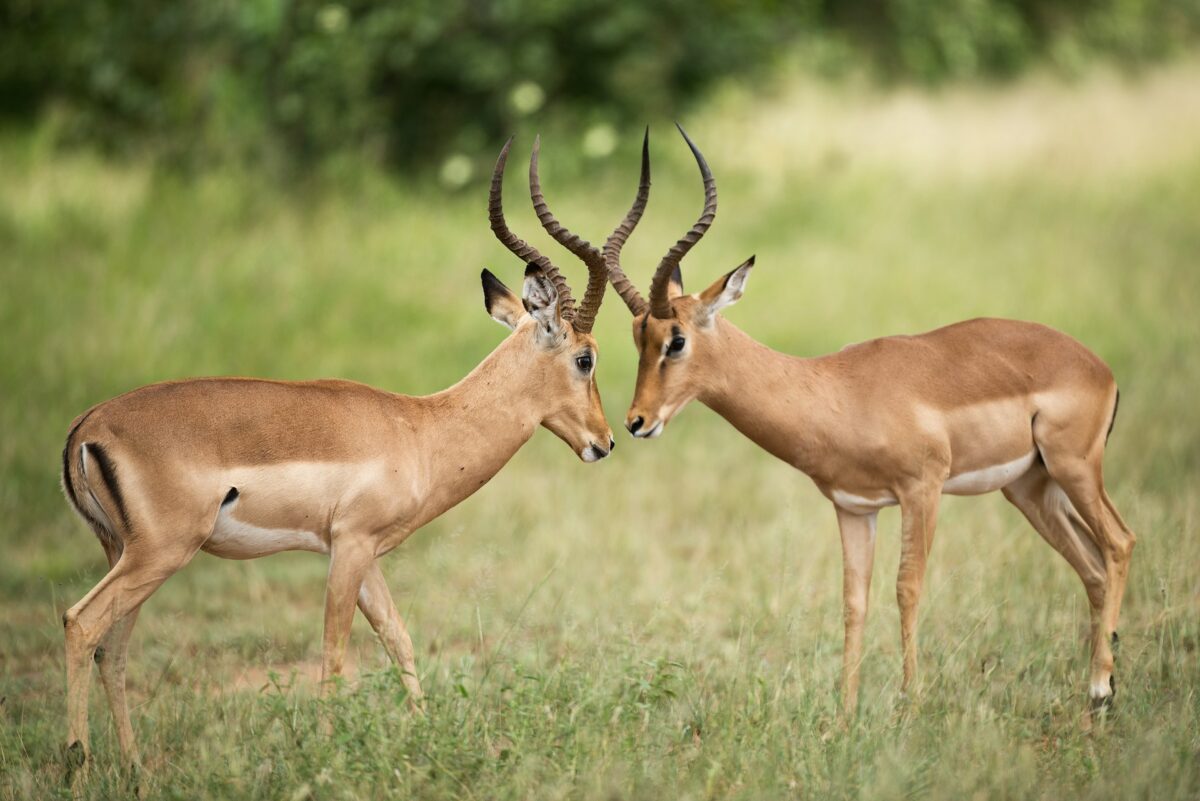
Whether it’s a giraffe, an impala, or a baboon, please do not feed them. On an eco safari, or any safari for that matter, you would never be allowed to feed wildlife.
Feeding wild animals has several consequences:
- Animals become dependent on humans to feed them so they stop hunting for their food, which goes against their natural instinct
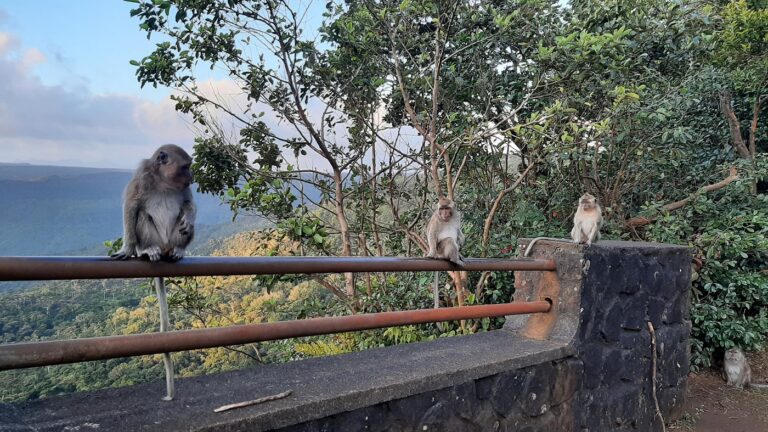
- Some animals like baboons become aggressive when they are not fed by humans. If they do snatch up your food on their own, just let them and back off slowly instead of trying to get it back
- Some food we give them can be harmful to them
Never go off-trail
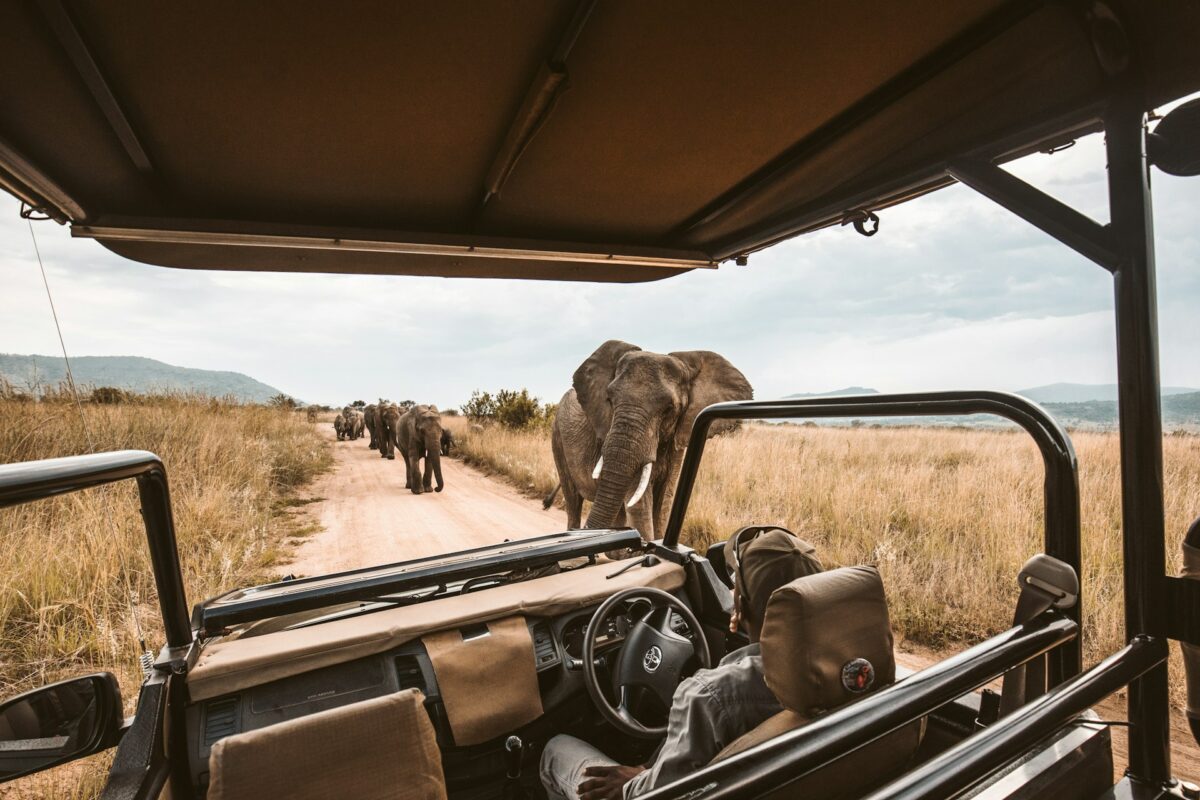
Whether you’re doing a self-drive safari, or on a 4×4 jeep game drive with a guide, or even if you’re bored at your accommodation and want to take a walk, do not ever leave your accommodation or vehicle to wander off on your own. You will not only be endangering your own life, but you will also be trespassing into the animals’ territory, which can cause them to become aggressive or anxious.
Either way, make sure you get travel insurance. Safety Wing is my go-to travel insurance as they have good rates and even cover your electronics.
Avoid wearing anything with too many chemicals
Sunscreen is unavoidable but for bug repellent use a natural one made with organic and natural ingredients, such as those made with citronella, eucalyptus, etc. The harsh chemicals are harmful to the environment. There’s also no need to wear perfume on a safari, though definitely wear deodorant (avoid the spray ones – roll-on is best).
Wear the right clothes
Certain colours can frighten wildlife, so it’s important to wear the right colours on a safari. More on what to wear and what to avoid on a safari here.
Photography and filming etiquette
- Don’t use flash photography. Turn off your flash as this can affect the animals’ vision
- Don’t shine light directly on the animals when photographing them at night
- Turn your equipment on silent mode (whether it’s a phone or a camera’s shutter noise)
- Don’t make noises or movements to get reactions from animals so that you get a better photo (e.g. clapping at birds so they spread their wings and fly off)
- If you’re visiting cultural villages and meeting local people, ask permission first before taking photos. Also, ask permission before you post and share those photos. Never post photos of children and people in vulnerable positions, especially without asking
Do not smoke in the wrong place
Do not smoke in the bush or in non-designated smoking areas at your accommodation. In places where there’s grassland or savanna, a simple spark can create wildfires rather quickly, destroying the fauna and flora on its path.
Do not take anything from the natural environment
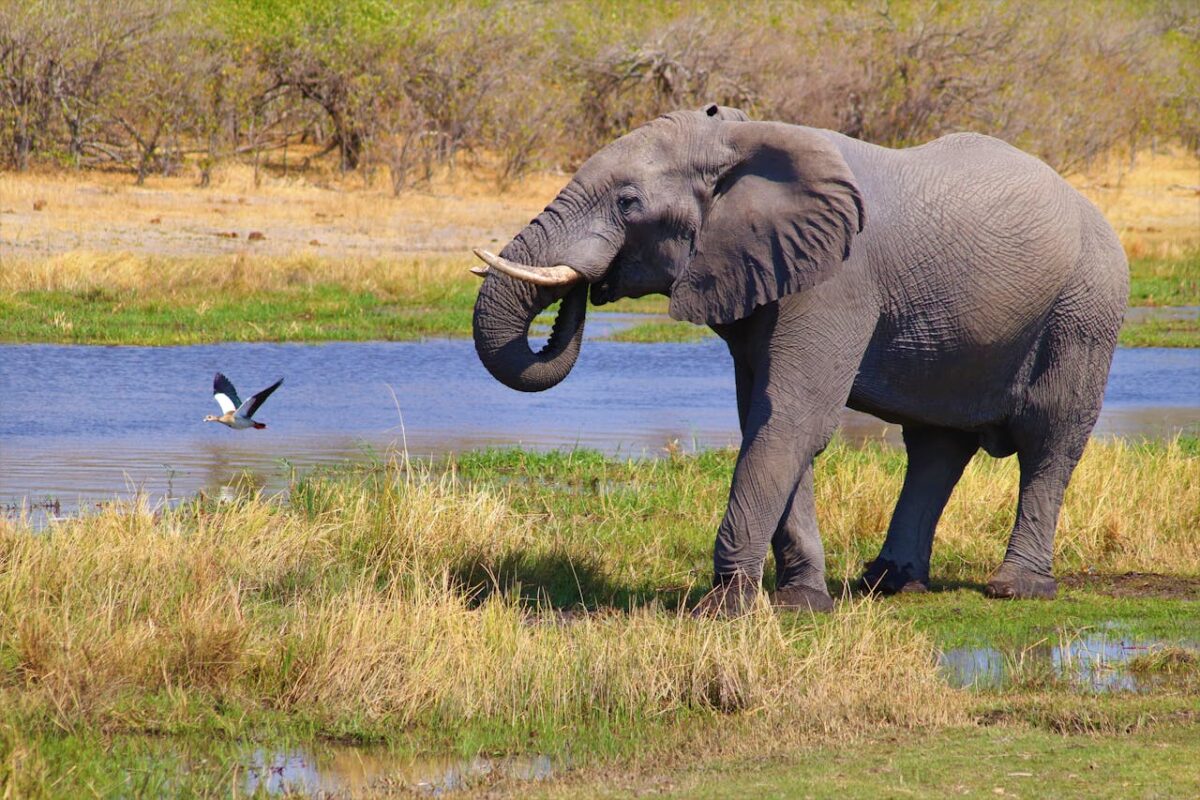
It’s understandable to want to take souvenirs on your trips, but taking rocks, shells, and plants is harmful to the environment. Imagine every tourist and visitor taking something. With millions of people doing the same, that’s incredibly harmful. Plus this is also illegal in most countries.
Do not buy animal-made souvenirs or jewellery
You might encounter art pieces, clothes, or jewellery made of animal parts, such as ivory jewellery made of elephant tusks. While these may look beautiful and make for a nice souvenir, this means that animals are being killed for profit. Do not buy animal products for souvenirs and clothes.
Be wary of participating in the begging culture
You might encounter some areas where people are struggling to make a decent living. As tempting as it is to give something to a begging child, it’s best to donate in more reputable ways to avoid exploitation: volunteer your time, buy supplies through creditable organisations that help local communities, or donate to trustworthy organisations.
Respect the guides and staff
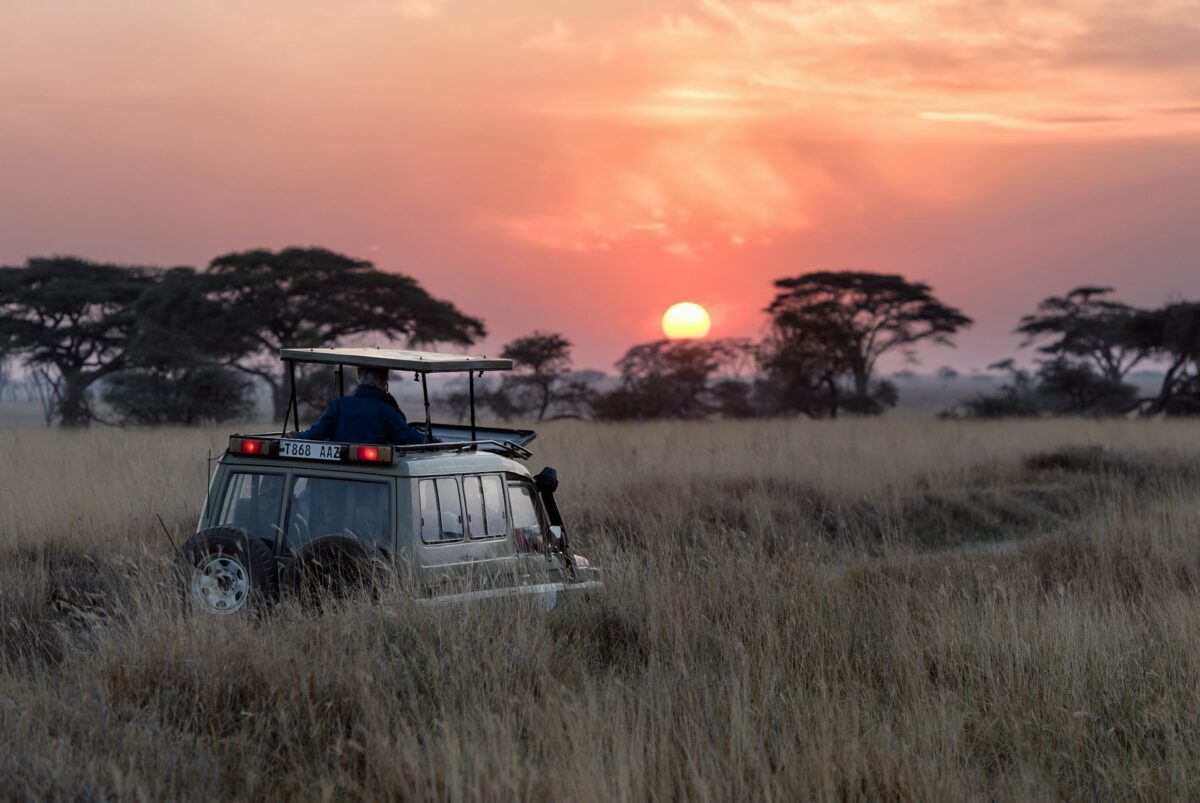
This should go without saying, but please respect the staff at your accommodation, as well as the driver, guides, and park rangers. They work hard in often harsh conditions and deal with all kinds of tourists daily. Plus they are knowledgeable and want to keep you safe while helping to optimise your wildlife experience. Listen to their advice to stay safe.
Final thoughts on doing an eco safari
There are clear regulations and etiquette regarding safaris, and it’s important to respect the ones mentioned above to avoid having a negative impact on the environment, animals, and local communities.