When planning my very first South African safari in Kruger National Park, I spent hours doing research and understanding the terminologies in order to have a better idea about my options. And I’ll be honest, it got overwhelming fast.
So I compiled a list for myself in order to organise my thoughts and better understand the type of safari and accommodation that fit my style and budget. Below is a glossary of the most important safari words and terms you need to know in order to plan your trip easily.
These terms are still important to understand even if you’re going with an organised tour, such as the South African tours by G Adventures. It will be helpful for you to understand what to expect.
PS: Before you go, brush up on the rules and etiquette for a sustainable safari experience.
Safari words and phrases to know before trip planning
Overland
An overland trip is when you travel by land only (instead of by sea or air). It’s similar to a road trip but is usually longer, and with a vehicle that’s more equipped to handle long journeys. One of the most popular overland trips in Southern Africa starts in Cape Town in South Africa, driving through Namibia and Botswana, and ending at Victoria Falls in Zimbabwe.
Game drive
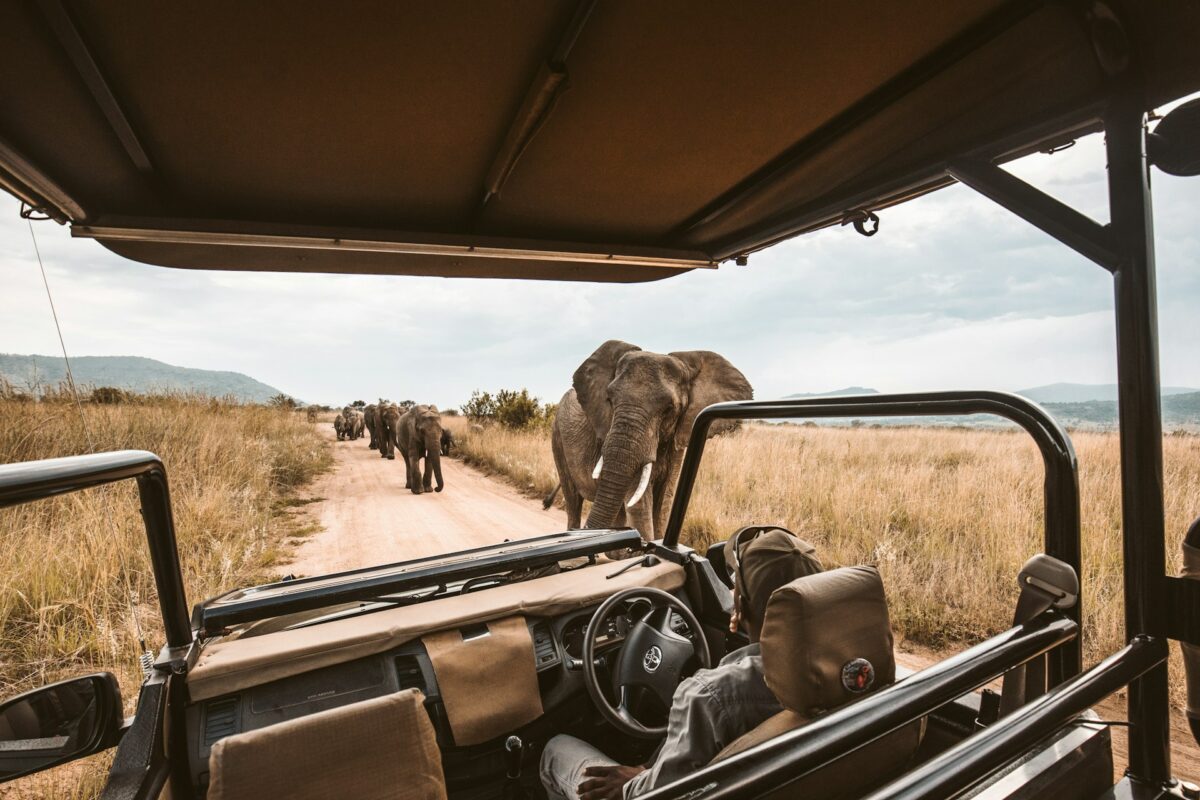
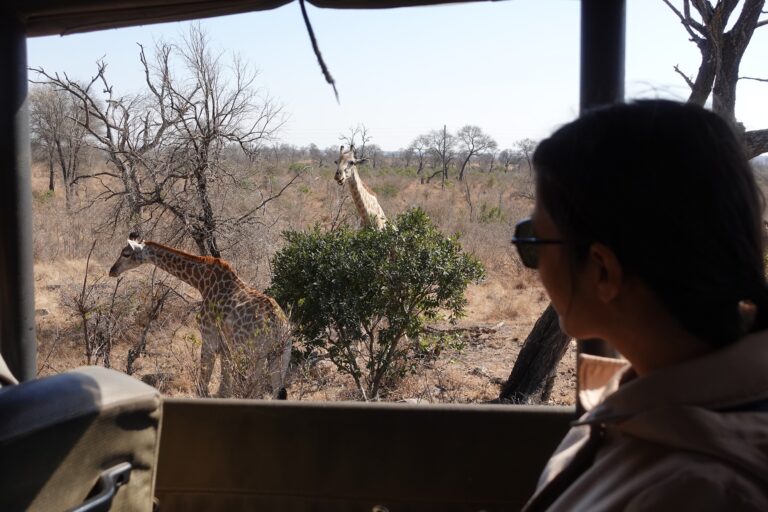
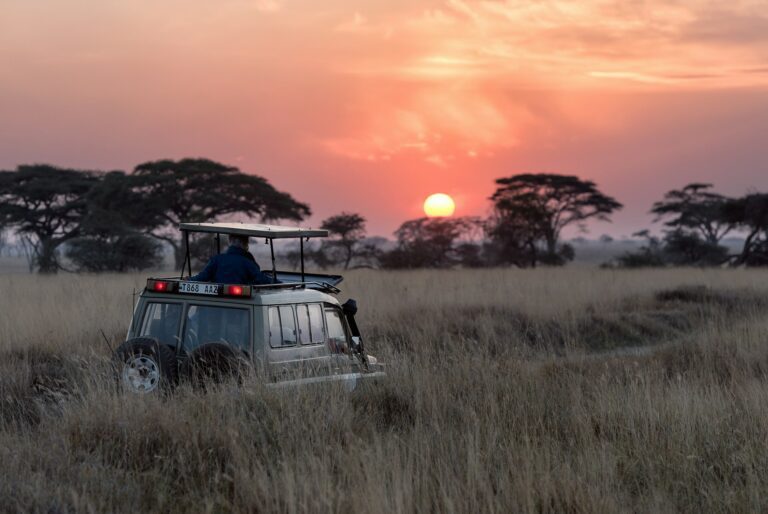
A game drive is a safari experience in an open 4×4 jeep, with a driver who also acts as a guide/game ranger, though sometimes you can have just a driver and an accompanying guide.
Some places like Kruger National Park allow for self-drive safaris, so you can rent a car and do your own self-driving safari, or book a game drive with a knowledgeable guide.
Bush walk
A bush walk implies hiking or walking through the wild bush, not on a specific marked trail. You have to be careful of wild animals around when doing a bush walk, although you will always be accompanied by an experienced guide. A bush walk does not usually last longer than a few hours, after which you return to your base accommodation.
Sundowner
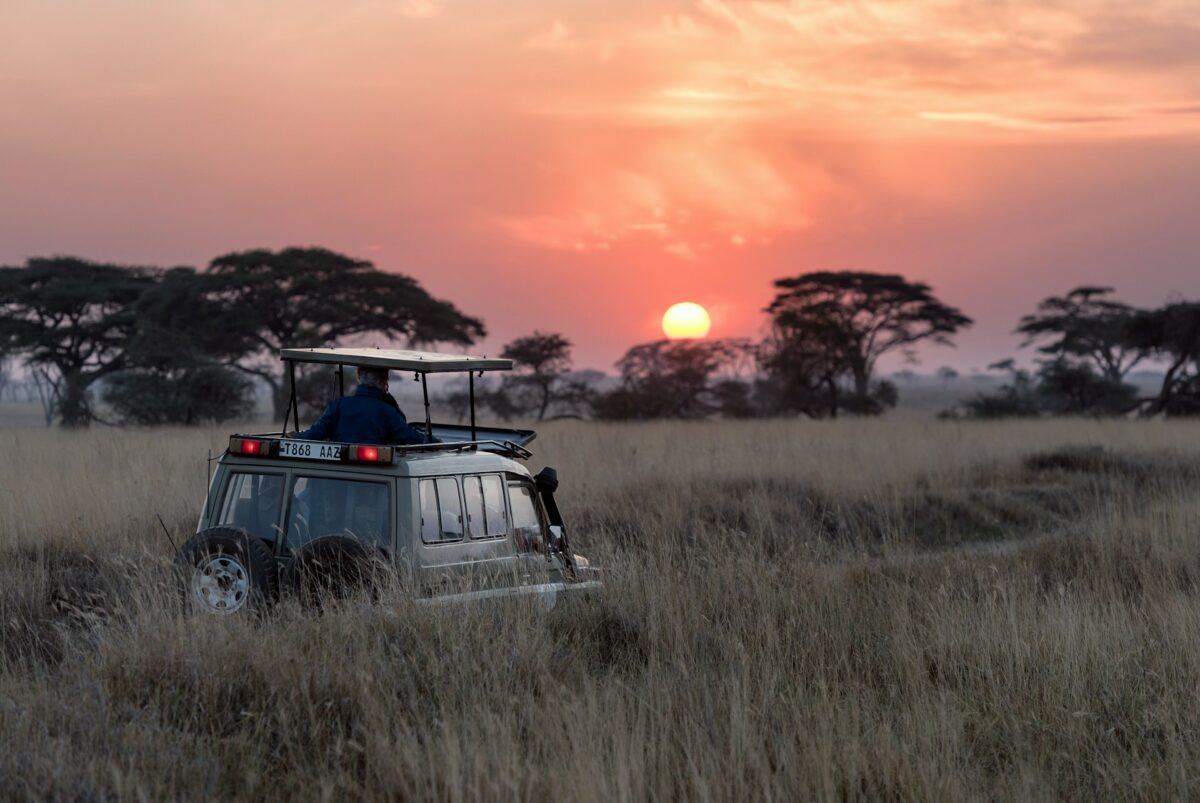
Having a drink and some snacks while on a safari game drive at sunset.
Savanna
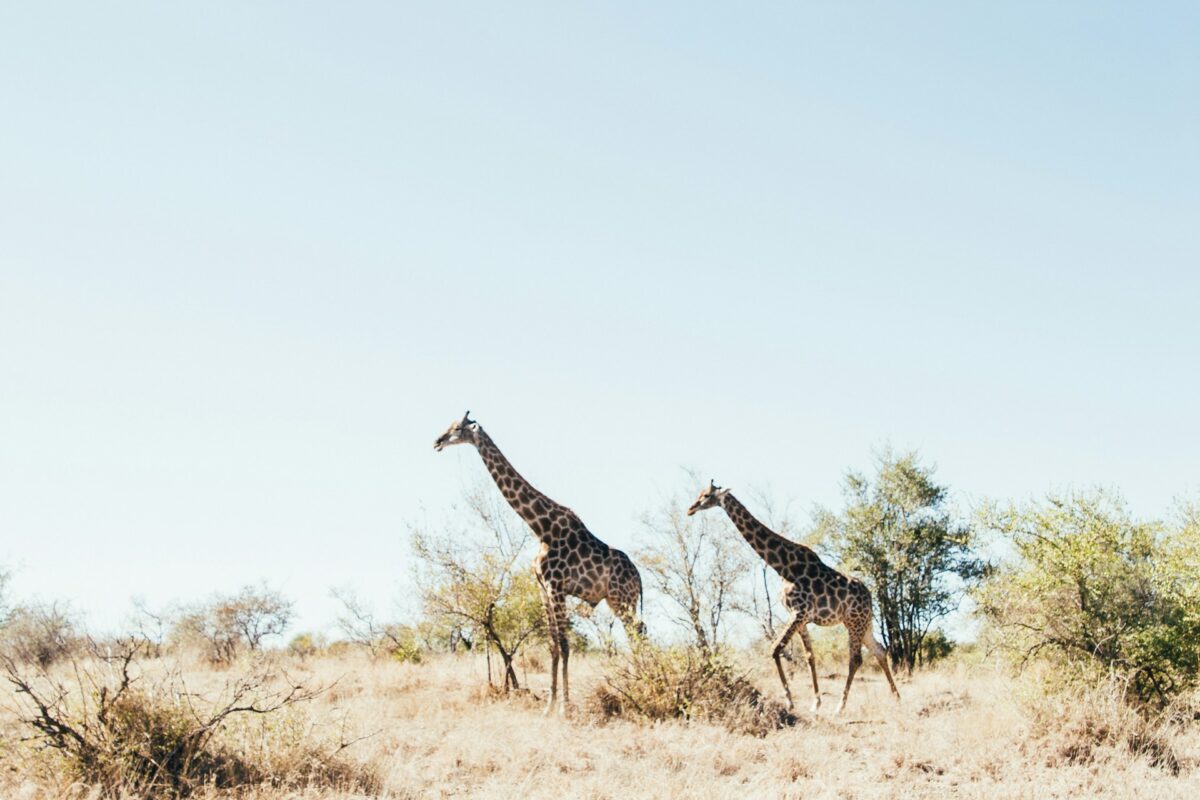
A savanna is a term commonly used in Africa, home to the largest savannas in the world (savannas are also found in Australia, South America, and some parts of Southeast Asia). A savanna is a flat, dry area with trees that are far from each other, leaving the space open to getting a lot of sunlight. Savannas are usually found in countries close to the equator, and do experience a wet season with a lot of rain.
Safari trail
A safari trail is the same as a walking safari or trekking safari. On a safari trail, you explore areas where big game animals such as rhinos or elephants are present on foot. You will be led by experienced game rangers who share their knowledge about the area during the trek. A safari trail can last for days.
Boat safari
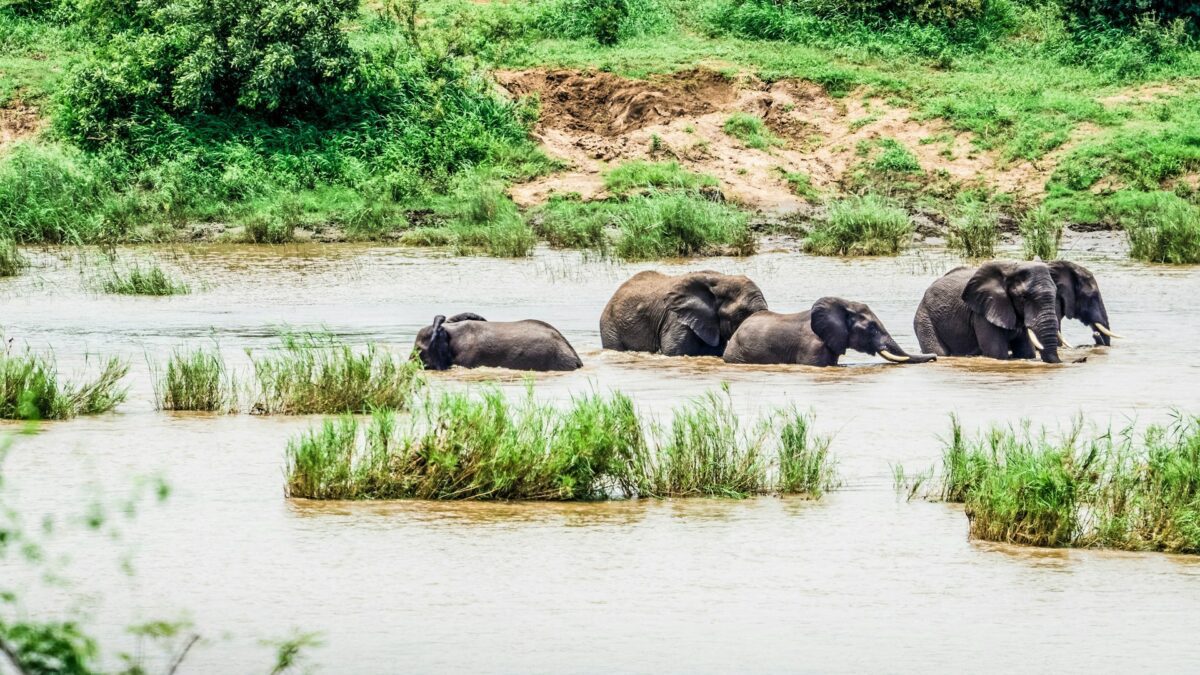
A boat safari involves gliding along a river on a boat to observe animals such as elephants, buffalos, crocodiles, hippos, and birds. Boat safaris are usually done at sunset or sunrise and are popular in Botswana’s Chobe National Park.
Fly-in safari
A fly-in safari is when you use a small plane to transfer between different locations in a large game reserve or national park, in order to save on time.
Balloon safari
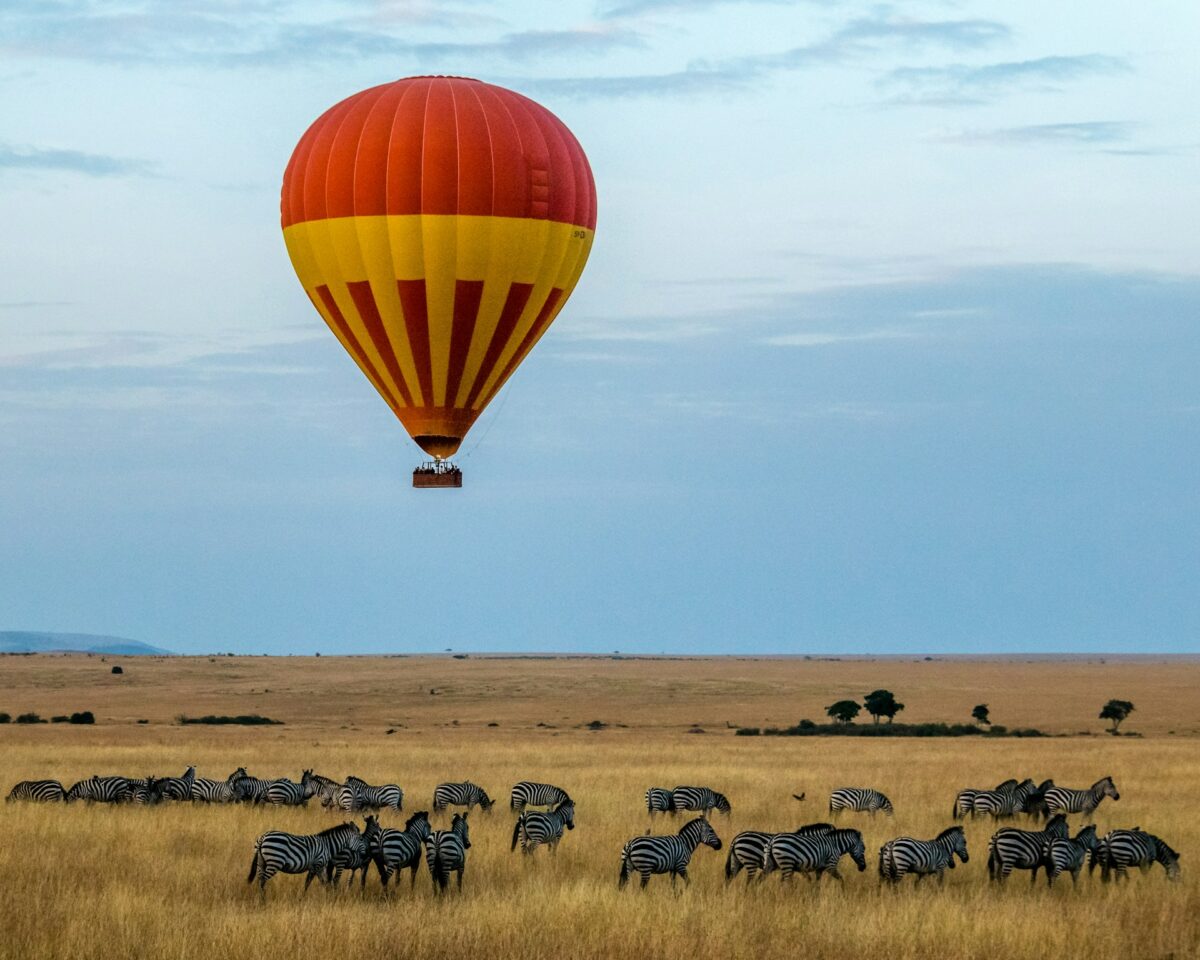
A balloon safari is when you float over a game reserve or national park in a hot-air balloon, gaining a different perspective of the savanna and seeing the wildlife from above.
Big 5
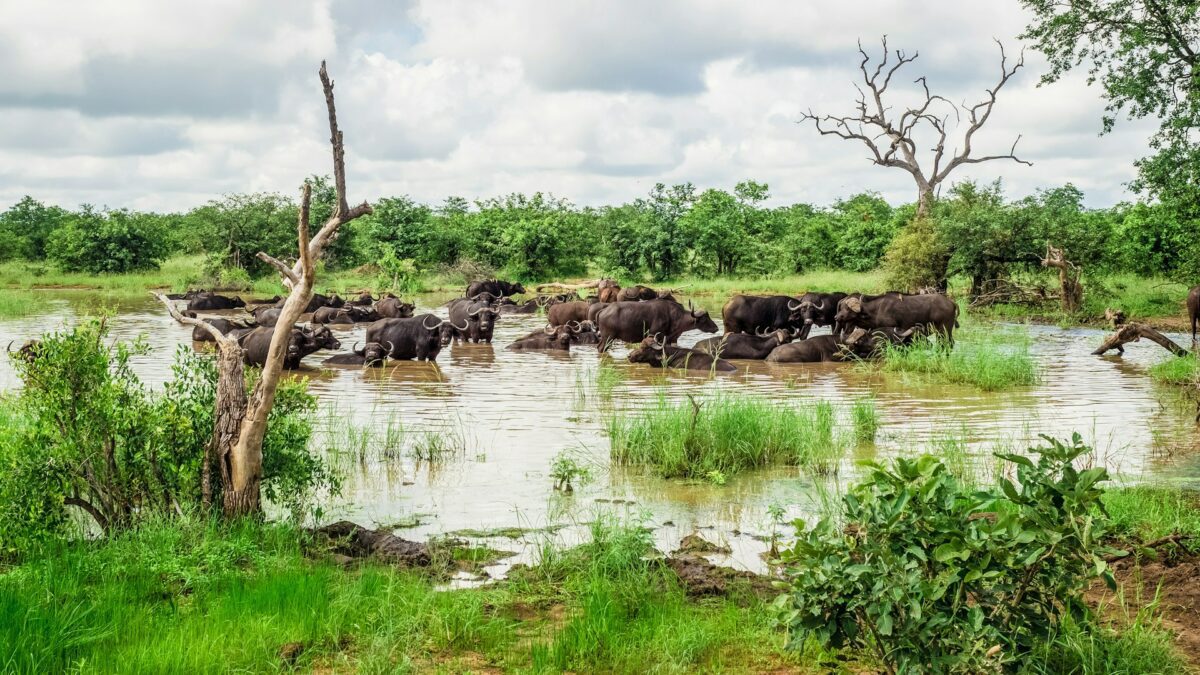
In African countries, the Big 5 means elephants, rhinos, lions, African buffalos, and leopards. This term was invented by hunters, referring not to the animals’ size but to them being the most difficult and dangerous animals to hunt on foot. This term is now used by safari tour operators, so when you hear “you can see the Big 5 at Kruger National Park”, it means that Kruger is home to all these animals.
Small 5
The “small 5” refer to these small animals: the elephant shrew, ant lion, rhinoceros beetle, buffalo weaver, and the leopard tortoise.
Game reserve vs national park
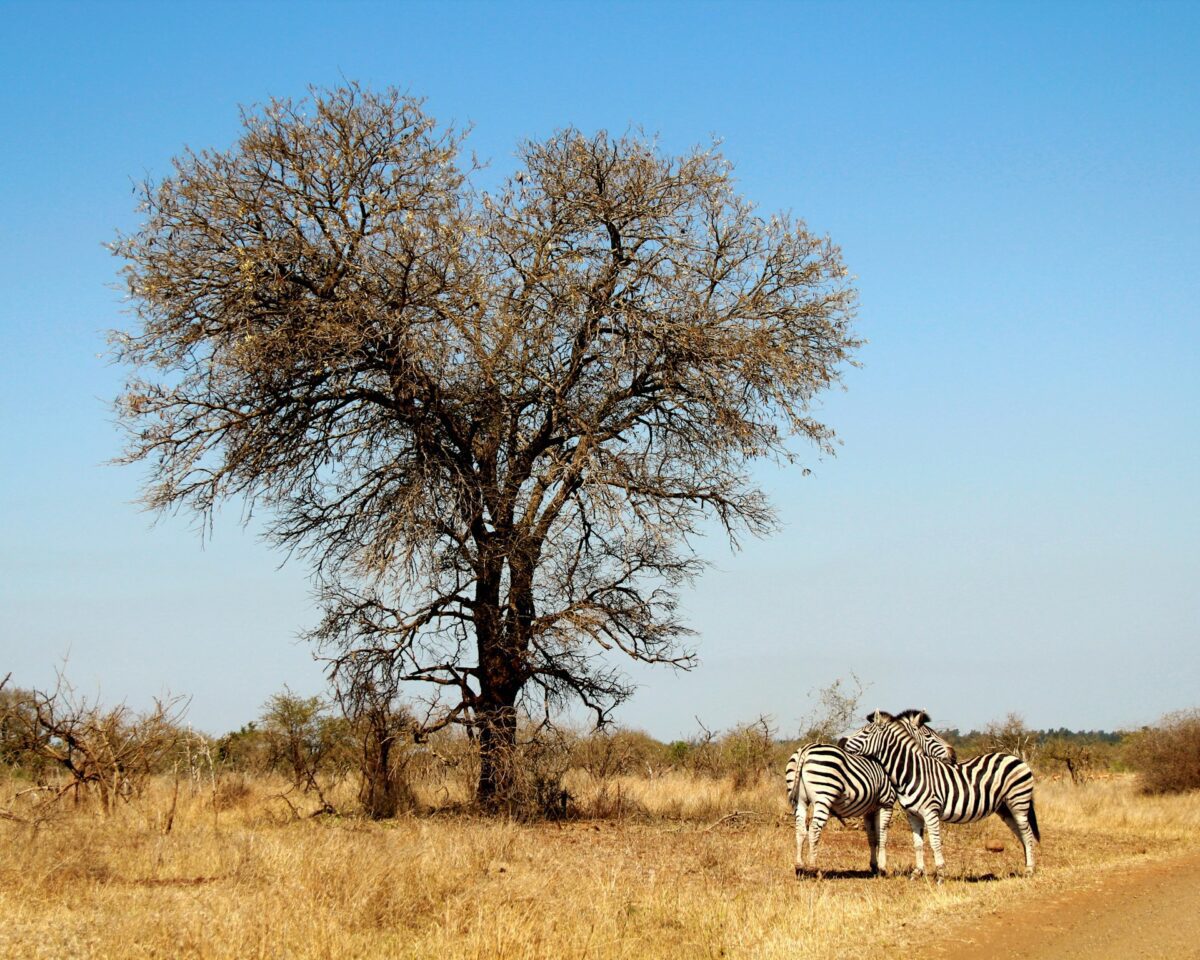
A national park is managed by the government, whereas a game reserve is private and managed by the owners. Game reserves are generally quite big, allowing animals plenty of space to move freely within the limits of the property. Most of the Kruger ones have taken down their fences, so the wildlife is completely free to roam between the private reserves and the national park.
Game reserves are generally more expensive and exclusive, but not always. That depends on the type of accommodation you will be staying at.
Accommodation: what do these safari terms mean?
There are so many options to choose from when looking at accommodations on a game reserve or in a national park, and it can get confusing, so let’s review.
Safari camps
Safari camps are permanent tented accommodation, made either of canvas tents, or solid structures like a roof but with canva material as walls and doors. It is possible to have ensuite rooms (aka private bathroom attached to the room) in safari camps.
Safari camps are often smaller than lodges, and are often off the grid, but can have amenities like air conditioning or a fan, an onsite restaurant, and a swimming pool.
Seasonal safari camps or bush camps
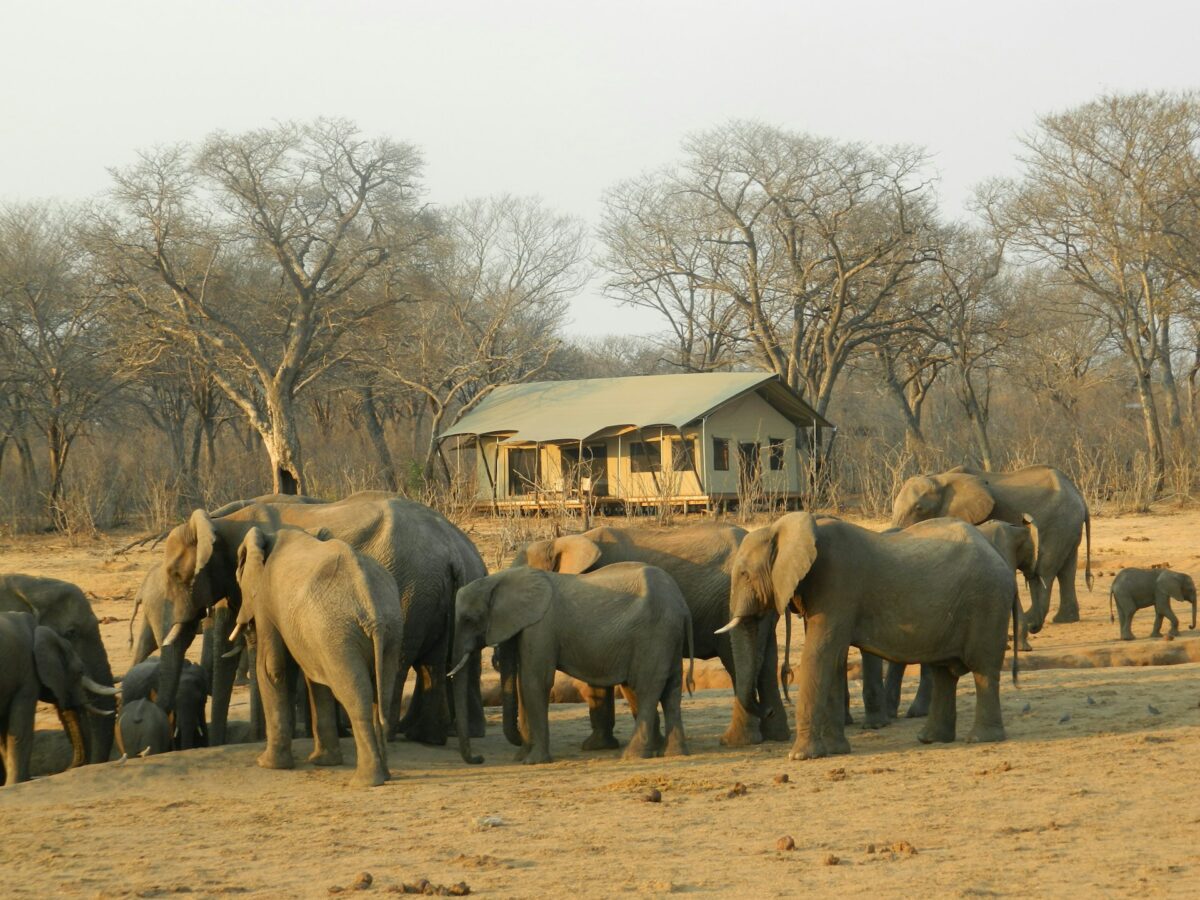
Seasonal safari camps are sometimes referred to as bush camps. They are safari camps that only operate during certain times of the year, usually due to weather conditions or lack of wildlife activity. They are either taken apart completely when not in operation to later be rebuilt, or simply stay closed.
Seasonal safari camps still have amenities like a flushable toilet and usually an outdoor shower.
Mobile tented camp
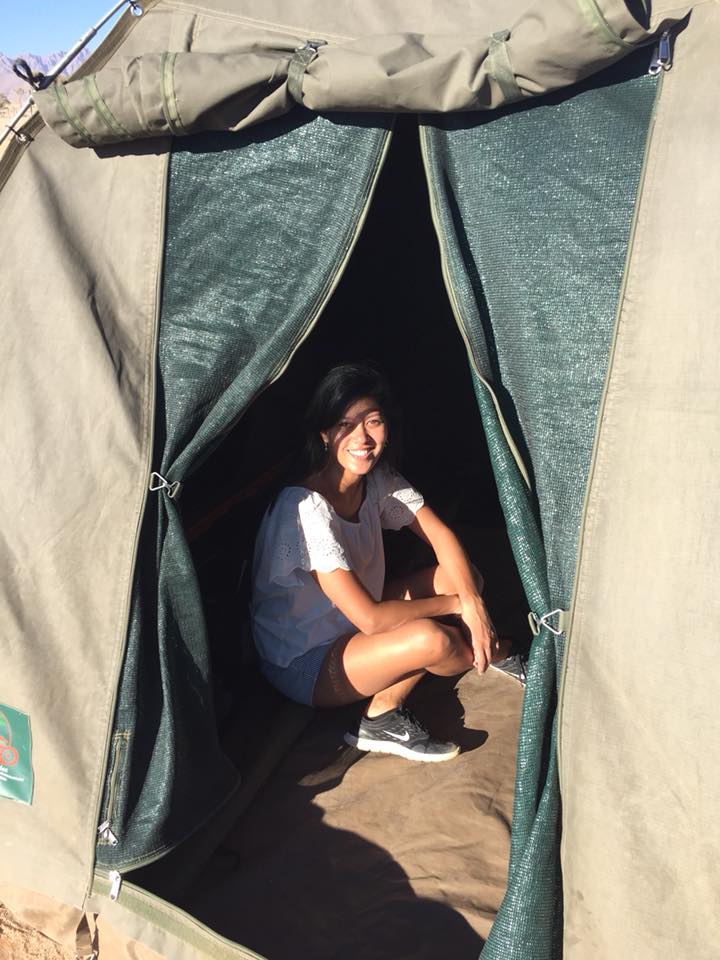
Different from safari camps that have permanent structures, mobile tented camps are not permanent and are only set up for a few days while the safari people need it, and packed up to go with the safari goers when they move on to their next stop.
Mobile tented camps don’t have amenities such as swimming pools, wifi, air conditioning, or restaurants, but the tents are usually set up in camp spaces where you will have shared bathrooms. Meals are cooked over open fires.
Lodge
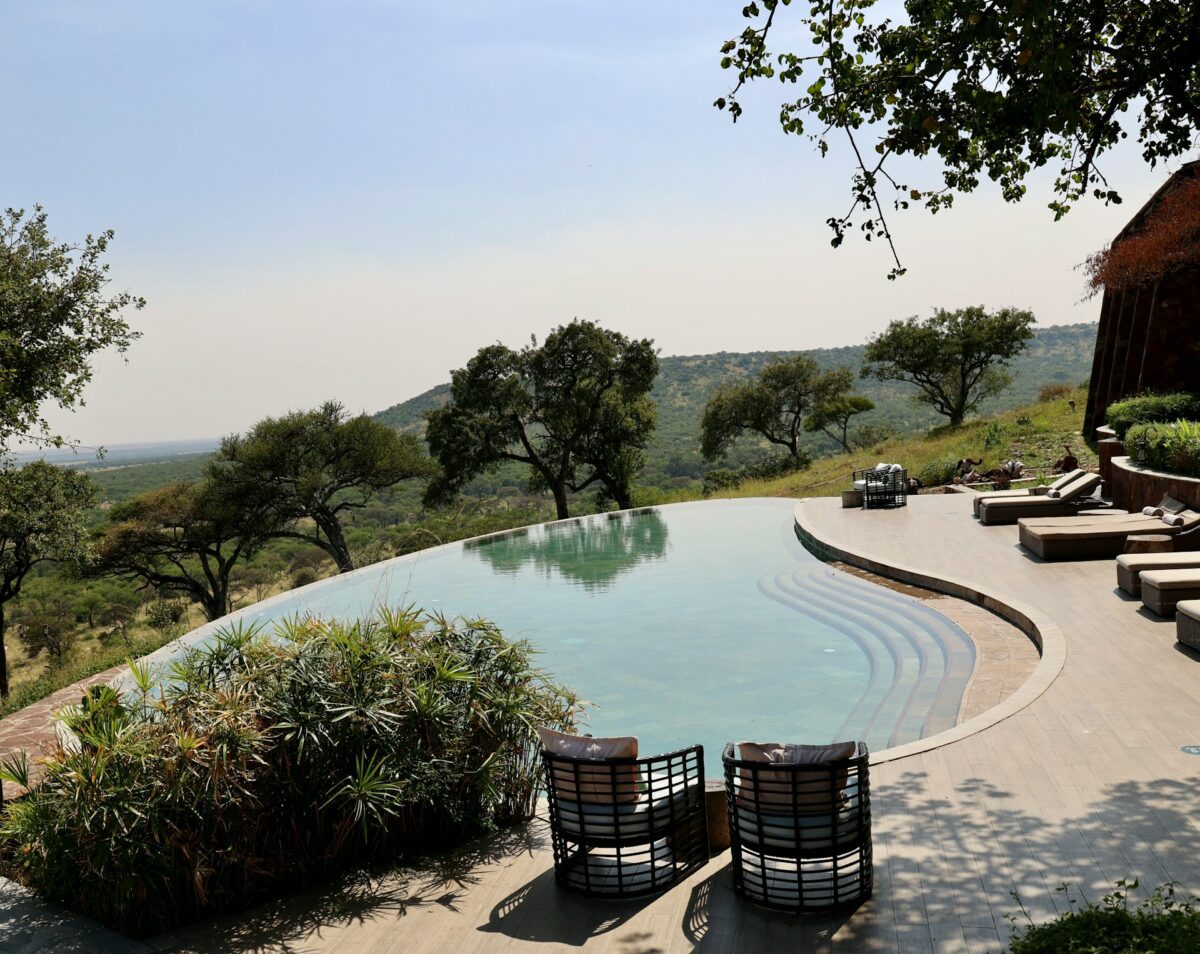
A lodge safari is a permanent structure made of brick walls and natural materials and is bigger than a safari tent. There are lodges for every budget range: budget, midrange, upmarket, and luxury.
Lodges are often off the grid like safari camps, and usually have air conditioning, a swimming pool, and a restaurant on site.
Safari villa
A villa is an exclusive, luxury type of accommodation in national parks and private game reserves. They tend to come with private swimming pools, personalised and customised safari game drives, and personal staff for any of your needs, including guides, butlers, and babysitting.
Fly camp
This is for the truly adventurous who likes to rough it and be completely one with nature. Fly camps are off-the-grid experiences with a simple canvas tent for accommodation or a mosquito net with a sleeping bag. There are no toilet facilities or bathrooms, and meals are simple and cooked over open fires. The purpose of this is to have a unique experience and a zero-carbon footprint on your safari.
Final thoughts on the most important safari words you need to know
This is by no means an exhaustive list – in fact, I just came across the term “khaki fever” which means developing an attraction to a person dressed in khakis. Apparently, that’s a thing that happens on safaris. However, the list above contains the most important safari words you need to know when planning your trip, especially if it’s your first trip and you don’t know where to begin.