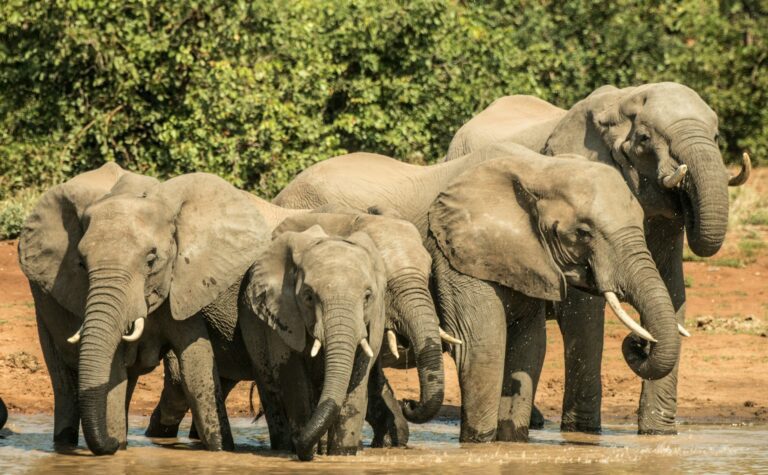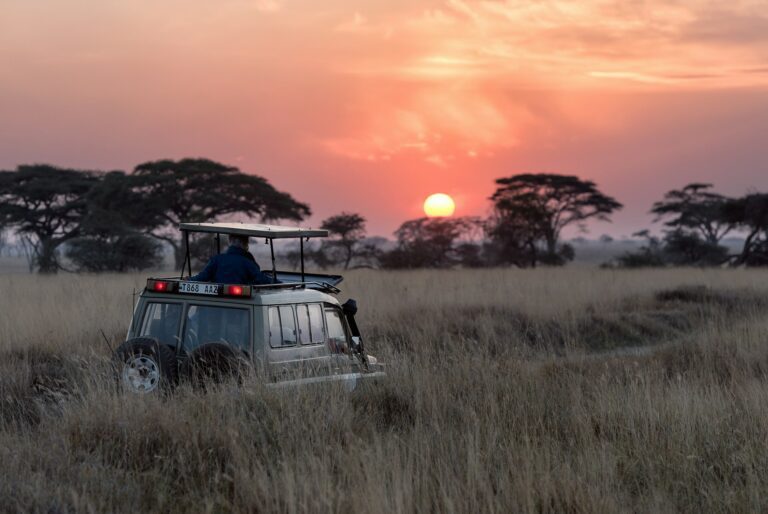
Have you ever seen professional or marketing photos of people on safaris? You probably saw most of them wearing beige or khaki outfits, and it’s unlikely that you saw anyone wearing bright red or yellow colours.
There’s a reason for that: going on a safari means following certain rules and etiquette in order to not disturb the animals and the environment, and this includes wearing the right colours and avoiding certain things. It’s also for your own good (for instance, wearing black will attract mosquitoes and flies).
Below is a complete list of what to wear on a safari and what to avoid, based on my own experiences on my safari in Kruger National Park, South Africa.
How to pack for a safari
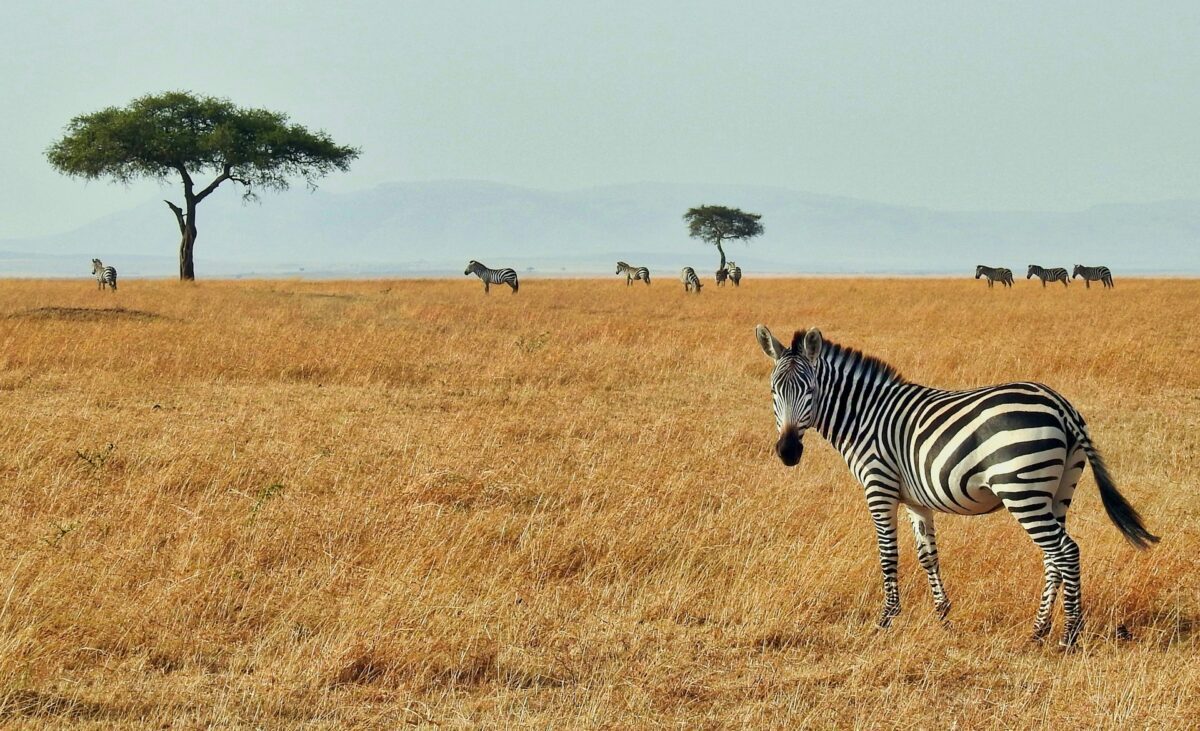
First, when going on a safari, you should pack light, even if it’s not a backpacking trip, and even if you are staying in a spacious villa or rented your own private car. Packing light not only makes it easier for you to navigate your space, but it’s also better for the environment – lighter luggage means less carbon emissions for the plane. And if you’re taking a small plane into the national park for your safari, there will be weight limits anyway.
1. Clothes
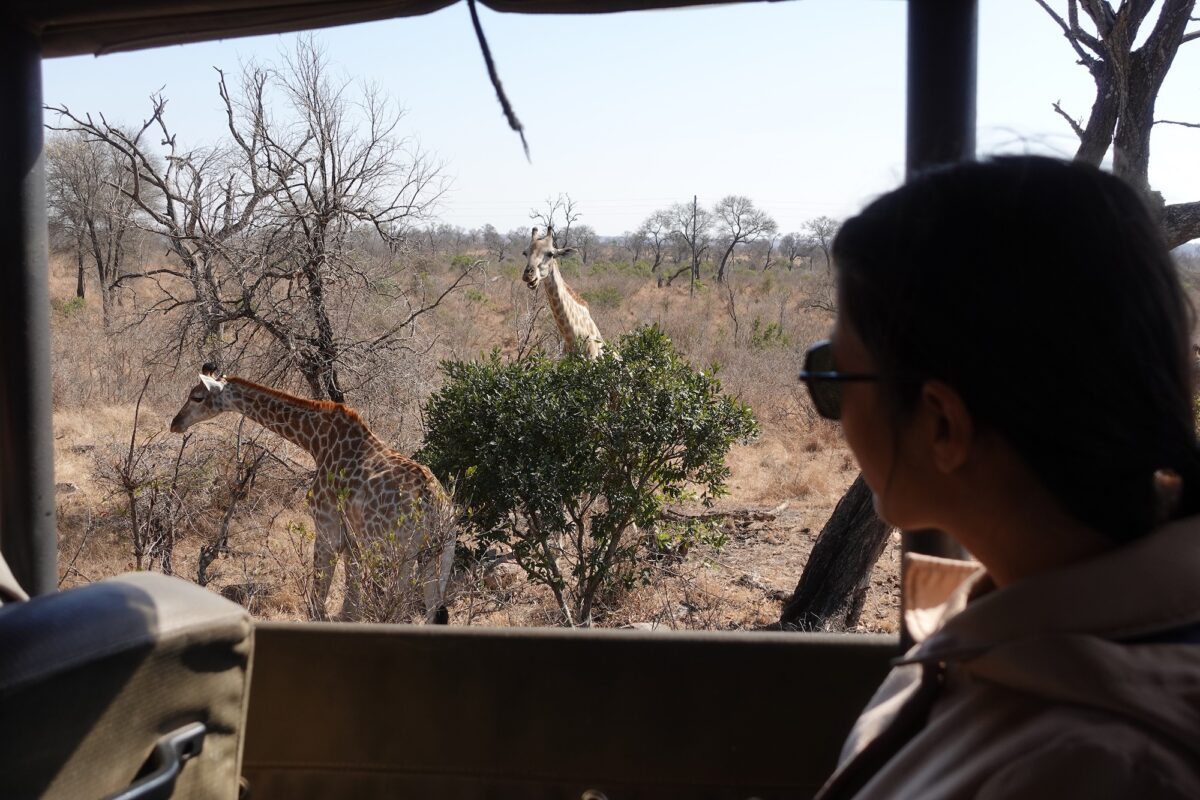
Bring enough clothes to last the number of days you will be on your safari. For instance, if you’re doing a 3-day safari trip, make sure you have 3 days worth of underwear, socks, and outfits, because it’s unlikely that you will have laundry services, unless it’s an exclusive villa accommodation.
- Colours
- Wear earthy tones like beige, green, brown, khaki, grey
- Avoid black because it attracts heat and mosquitoes and Tsetse flies
- Avoid bright colours like red because it can frighten animals
- Avoid white because it makes you more visible to the animals.
- Wear clothes that are made of linen and cotton, otherwise, you will be very uncomfortable when it’s warm
- Bring layers: tank tops, light t-shirts, and light long-sleeved tops and pants for mornings and evenings when it’s cooler. This is still relevant for summertime for the bugs and strong sun
- For sun protection bring sunglasses and a hat, even in winter
- Shorts and light T-shirts for the daytime especially during summer, but even in the winter as it still warms up during the day in most, if not all, African countries where you can do safaris
- Bathing suit: unless you’re doing mobile tented camps or fly camps (explanations on these safari terms here), there is a chance you will have a swimming pool at the accommodation, and in the summer you will be glad to have one
- Waterproof jacket/light winter jacket/windbreaker for early morning sunrise and night drives, particularly in winter
- If you’re doing a safari in conservative or Muslim countries like Tanzania, remember to dress appropriately (swimming suits are only allowed on the beach)
- Avoid anything with patterns. Wear plain clothes
- Don’t wear camouflage clothing – this is illegal in many African countries as camouflage clothing is usually reserved for military personnel
2. Shoes
For the safari, you will need to wear closed-toe shoes like sneakers. You don’t need hiking boots unless you’re doing a hiking trail. At the accommodation, you can wear sandals and slippers.
3. Medication
- Motion sickness pills or ginger candy in case you tend to get car sick. Some of the game drives can last for hours
- Diarrhea pills just in case, as most safari camps and lodges are off-the-grid with no pharmacy nearby
- Malaria tablets, depending on the places you go
Regardless of how prepared you are, always get travel insurance. My favourite is Safety Wing because they cover a lot (including electronics) and the prices are fair.
4. Sunscreen and bug spray
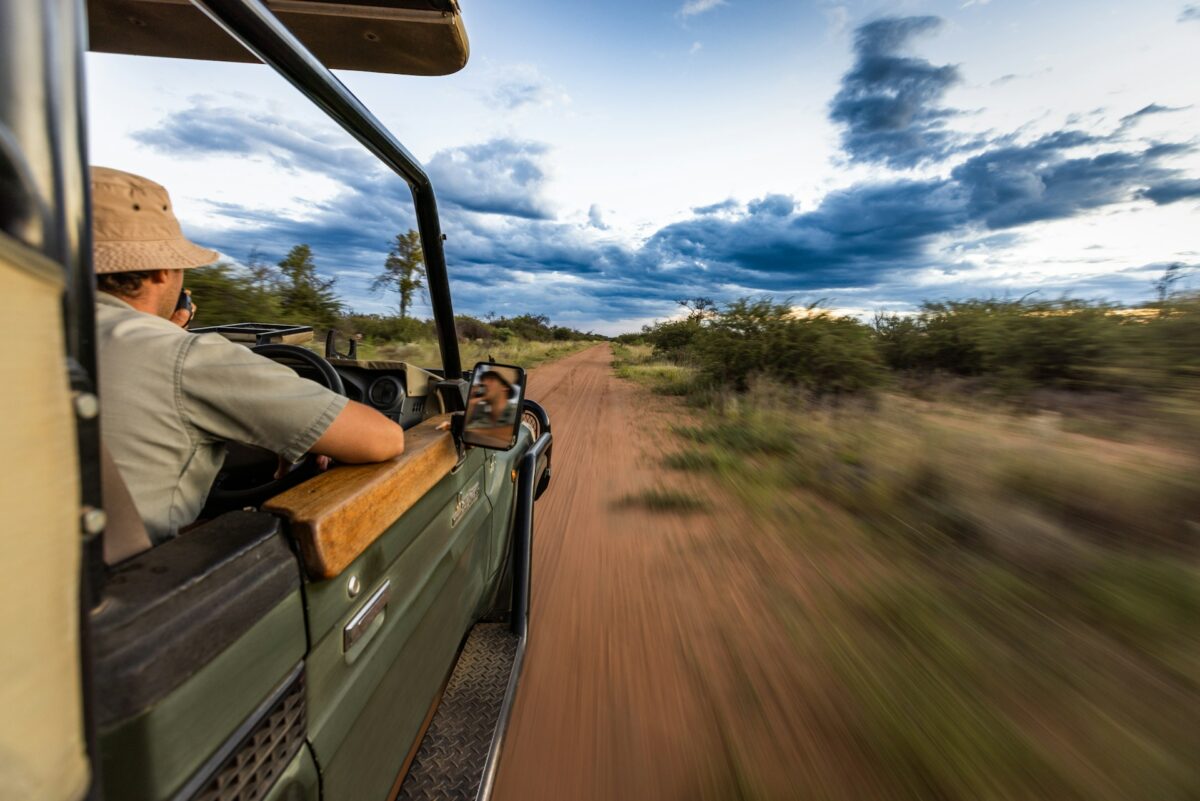
Bring sunscreen and bug spray that are as natural as possible, avoiding those like deet, which are packed with chemicals. For natural bug repellent, you can look for ingredients such as citronella and eucalyptus.
5. Suitcases
It’s better to take a duffel or backpacking bag rather than a hard suitcase, as it’s easier to manage and carry around. However, this is also a personal preference, based on my safari experiences.
6. Equipment
- You can bring large cameras such as DSLR but take photos without flash as this will affect the animals’ visions
- Don’t bring a drone. Most places don’t allow it as it interferes with birds and other flying species
- Always put your equipment on silent mode, even if it’s just the camera shutter noise or your phone
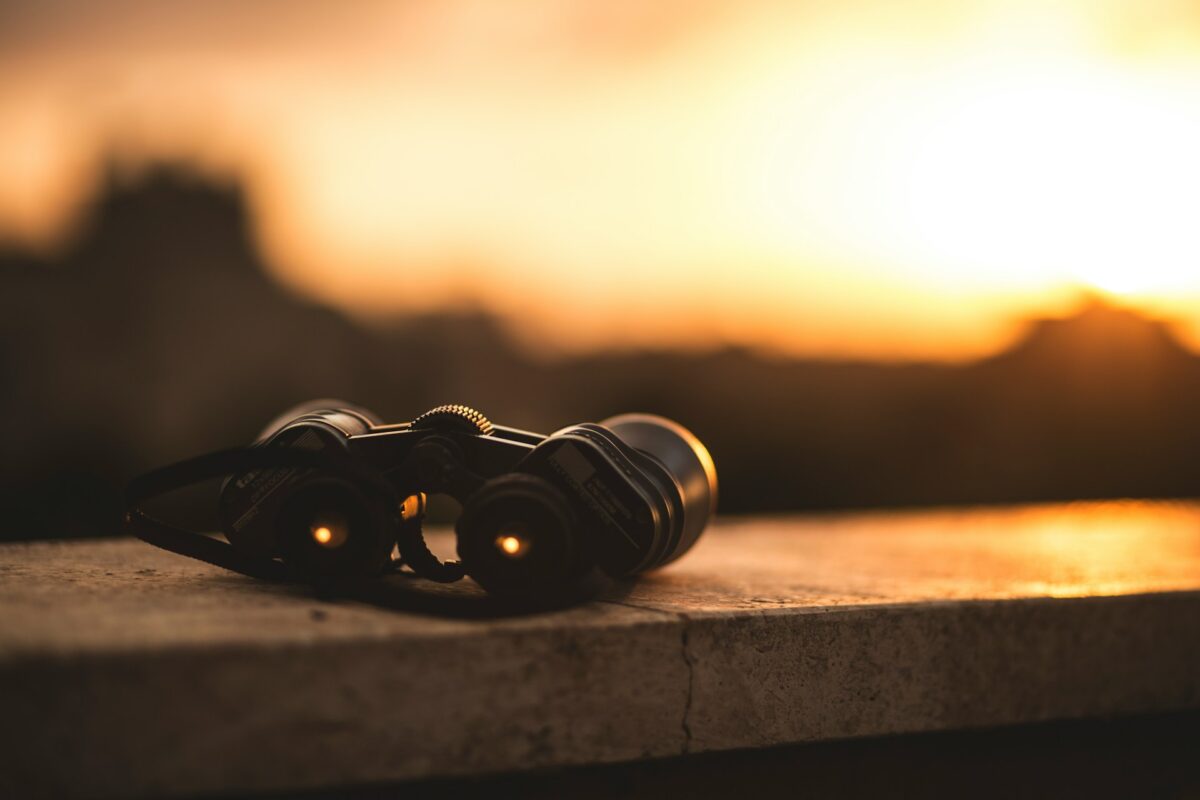
- Bring a binocular. Your accommodation might not have enough for everyone
- Bring portable chargers especially if you’re doing mobile safari camping
More on proper safari etiquette here.
What NOT to wear on a safari
1. Do not wear perfume
While you should still wear deodorant (the roll-ons, not the sprays), avoid wearing anything that smells too strong, such as perfume, especially if you’re doing a bush walk or walking safari.
2. Keep your jewellery at home
Shiny expensive jewellery should be left at home for security reasons.
3. Heels and fancy clothing
Not only will this be completely impractical, but you will never get to wear those on a safari, and it will also just take up extra luggage space. Dress casually and comfortably.
Final thoughts on what to wear on a safari
Just like it’s important to follow certain rules and etiquette on a safari, wearing the right clothes and shoes is equally important. Make sure to follow the list above to ensure a good trip for you and everyone else.