After thoroughly researching and planning for my 2-week trip in Iceland, and then actually doing the trip, I decided to put together this list of all the crucial travel tips for Iceland, because there were plenty of things we learned (and mistakes we made) along the way that we did not find in any other travel blog.
Along with fun facts about Iceland, this list also covers budget, what to avoid, general etiquette, and things you maybe won’t find out about until you’re already on the trip.
Note:
- “Best time to visit Iceland” is a separate article because it has a lot of information on seasonal activities, that I just didn’t have space for here.
- Even if you’re doing an organised tour in Iceland with everything planned, these tips below still apply.
Fun facts about Iceland
- Iceland wasn’t part of Pangea, and instead came about from a volcanic eruption 15 million years ago, when the dinosaurs were already gone.
- Iceland is nicknamed the “land of fire and ice” because it has regular volcanic activity (fire) and lots of glaciers (ice).
- Have you ever seen the Icelandic horse?
- Icelandic horses are unique to Iceland and have preserved their pure breed and genetic composition because of the strict laws preventing other horses from entering Iceland
- It’s small and friendly, and has 5 gaits instead of 4. It’s fun for horse riding because it’s more comfortable.
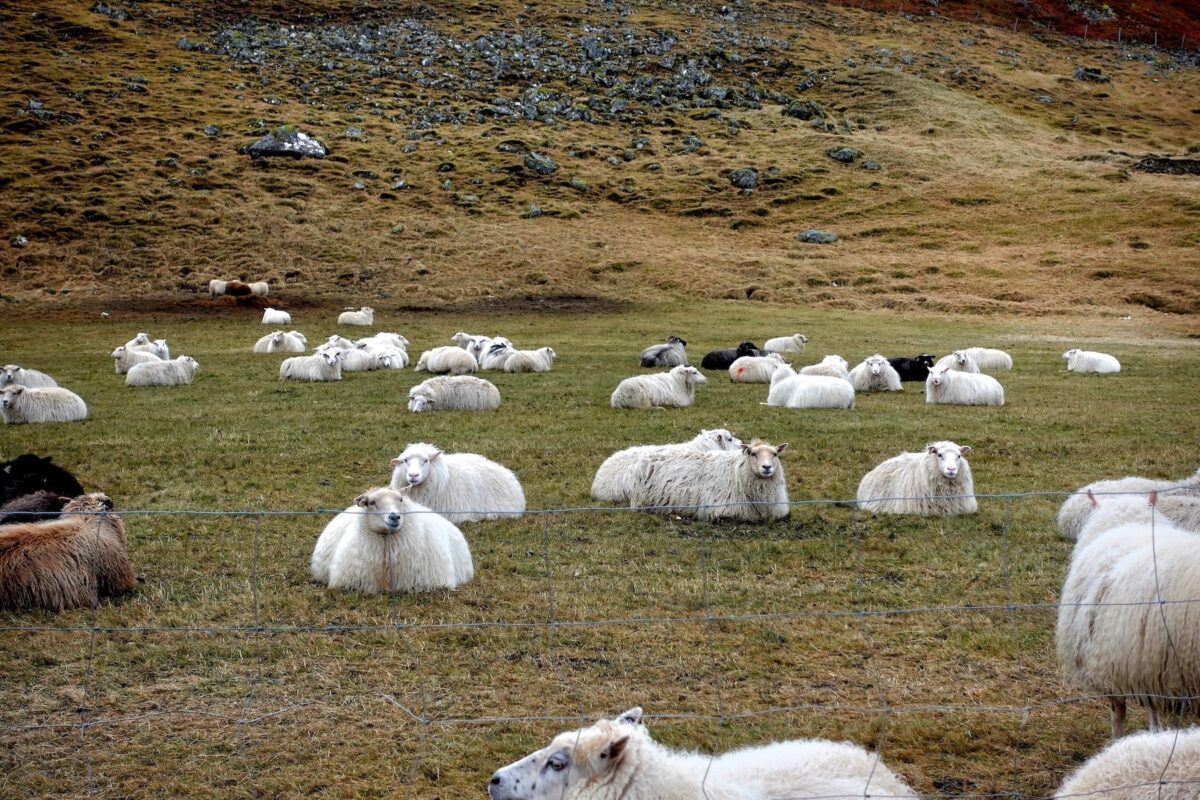
- Icelandic sheep are also pure breeds unique to Iceland, and just like their horses, it’s illegal to import other sheep into Iceland. The sheep are fluffy and famous for their dual-coated wool, and have evolved genetically to survive in Iceland’s harsh climate.
- Iceland was uninhabited until the Vikings arrived and settled there, though there is some evidence of Irish monks living in Iceland and departing before the Vikings arrived.
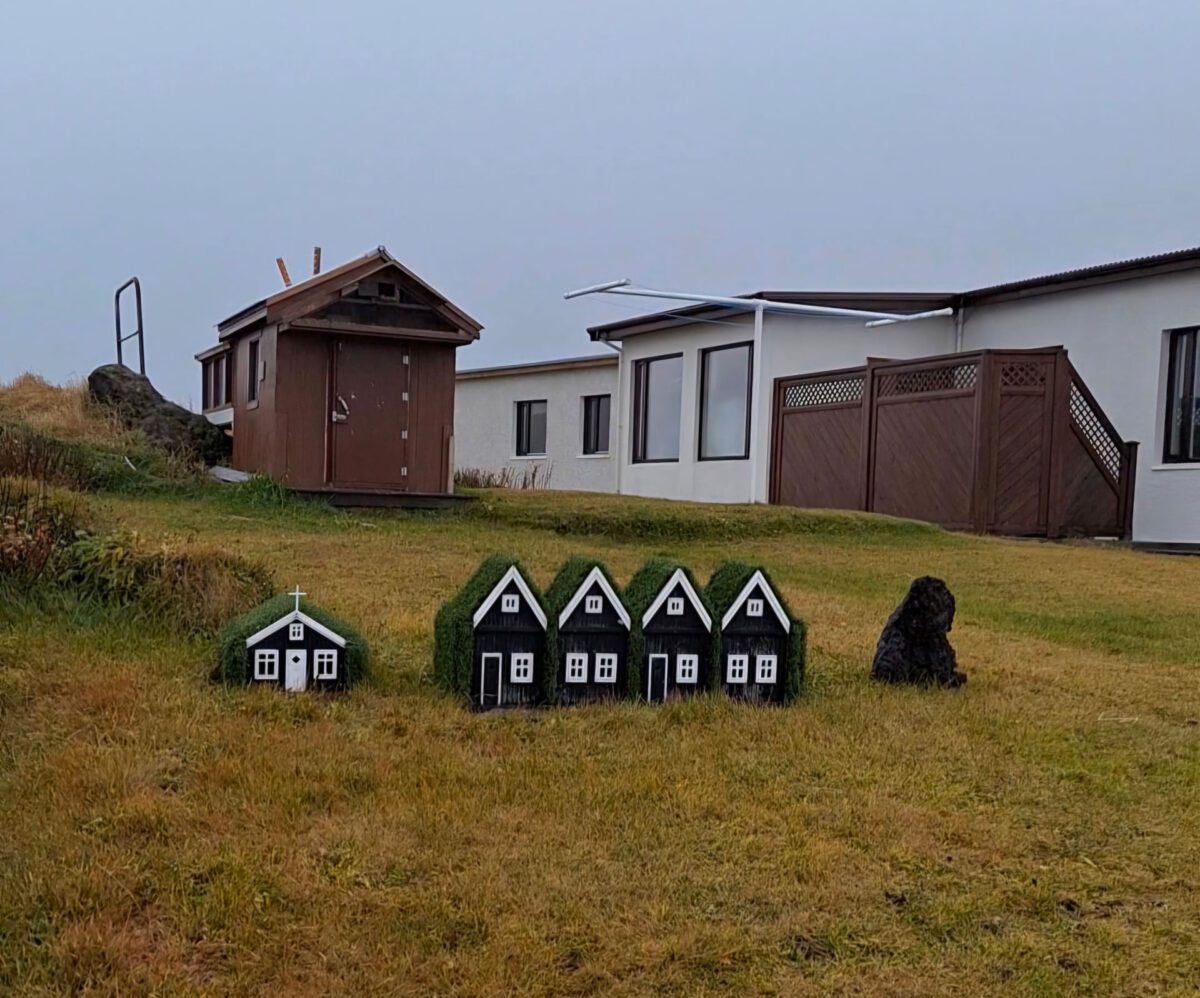
- Elves and trolls are a big part of Icelandic mythology. Elves are thought to have supernatural powers and are respected, while trolls are thought to be big and not very bright, but also kind. You might spot little elf houses that people build in their yards next to their human-sized houses.
- Small volcanic eruptions are called tourist eruptions because anyone can still go see them and there’s no need for evacuation.
- You will see the word “foss” in many Icelandic attractions because foss means waterfalls.
- There are supposedly over 10,000 waterfalls in Iceland. The abundance of waterfalls is due to rain, snow, and glaciers.
Things to know about Iceland that no one tells you
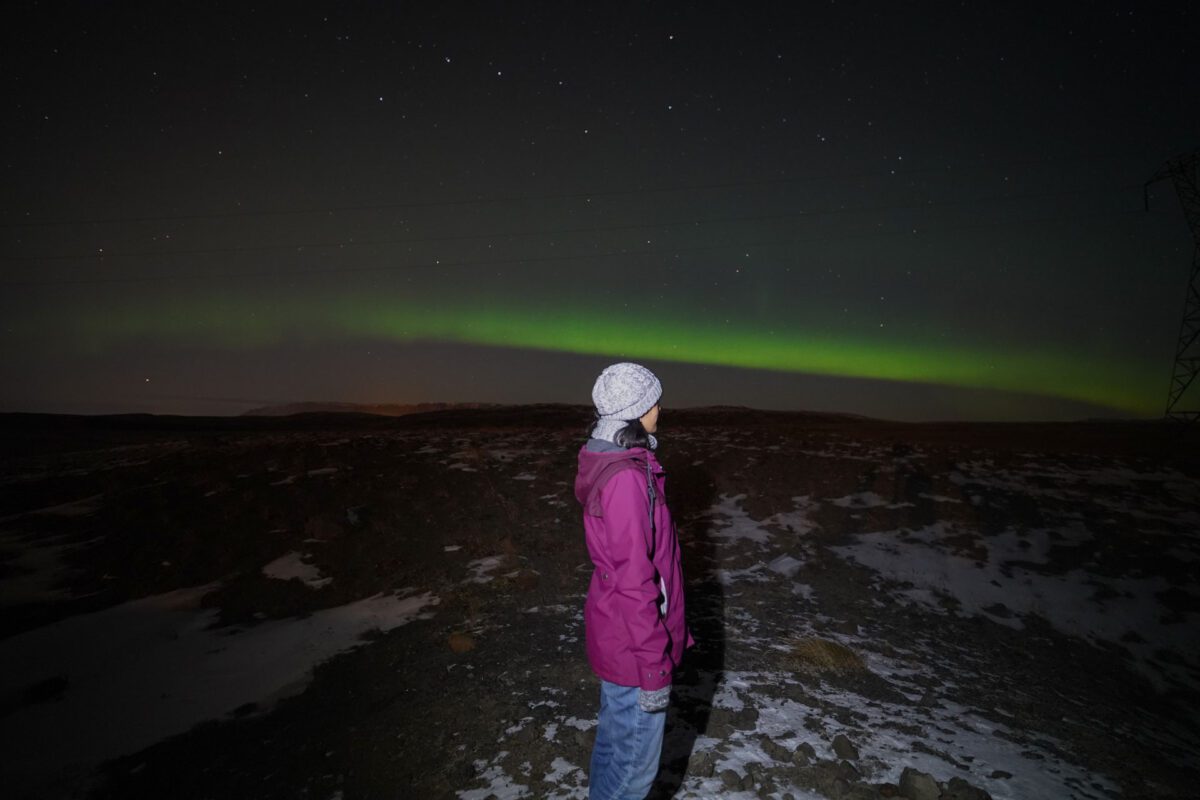
- Iceland is not the best country for northern lights (Aurora Borealis) due to regular storms and cloudy skies. Tromso in Norway and Abisko in Sweden are the best spots for the lights, though I was lucky to see them in Iceland. Northern Finland is also a popular spot.
- However, the reason a lot of people choose Iceland for the northern lights rather than Norway, Sweden, or Finland, is because of convenience: you don’t need to drive that far out of the city area to see the northern lights in Iceland, whereas in the Scandinavian countries you need to travel far up north (via long train and bus journeys, or flights) to see them.
- The airport to fly into is Keflavík International Airport, not Reykjavik Airport (unless you’re flying from within Iceland).
- Watch out for parking fees at major attractions, even waterfalls. They range from €5-15, and are not imposed by the government but by farmers who own the land.
- Don’t enter parking spaces if you’re not sure you want to see the attraction. Some waterfalls are honestly not worth the parking fee, or you can drive by and see them from the road.
- If you enter parking spots and leave immediately, you still have to pay the parking fee.
- The wind takes its job seriously in Iceland. It’s windy even in summer, but much stronger in winter months.
- When you see “lobster” on menus, this often means small shrimps, not actual lobsters. And they are not deveined.
- Yes, eating out can be expensive (average €25-30 per person per meal), but you can still stay within a budget without having to cook. Go to local bakeries, and you will find affordable sandwiches, which also make for the perfect meal on road trips.
- There are many potholes and gravel roads. Make sure you get insurance for your rental car, and get a car that can withstand these conditions (a 4×4 is recommended if you’re driving outside the Ring Road).
- There are long distances between popular attractions, and this means long road trips. The best way to see Iceland’s top attractions is to rent a car. Compare car rental prices here.
- The supermarkets Bonus or Kronan offer the best prices and variety. The other ones are 10-11, Heimkaup, Hagkaup, and Krambúðin, and they are smaller and pricier.
- Many places are inaccessible or closed during winter, including a few National Parks and the highlands (e.g. Landmannalaugar).
- Watch out for sheep on the roads, especially in summer, when they roam freely away from their farms. If you find a sheep that’s been run over, call 112.
- Icelandic cuisine is not for the weak. Fermented shark, sheep’s head, and whale are traditional Icelandic dishes. I did not try any of it, and in fact, an Icelandic woman discouraged us from wanting to, by admitting that the food can be a bit repulsive to even some locals.
Tips for Iceland: dos and don’ts
Do
- Always fill up on gas whenever you can, especially on long drives to remote areas and the Westfjords. We almost ran out of gas a few times. Prices at gas stations vary, even within the same brands.
- Along the Ring Road, there’s only one spot where you need to pay a toll, it’s when you cross the Vaðlaheiðargöng tunnel near Akureyri. Payment can only be done online after you cross the tunnel, it’s about €14.
- Before heading out by car, check the website road.is for updates on road conditions and closures. This is applicable in summer too because roads can close due to volcanic eruptions.
- Download the app parka.is to pay parking fees — it’s efficient and convenient, unless there’s no cell service.
- You can drink tap water in Iceland, it’s fresh and safe, and reduces the use of plastic bottles.
- If you want to see the northern lights in Iceland, check for light activity on the free app “Aurora Forecasts & Alerts” and the Vedur website.
- The KP number should ideally be 3 and above, but there should also be minimum clouds in order for the lights to show
Tips on what to avoid in Iceland
- Don’t try to cram the Ring Road into anything less than a week. Two weeks is the ideal Ring Road Iceland itinerary, but if you just want to spend a few days, I recommend 4-5 days to at least see the main sights near Reykjavik.
- Never go off-roading in Iceland; it’s illegal.
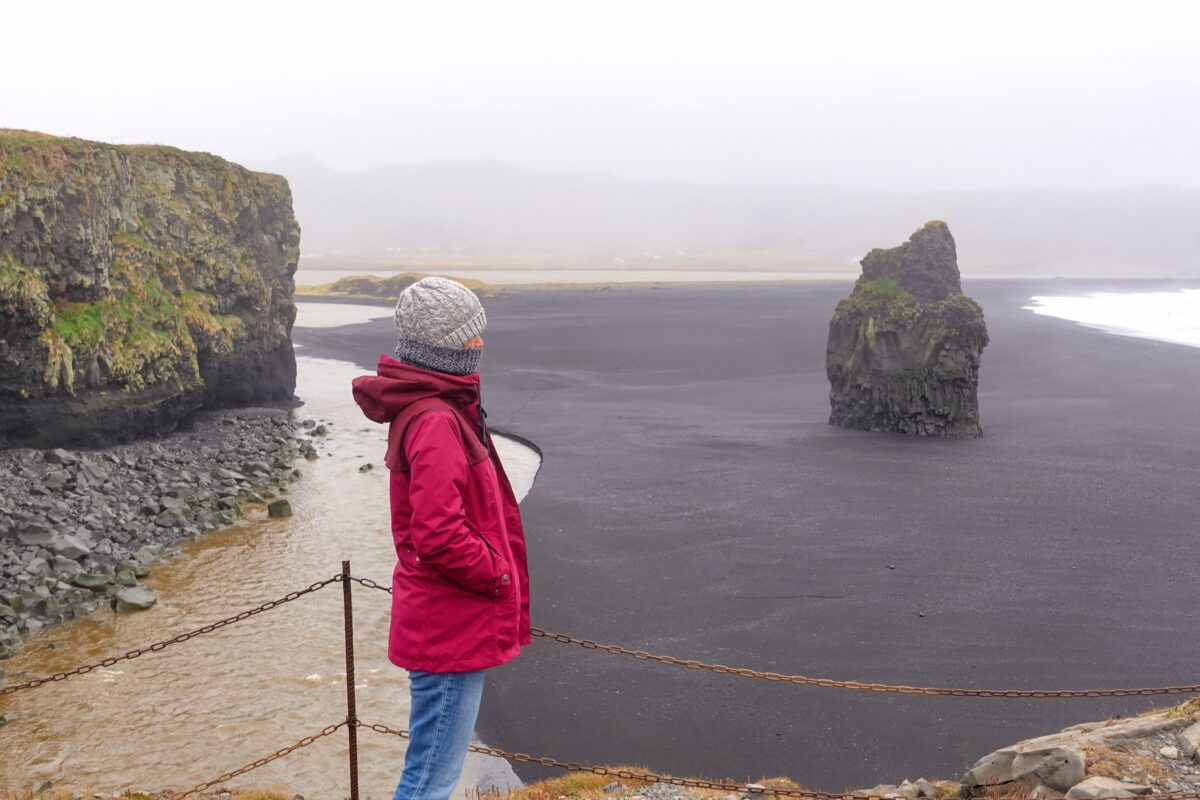
- Don’t get too close to the water at Reynisfjara Black Sand Beach. Signs everywhere warn about the sneaker waves, which are strong, unpredictable, and sneak up on you. People have died there.
- Don’t enter parking spaces that you have no intention of paying.
- If you enter and leave immediately, the camera will still capture your license plate
- If you don’t pay your parking fees, you will end up paying way more when returning the rental car because of the added admin work from the rental place
General etiquette in Iceland
- Horse etiquette:
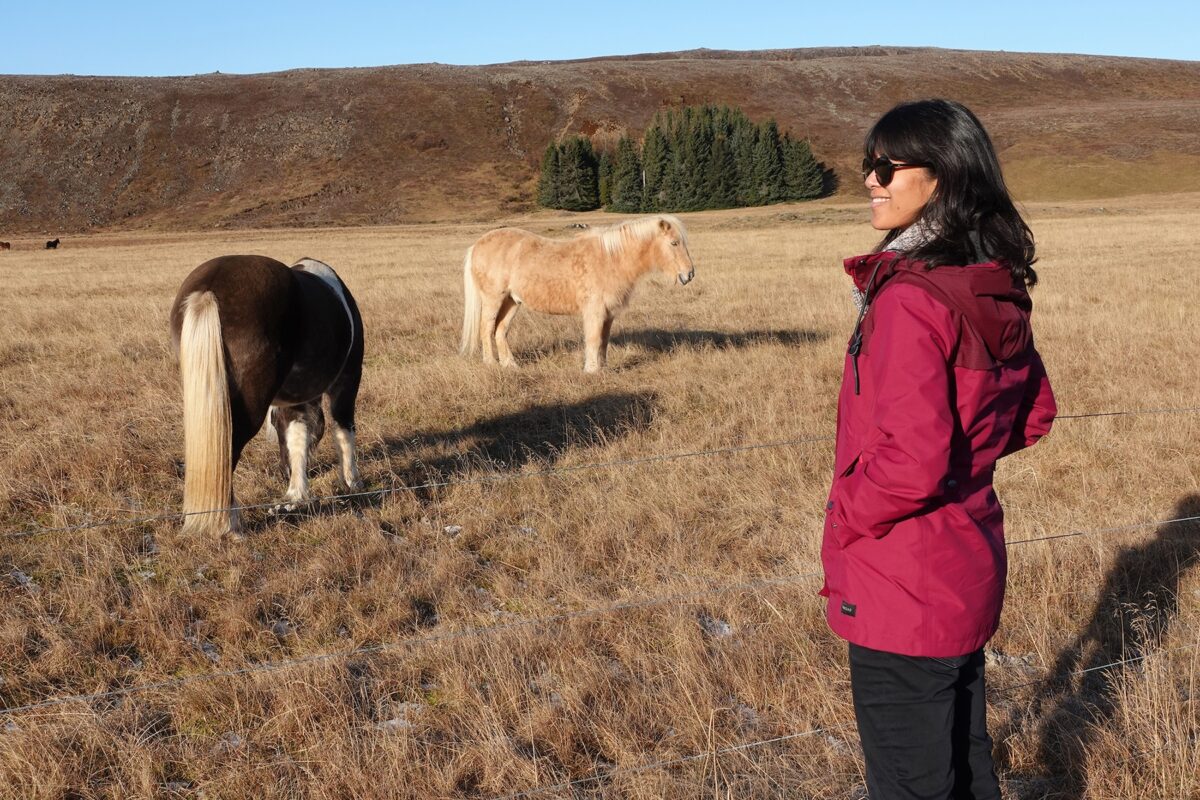
- Don’t call their horses ponies. Icelandic people take offense to that
- Don’t touch horses without permission from the owners
- Never feed the horses unless explicitly allowed by the owners. Most horses are on their own special diet
- Nature etiquette:
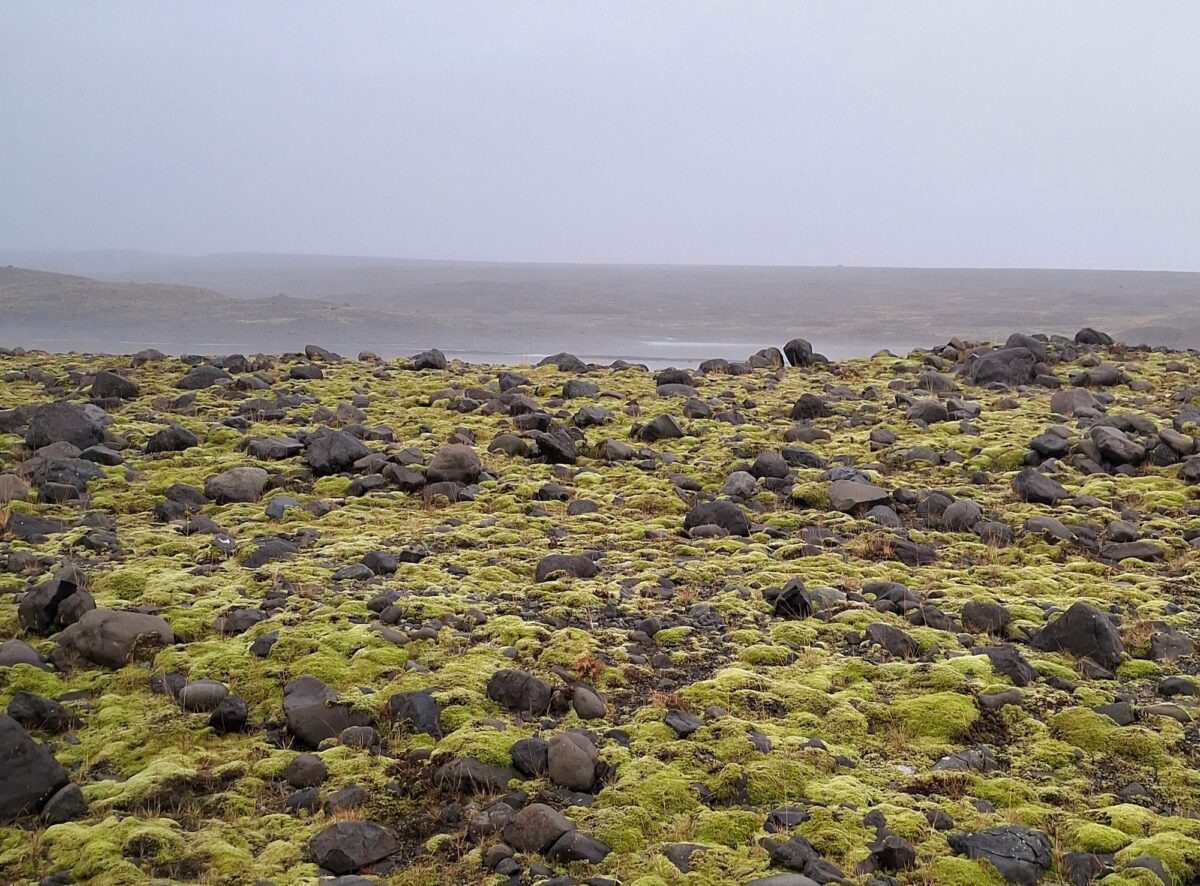
- Never touch or walk on moss, as moss is fragile and takes decades or more to recover from damage
- Always stick to marked trails. If an area is closed off, it’s not only to protect the surrounding nature but also to prevent people from slipping and falling. Don’t enter closed areas
- It’s the norm to remove your shoes when entering people’s houses, including homestays and Airbnbs.
- Greetings:
- A simple handshake is enough when meeting someone new. Hugs and kisses are only for close friends and family
- You can call someone by their first name
- Tipping is not the norm and is not expected.
- Personal space is important in Iceland, so don’t get too physically close to people.
- Hot springs etiquette:
- Follow all the hygiene rules at hot springs, whether at a luxury spa or at a budget one. Always shower before and after
- Keep your voice low to avoid disturbing others who want to enjoy a serene dip
- Never film people without permission
- Driving etiquette
- Don’t randomly stop while driving to take photos, especially when there are no designated rest stops
- Respect driving etiquette on single-lane bridges. Whoever is closest to the bridge has the right of way
How much should you budget for Iceland?
Iceland is one of the most expensive countries to visit, and even if you’re not planning a luxury trip, you still need to consider costs and a budget.
- Decent accommodation in Iceland (not budget but not luxury) costs around €150 per night. Here’s a detailed list of all the places I stayed in Iceland.
- A regular meal costs around €25-30 per person, but sandwiches at local bakeries are about €9.
- Parking fees range from €5 to €10. Most would agree that €5 is not that much, but trust me it piles up when you’re visiting multiple attractions.
- A rental car for 2 weeks can cost around €700-1000. On our 2-week road trip, we spent about €500 on gas.
- Activities
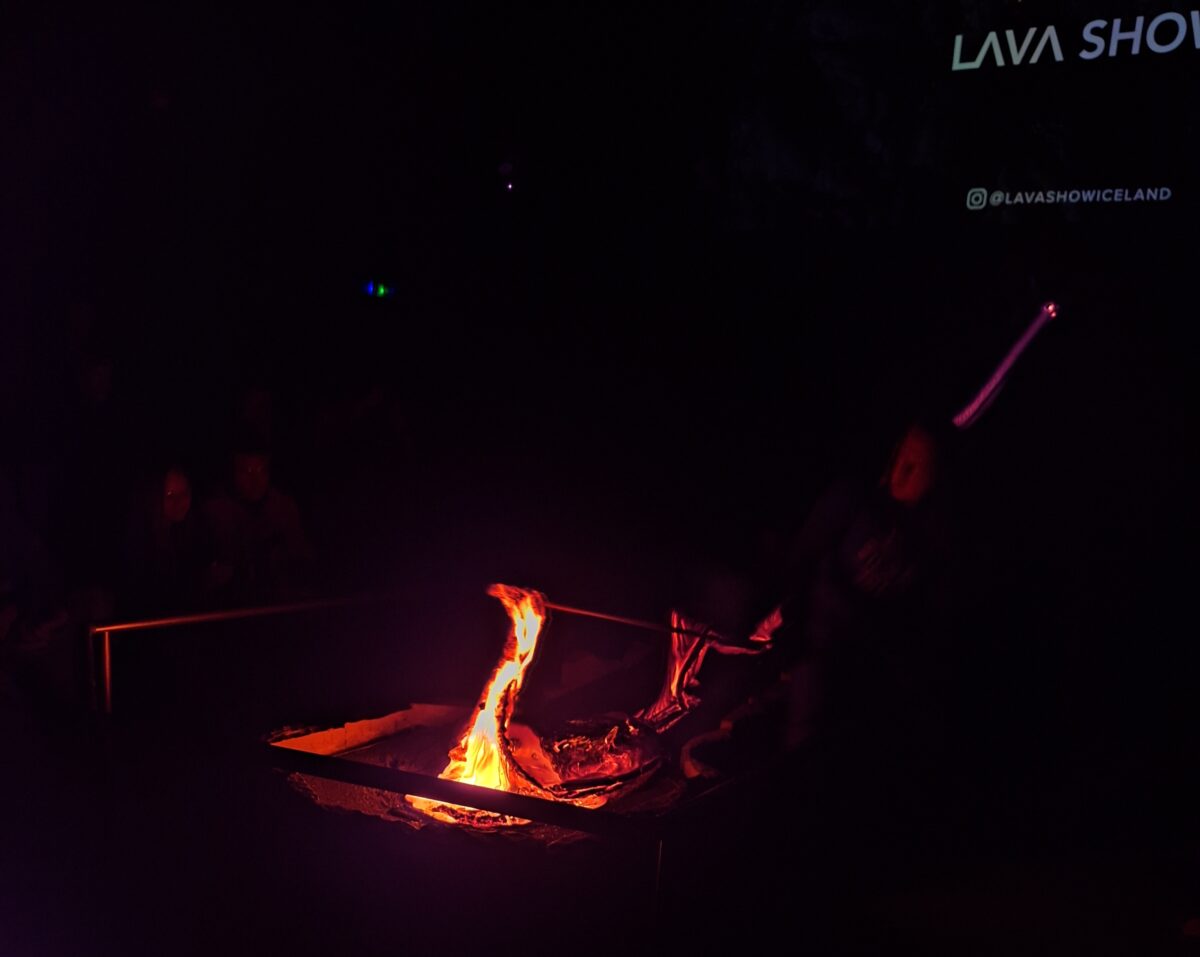
- The Molten Lava Show is about €38 per person. This was one of my favourite activities — it’s unique to Iceland and you get to see real lava flowing and hardening in a safe environment. The original location is in Vik, but they also have one in Reykjavik now.
- A northern light tour in Iceland can cost around €80 per person. I recommend booking one with a photographer because then you’re guaranteed good quality photos, and you can enjoy the natural phenomena (which can at times only last a few seconds) without worrying about photos
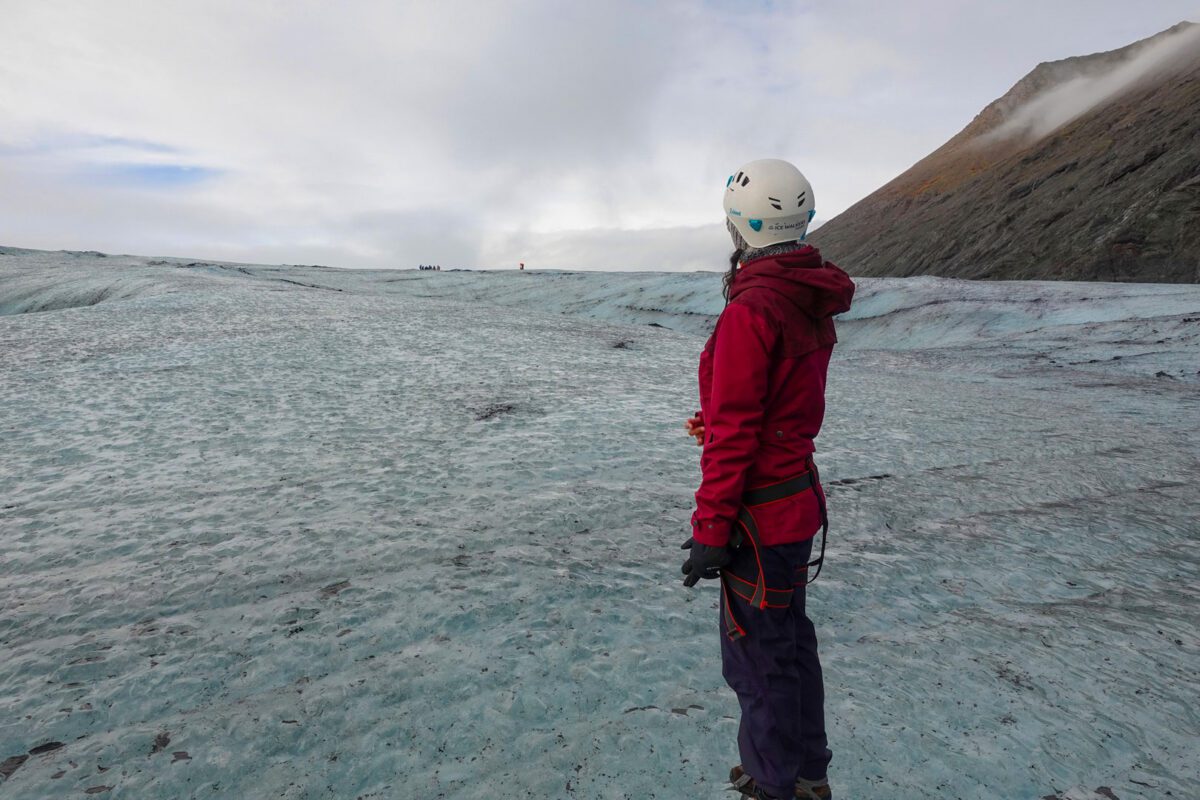
- Ice cave hiking and glacier exploration in Iceland can be quite costly but so worth it. We did ours at Vatnajökull National Park in a natural ice cave, and it was about €130 per person
Travel tips for Iceland: FAQs
What is the Ring Road in Iceland?
The Ring Road (or Route 1) is the main road in Iceland that goes around the whole country and forms a circle. It’s not the same as the Golden Circle, which is an area near Reykjavik and consists of various attractions along a route that also coincidentally forms a somewhat uneven circle.
How many days do you need in Iceland?
To do the Ring Road, I personally recommend at least 1 week. That will still feel rushed, which is why I did it in 2 weeks, allowing me time to rest in between long drives.
If you’re not doing the Ring Road but just want to see the popular spots, most of which are near Reykjavik, I recommend about 4-5 days.
When is the best time to visit Iceland?
This really depends on what you want to see, and what type of weather you’re most comfortable with. This detailed article on the best time to visit Iceland guides you through all the seasonal activities.
Is Iceland the best place to see the northern lights?
Iceland gets stormy and has a lot of rain, which means cloudy skies, making it hard to see the northern lights at times. Sweden and Norway are the best spots for the lights, though we did see them multiple times in Iceland during our 2-week trip in October.
Do you need to rent a car to visit Iceland?
If you’re staying in Reykjavik and only visiting for a few days, there’s no need for a car. You can do day trips to the major attractions nearby. But if you want to do the Ring Road or even just venture a bit further out, like to Vik, then renting a car is the best option.
Is Iceland expensive?
Yes, Iceland is one of the most expensive countries to visit, and is not a budget destination.
Is Iceland worth it?
In my opinion, Iceland is very much worth it. The landscapes are unique, as are the animals (e.g., Icelandic sheep and small fluffy horses).