When is the best time to visit Iceland? The answer really depends on what you want to see, where you want to stay in Iceland, and what weather you’re willing to brave. Autumn is best for northern lights (contrary to the popular belief that the best time for the lights is in winter), while summer is the season for whale watching and seeing puffins. Spring sees the waterfalls at their most powerful, while winter is brutal and I personally don’t think it’s the best time to visit Iceland, but it’s also very beautiful with snowy backdrops.
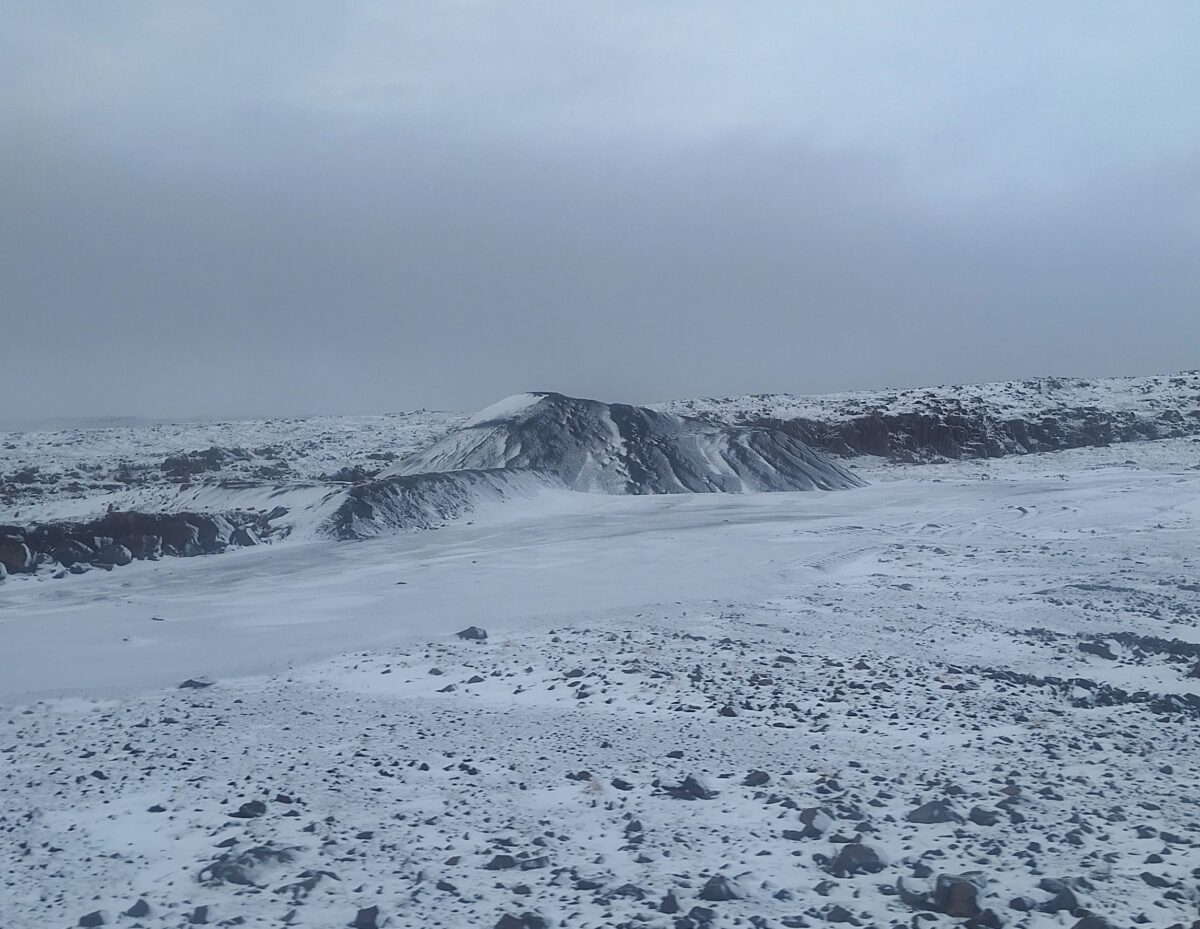
There are also parts of Iceland that are only open in the summer months, like Landmannalaugar (the highlands) and Hornstrandir Nature Reserve. I did a two-week trip in Iceland in October driving along the Ring Road, and it was absolutely the best decision to go in that month, though I do want to go again in summer.
If you want to have a trip already organised and you just want to choose the month to visit, check out these Icelandic trip options.
Best time to visit Iceland: A guide to all the seasons
Why visit Iceland in spring (April, May)
- Spring means milder weather than in winter and fewer crowds than in summer.
- You can already start seeing whales in the spring.
- It’s better weather to go snorkelling in the Silfra fissure (though the water temperature itself remains about the same throughout the seasons, about 2°C or 35°F).
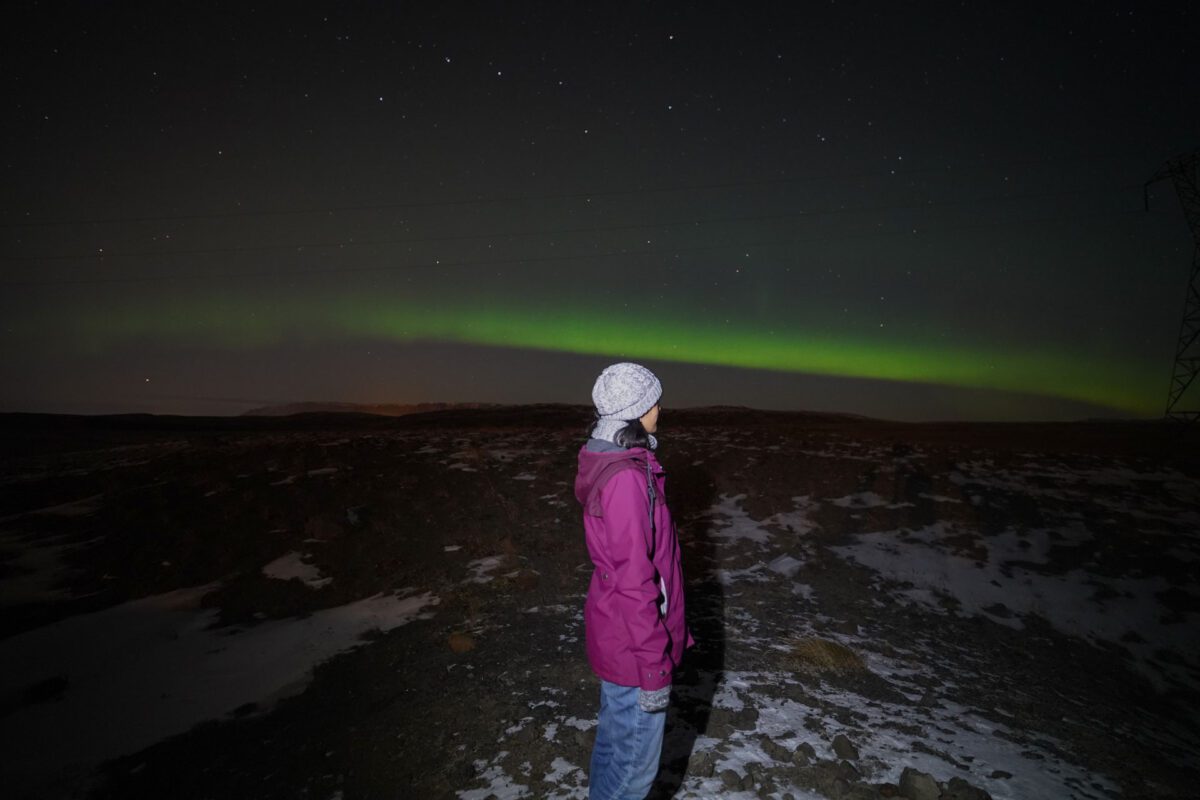
- You can still see the northern lights in Iceland until April.
- The waterfalls are more powerful due to snow and ice melting.
- Spring in Iceland is lambing season: you can spot cute lambs all over the country.
- In late April you can maybe start seeing puffins, because that’s when they return to Iceland to mate and nest after being out at sea.
Visiting Iceland in summer (May-August)
Summer in Iceland is peak season, because the weather is warmer and there are a lot of festivals, the highlands are open, and you can see wildlife like whales and puffins. But this also means higher prices for accommodation in Iceland and more crowds.
- Summer is the best time to see puffins in Iceland. In fact, Iceland is home to 60% of the Atlantic puffin population. The best places to see them are in Northern Iceland and in the Westfjords, particularly in Látrabjarg. This means you would need to rent a car and drive quite a long distance.
- The Icelandic highlands like Landmannalaugar are a beautiful and remote area, and are only open in summer (from mid-June to September).
- Summer is peak whale-watching season in Iceland (particularly minke, humpback, sperm, and blue whales).
- Festivals:
- Arts Festival in Reykjavik in May
- Seafarer Day in June
- National Day in June
- Viking Festival in Hafnarfjörður near Reykjavik in June
- Reykjavik Culture Night in August
- Experience the Midnight Sun from May to August, when the sun does not go below the horizon. Summer Solstice (or midsummer) is in June on the longest day of the year, with almost 24 hours of sunlight.
- If you’re looking for glacier-related activities, note that in summer the glaciers don’t look blue and sparkling, but look rather dirty, due to volcanic ash, dust, and sediment.
Visiting Iceland in autumn (September, October)
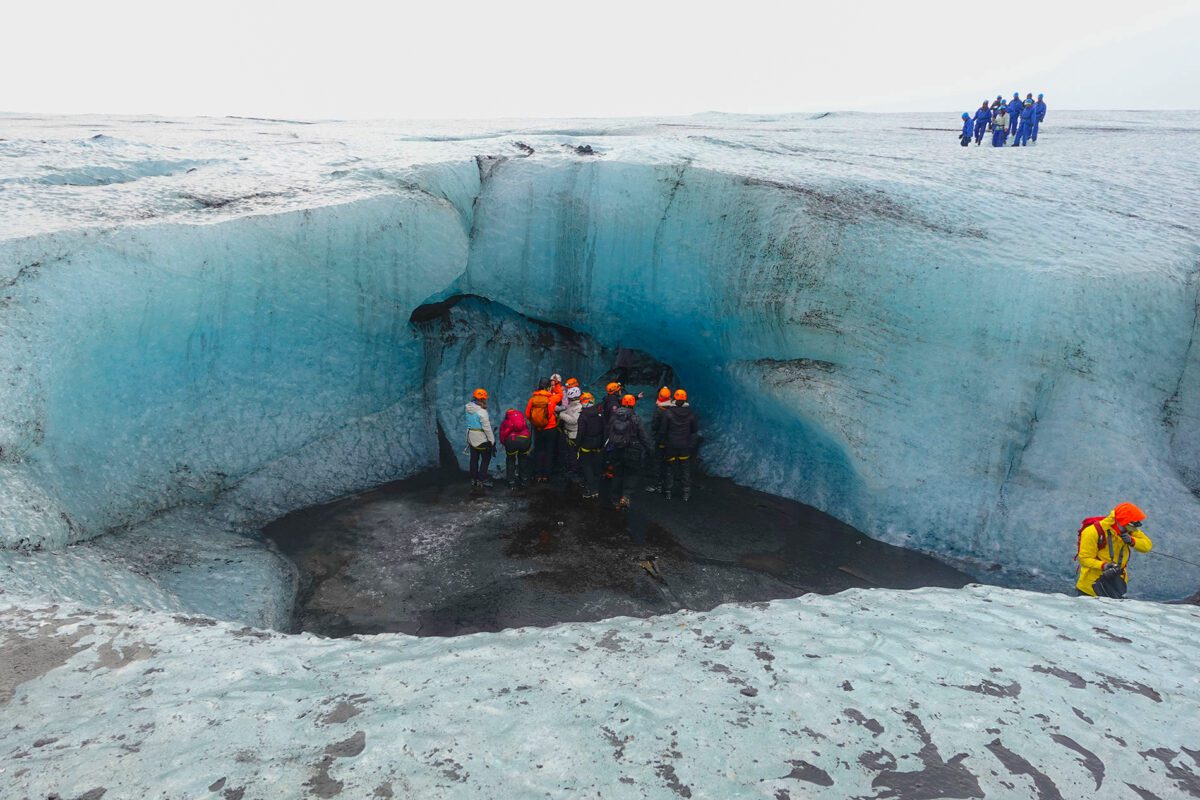
- The glaciers look “cleaner” (more blue, less black or grey) due to the rain in September washing away the ash and sediment, according to our guide. We went ice-cave hiking in Vatnajökull National Park in October and stayed at a guesthouse near Skalafell glacier. Indeed, the glaciers looked a bit more blue compared to the summer months.
- The best time to see the northern lights is in September and October, when there are no storms and the skies are clearer. Temperature-wise it’s also more pleasant compared to the winter months.
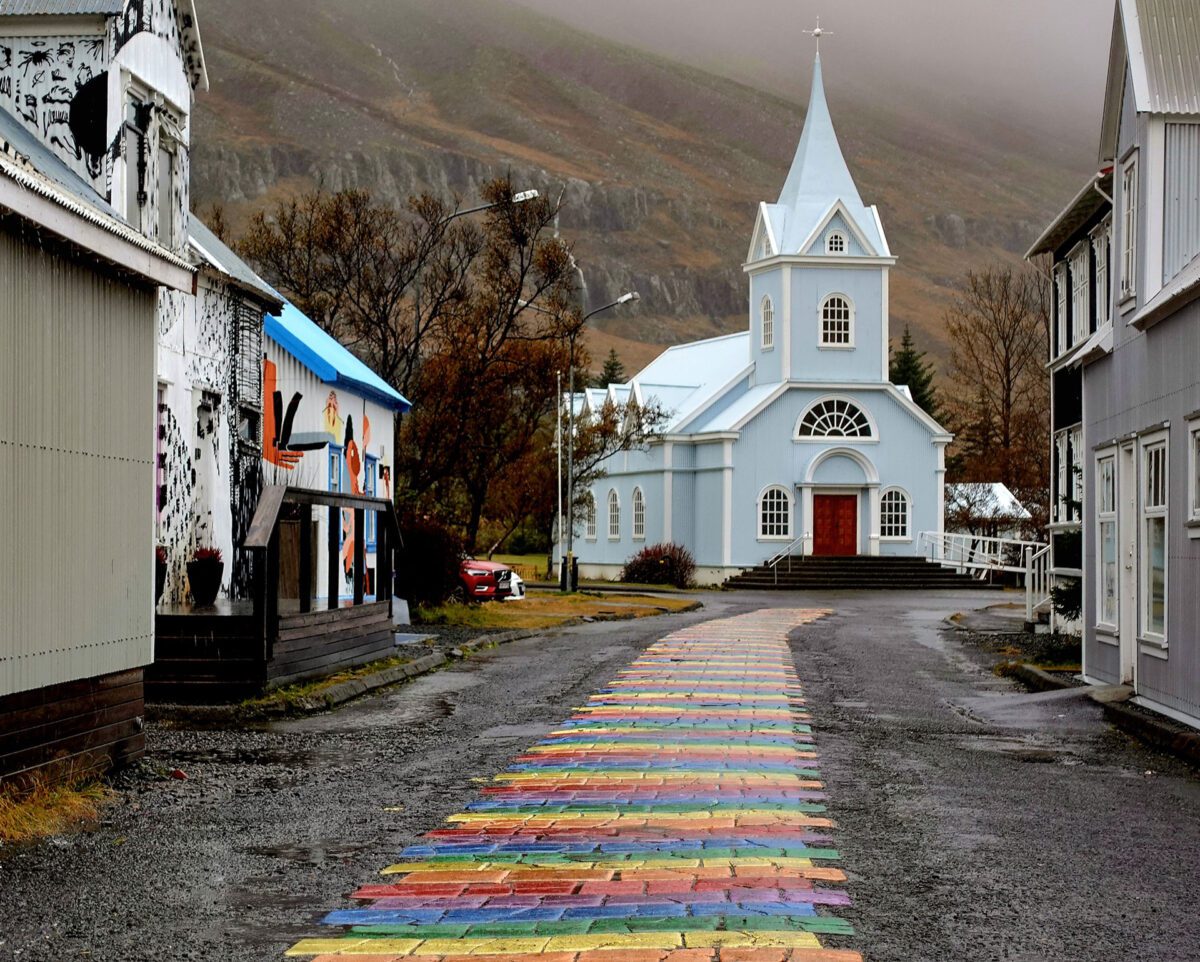
- Iceland is the most colourful from September to October due to autumn foliage.
- Experience the cultural tradition Réttir in September and October, when farmers ask friends and family to help them round their sheep up, as during the summer months they roam around freely. Tourists can participate too with permission.
- It’s harvest season in autumn, meaning plenty of fresh produce. Two well-known vegetable markets are in Mosskógar near Reykjavik and in Sólheimar (about 1 hr east of Reykjavik), the oldest eco-village in the world.
- Festivals:
- RIFF (Reykjavík International Film Festival)
- Iceland Airwaves music festival
- It starts getting windy already around October.
Should you visit Iceland in winter (November-March)?
- Not gonna lie: winter in Iceland is brutal, with crazy wind (especially in January), cold temperatures, icy roads, and storms. The temperatures are not as freezing as you would expect, but the wind makes everything feel much colder.
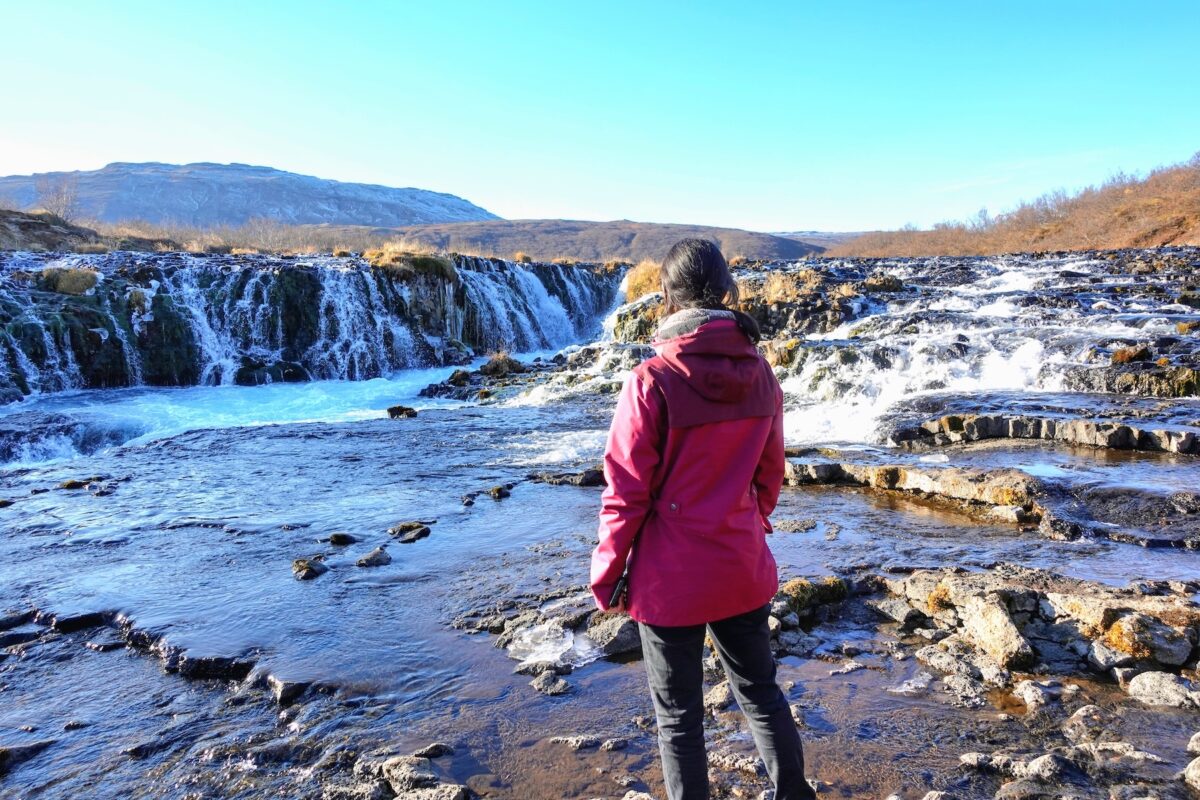
- Waterfalls like Brúarfoss are beautiful when frozen, but can also be chilling to visit.
- Northern Lights activities are still possible in winter, but due to cloudy skies, they might not be very visible.
- If you can withstand the cold and icy conditions, Iceland turns into a gorgeous winter wonderland in winter, perfect for activities like glacier cave exploration and snowmobile tours.
- A popular activity is dog (husky) sledding, which I do not recommend because in some cases, the dogs aren’t actual huskies. Some dogs are just regular mutts who are not made for this much exercise or the harsh climate (this was my experience in Norway). Either way, it’s dogs being bred for profit, which is already not very ethical.
- Our glacier hiking guide mentioned that walking on glaciers with crampons is fine, but driving on glaciers can cause environmental issues
- Winter is the best time for skiing and snowboarding fun, although honestly, Iceland is not the best place for these activities, due to strong wind and temperate weather conditions. This means that the snow melts fast, and some resorts stay closed.
- Some operators (but not all) might still run boat and kayak tours in winter, and the snowy backdrop makes it even more spectacular.
Best time to visit Iceland: FAQs
- When is the best time to visit Iceland for the northern lights?
- The best months for Northern Lights in Iceland are September and October, when the skies are clear and the weather is mild
- When is the best time to see whales in Iceland?
- Late spring and summer time are the best seasons to go whale watching in Iceland
- When is the best time to visit Iceland to see puffins?
- Puffin season happens in late spring and summer
- When can you explore Iceland’s highlands?
- The highlands of Iceland are only open in the summer months
- Is October a good month to visit Iceland?
- In my opinion, October is the best month to visit Iceland, particularly if you want a higher chance of seeing the northern lights while avoiding the harsh winters. I spent 2 weeks doing the Ring Road in Iceland in October, and we saw the northern lights multiple times