
Five days in Vienna is the ideal time for a relaxed but packed trip that allows you to see all the main sights without rushing, because a lot of the city’s main attractions require proper time to absorb them all. For instance, you can spend half a day at the Museum of Art History, and then rest at a Konditorei (Austrian-style cafes with yummy pastries) before continuing on. Here’s my Vienna itinerary for a culturally immersive and eco-friendly trip covering all the best things to do in Austria’s capital city.
A breakdown of a Vienna itinerary over 5 days
Here’s a detailed breakdown of my Vienna itinerary by day, with all the things you can fit in within that day, without rushing or feeling exhausted, because slow travel is the best way to avoid travel burnout and fatigue.
The 5-day Vienna itinerary does not include arrival and departure days. If you have less time in Vienna, you can still do this itinerary in 3 days — just skip days 4 and 5. All the unique attractions that should not be missed are on days 1, 2, and 3.
Day 1 in Vienna
1. State Hall
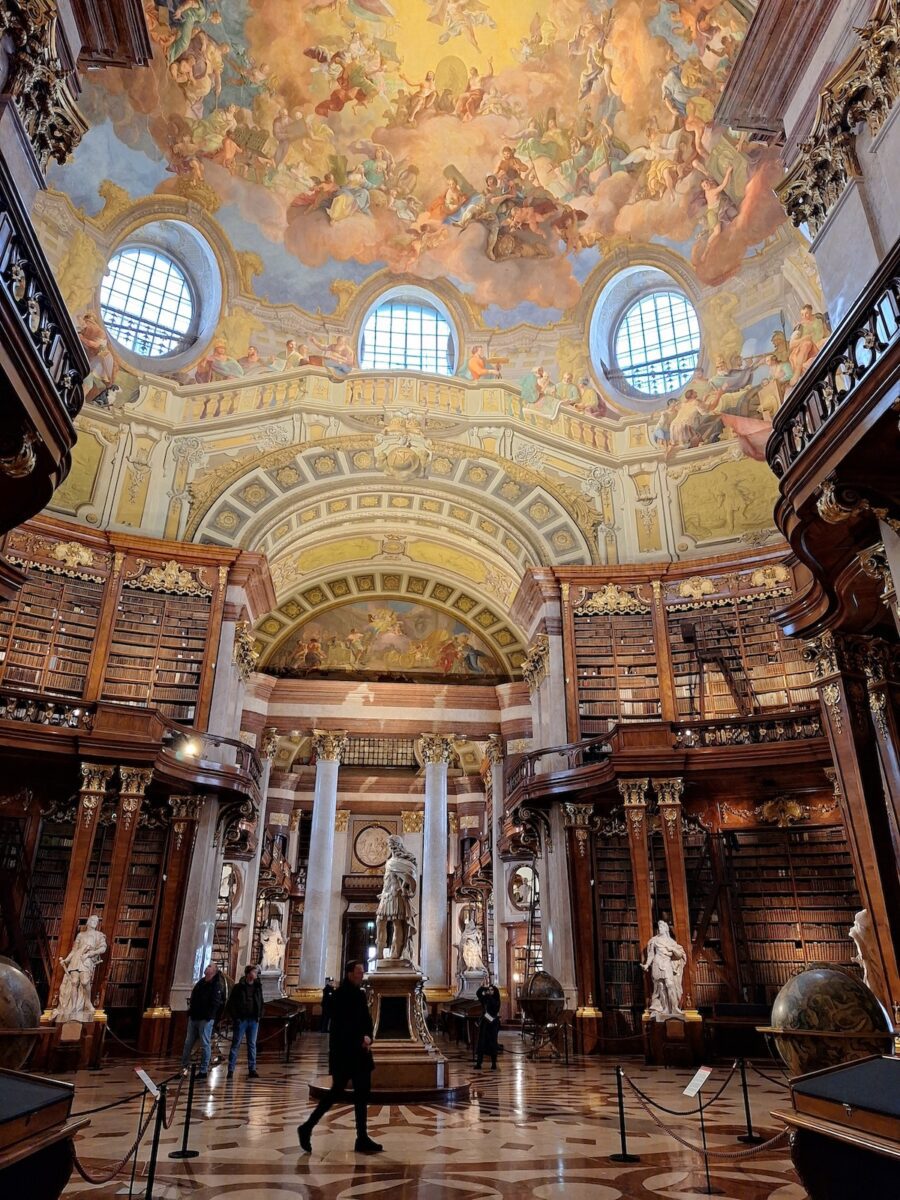
I started the day at 10 AM for the most anticipated item on my Vienna itinerary: the Austrian National Library, otherwise known as the State Hall, or Prunksaal in German.
Fun fact: This opulent, ornate library was actually created to demonstrate the intellectual superiority of the Austrian Empire and the Habsburg family.
Insider tip: Buy your ticket online to avoid waiting in line. I booked my ticket online and arrived right before opening time. I was the first person to enter the State Hall, and it had it all to myself for a couple of minutes before the crowds swarmed in.
2. Hofburg Palace
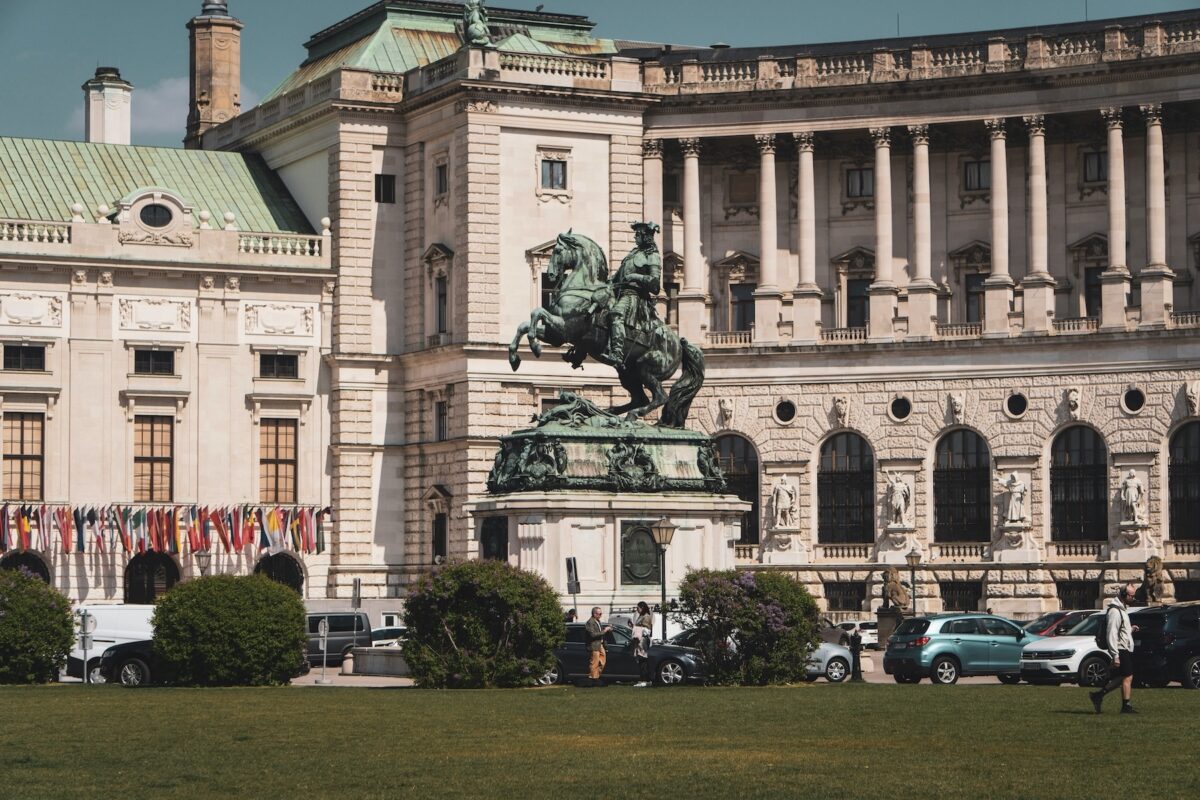
The Hofburg Palace is right next to the State Hall, so it’s an easy walk. This is the former imperial palace and winter residence of the Habsburg family, and is now a museum. It’s where you’ll find the Sisi Museum, which is an homage to the beloved Empress Elizabeth. You’ll also find the Imperial Treasury there, where the crown jewels are kept.
3. Konditorei (lunch break)
I had to try at least one typical Austrian cafe, aka a kontidorei, so I went to Kurkonditorei Oberlaa for lunch. I had delicious Austrian pastries and a sandwich. I liked this spot because, despite its location in a touristy zone, it was mostly frequented by locals, and the prices were ok.
4. St. Stephen’s Cathedral
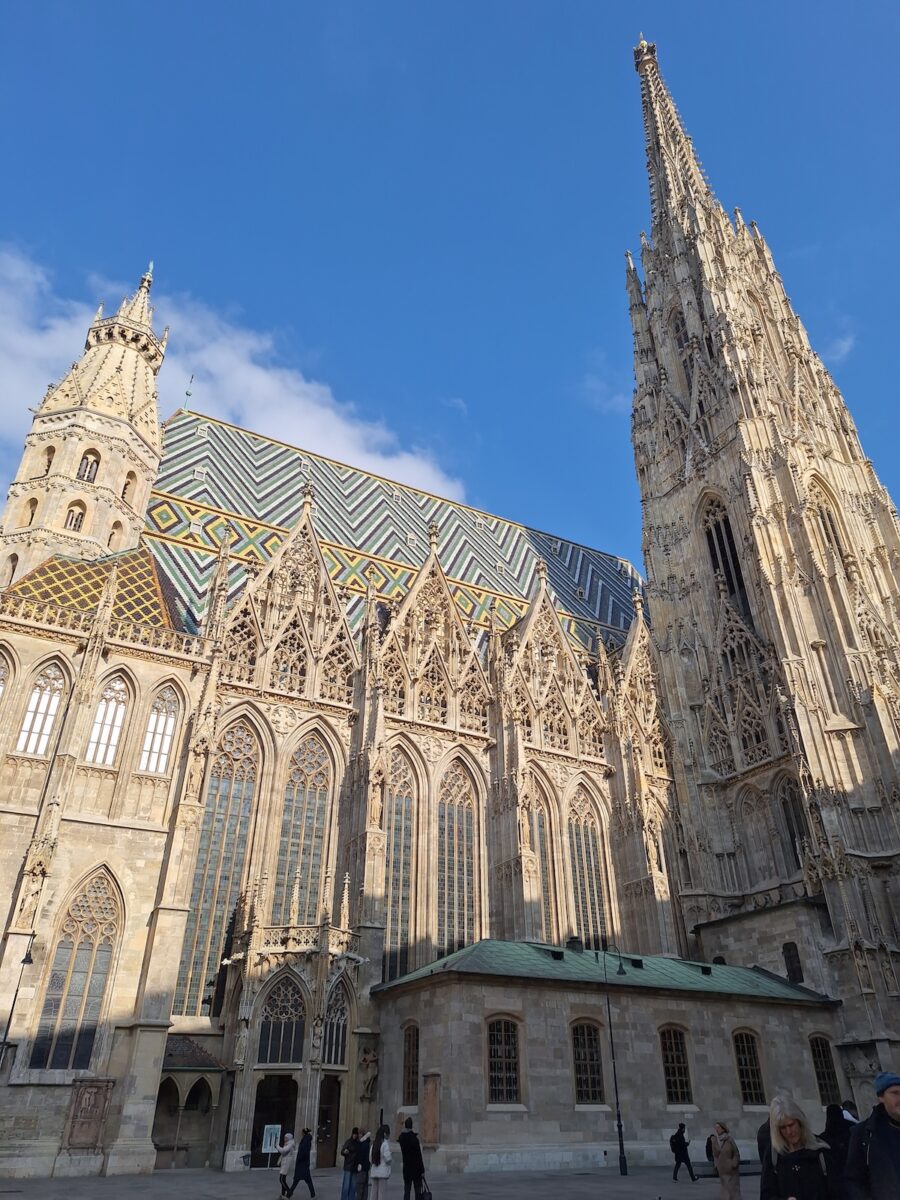
St. Stephen’s Cathedral is the most important Catholic church in Austria, built in Gothic-Romanesque style. The main church area is free to enter, though you need a ticket to see specific sections like the catacombs.
5. Graben Street
Graben Street is the main square in Vienna and is a shopping area. I usually avoid highly touristy zones that are just full of generic shops with the same brands and souvenir shops, but this street was beautiful as it’s surrounded by historic architecture and buildings.
However, I did not love seeing the horses being forced to give rides to tourists.
After walking around a bit and then grabbing a light dinner, day 1 in Vienna was over.
Day 2 in Vienna
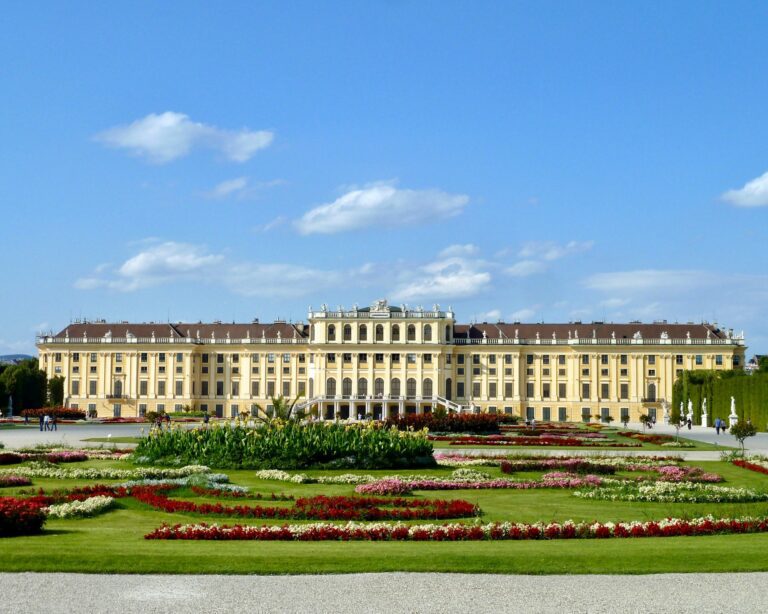
1. Schönbrunn Palace
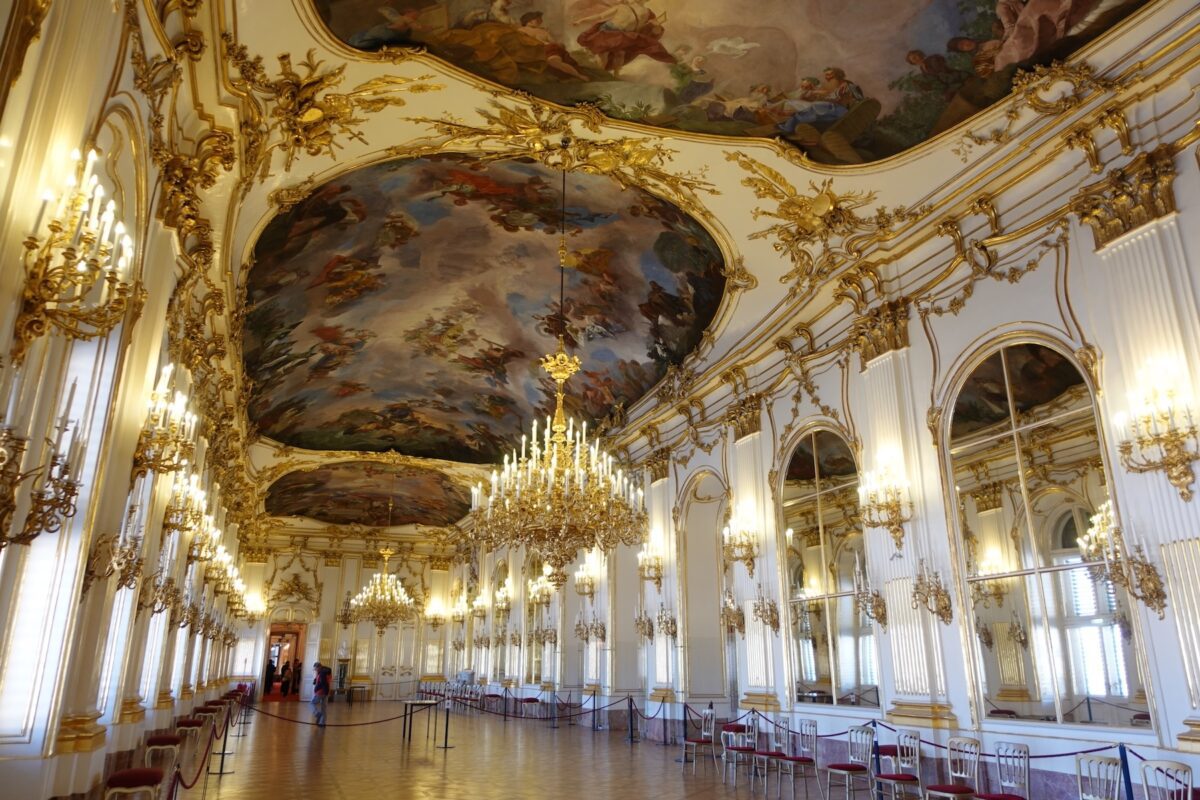
Just like the Hofburg Palace, Schönbrunn Palace was also the former residence of the Habsburg dynasty, but mostly in the summer. You will need a few hours to see this place; in fact, I recommend half a day, especially if you want to visit the garden and the Gloriette, where you can get nice views of Vienna. There will be a lot of walking, so wear comfortable shoes.
Insider tip: The garden is free to visit, but you need a ticket for the palace. I bought my ticket online and chose the grand tour rather than the shorter and cheaper Imperial tour, because I wanted to see it all. The ticket comes with an audio guide, which I highly recommend. When you buy your ticket online, you need to choose a timeslot, and you can’t be late because if you miss your time slot, there’s a chance they won’t let you in.
After the Schonbrunn Palace, I had lunch, then rested before dinner, then headed out to the Vienna State Opera.
2. Vienna State Opera
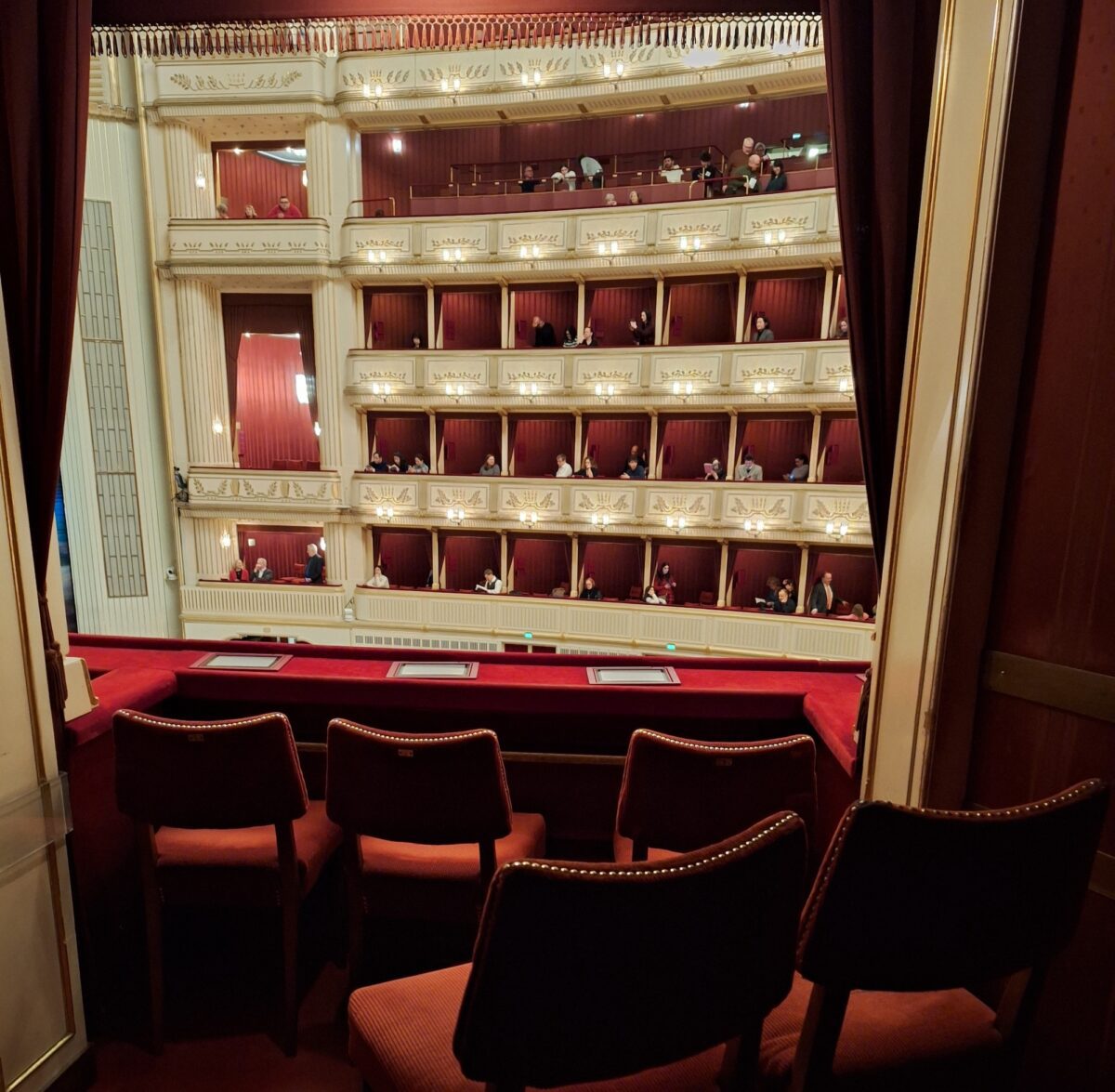
The Vienna State Opera is an incredibly beautiful piece of architecture that really showcases Vienna’s wealthy past and its emphasis on the arts. I recommend doing a guided tour of the opera house, or book a ticket to a show. Or you could do both.
Insider tip: I got a “standing-room ticket”, which is a last-minute ticket for same-day performances, though it does not necessarily have to mean that you’ll be standing. I attended the opera “Il barbiere di Siviglia” for €25 instead of paying over €100, and I chose a balcony seat. I was in the back, but I could still see everything.
Day 3 in Vienna
1. Kunsthistorisches Museum (Museum of Art History)
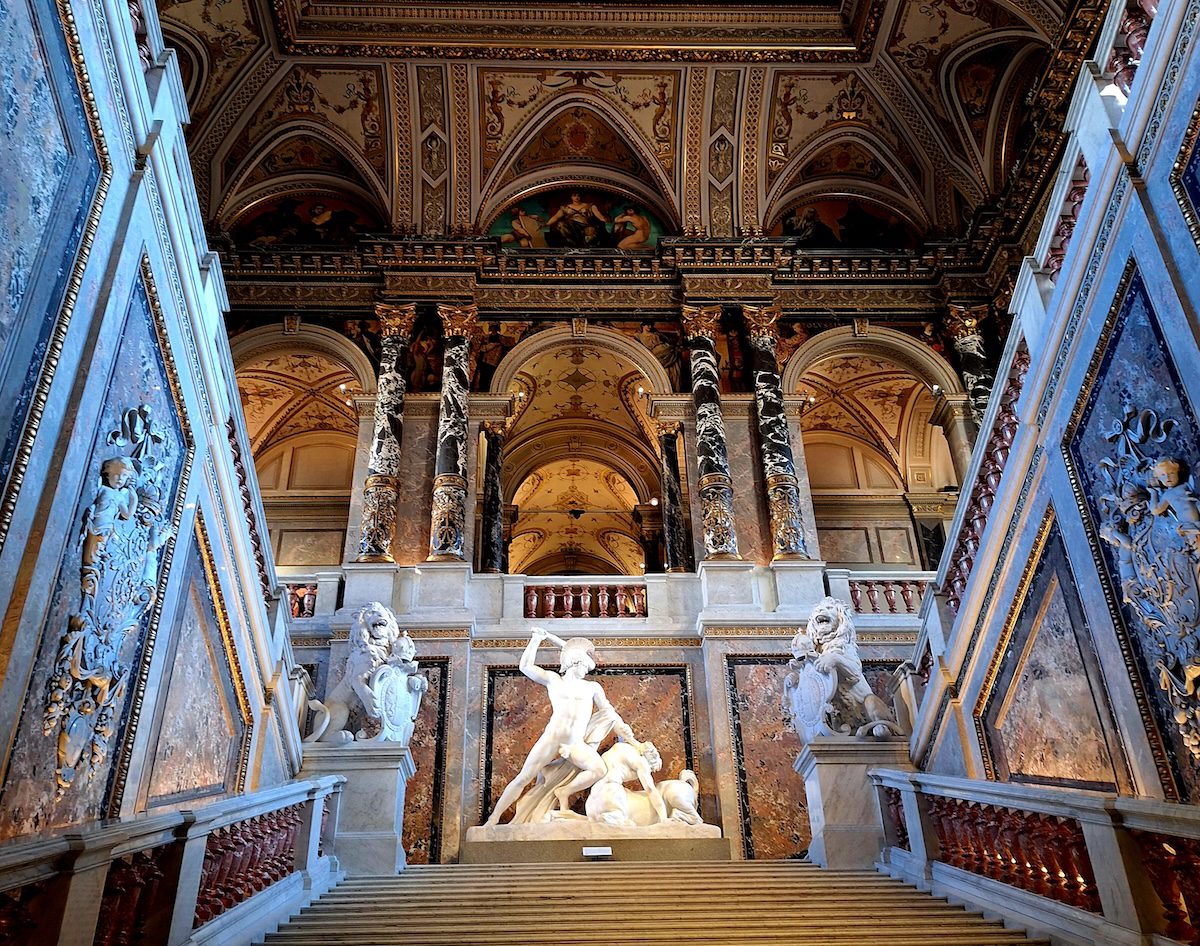
Kunsthistorisches Museum (Museum of Art History) is by far the most beautiful art history museum I’ve ever stepped into. I got there early at 10 am, skipped the line because I had purchased an online ticket, and decided to pay an extra small fee for the audio guide.
Insider tip: You will need at least half a day here if you want to see all the exhibits and properly enjoy the architecture. You can always take a break at the gorgeous cafe inside the museum.
2. Belvedere Palace
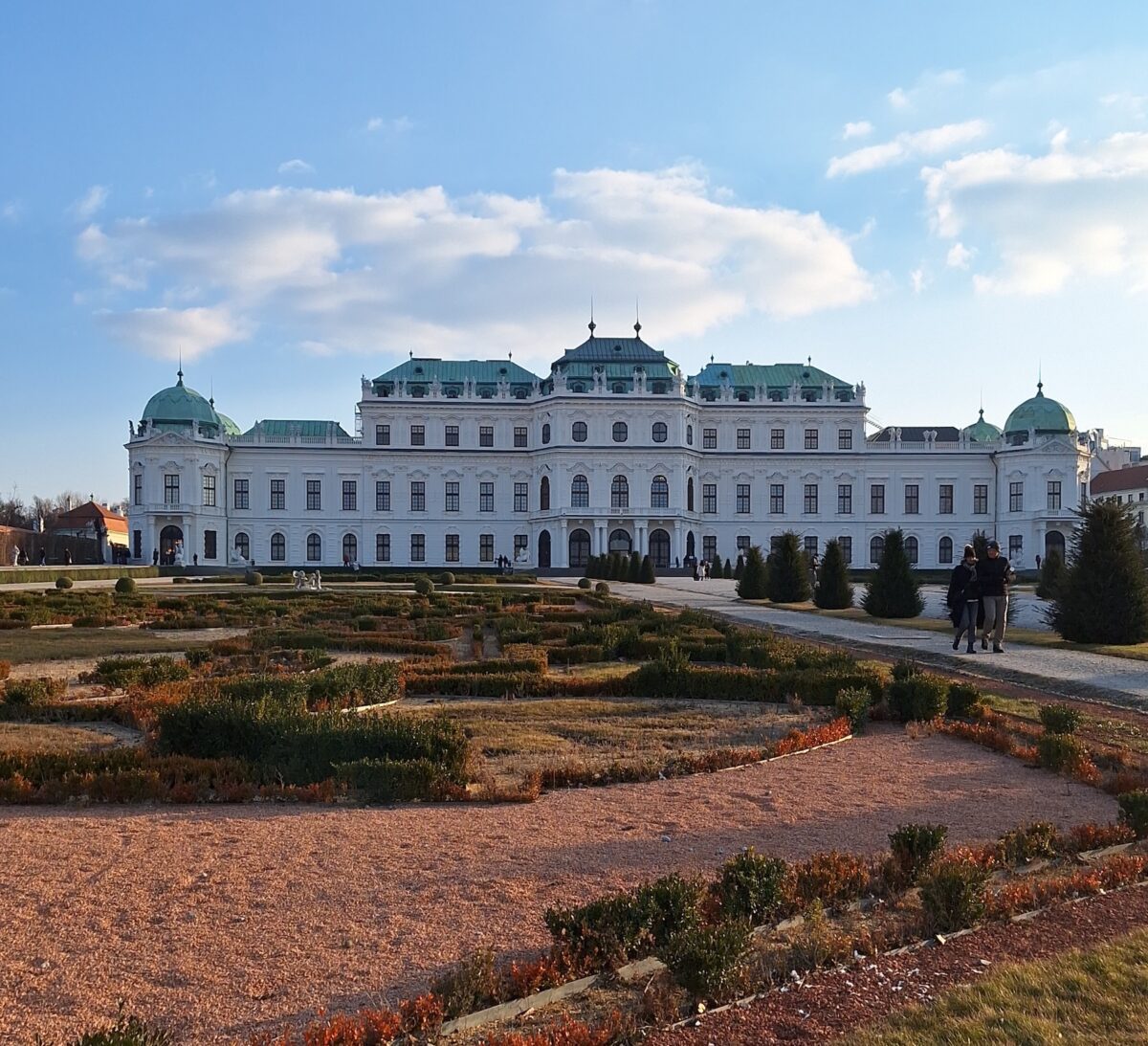
The Belvedere Palace is known for its garden (the garden is free to explore) and its iconic painting collections, particularly Gustav Klimt’s “The Kiss.” I’ll be honest, after the Hofburg and Schönbrunn Palace, I was glad this was my last palace. It is incredibly beautiful, but this was my third palace in 3 days, and I was starting to feel “palace fatigue” at this point.
Day 4 in Vienna
1. Haus der Musik
Whether you’re very into music or not, the Haus der Musik (House of Music) is a really cool interactive museum to visit, where you can learn about music evolution and even pretend to be a conductor. It’s educational, it’s fun, and it’s worth a trip, even just to learn how sound travels.
2. Karlskirche, a Baroque church
This is a Baroque church in Karlsplatz, and it has an entry fee, which goes towards renovation work. It’s absolutely stunning, and you can attend concerts there.
3. Hundertwasserhaus building
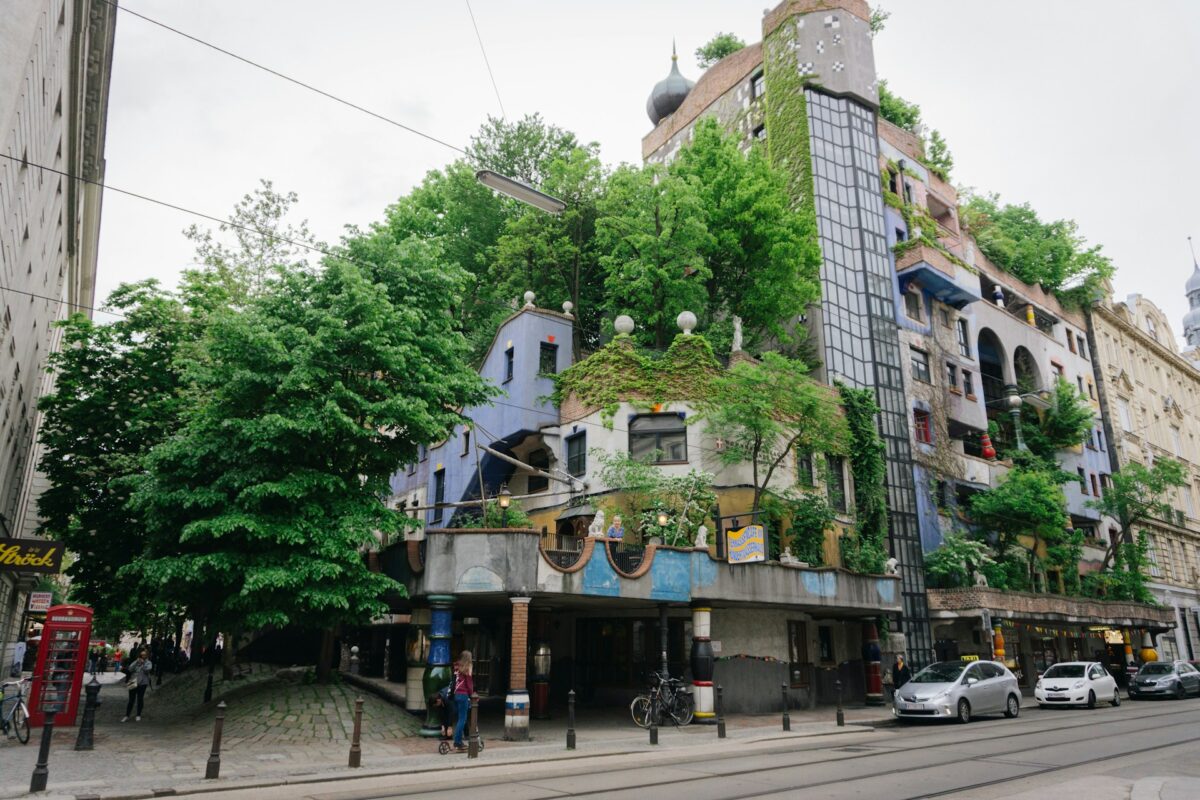
The Hundertwasserhaus is a residential building, but its colourful facade makes it a popular tourist attraction. It’s fun to look at, but also skippable, in my opinion, especially if you’re short on time and have a packed schedule. It’s also not within the same area as the other main attractions.
Day 5 in Vienna
1. The museums at Museumsquartier
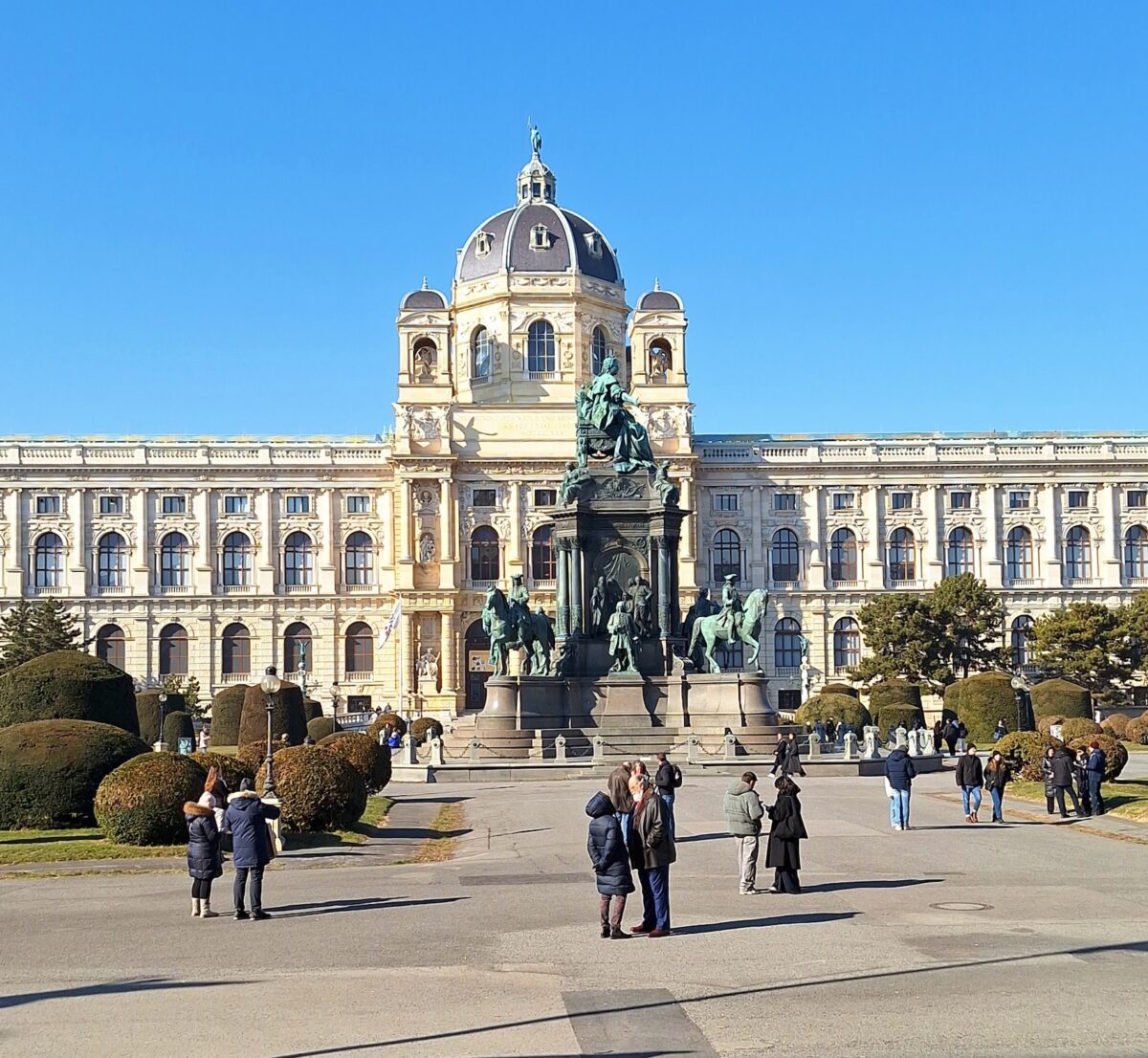
Museumsquartier is a complex where you will find a bunch of museums, green spaces, cafes, and restaurants. It’s within the same area as the Hofburg Palace and the Museum of Art History. You will need at least half a day or more to see the museums there, which are Leopold Museum, Kunsthalle Wien, MUMOK (Museum of Modern Art Ludwig Foundation Vienna), and ZOOM Kindermuseum (this is for kids). I did not go to any of the museums as I did not want to experience “museum fatigue”, and honestly, I was not sure anything could top the Kunsthistorisches Museum, so I simply walked around and enjoyed a break.
2. Mozart house
Mozarthaus Vienna is where Mozart lived for 3 years, composed some of his most famous pieces, and even held concerts. Mozart fans should definitely visit this place, which is within walking distance from the Museumsquartier.
What I ended up skipping on my Vienna itinerary
- Cafe Central and Cafe Sperl (the reviews were not great, and both seemed like a tourist trap)
- Sacher cafe (this is where the original sachertorte was made, but the reviews weren’t great, and I ended up buying a delicious sachertorte from one of the Aida cafes instead)
- Gertsner: I went in, it’s a cute fancy cafe, but the service was terrible, so I left
- Demel cafe: This is a historic cafe but it just didn’t fit into my Vienna itinerary
- Musikverein – no time
- Beethoven house – no time
- Naschmarkt (seems a bit touristy and overwhelming, and I heard it was not necessarily affordable)
- National History Museum (I did not have time for this, and I’ve already been to a few National History Museums, the most notable one being in New York City)
- Setagaya Japanese garden (I was in Vienna in February, and this was closed in winter)
- Voltsgarten – no time
- Kahlenberg hill – no time
- Justizpalast – no time
- Votivkirche – no time
- Hermesvilla / Lainzer Tiergarten (free) – no time
The best 5-day Vienna itinerary: FAQs
How many days do you need to visit Vienna?
Vienna has a lot to offer, particularly if you’re interested in history, culture, and music. The minimum number of days to spend in Vienna is 3 if you want to see the main attractions. Five days is a better timeframe to explore leisurely and see more of the city.
What is Vienna best known for?
Vienna is nicknamed the “City of Music”, thanks to the famous artists who called the city home, such as Mozart and Beethoven. Vienna is also known to be a clean and beautiful city filled with opulent buildings, thanks to the Austrian Empire.
Where to stay in Vienna?
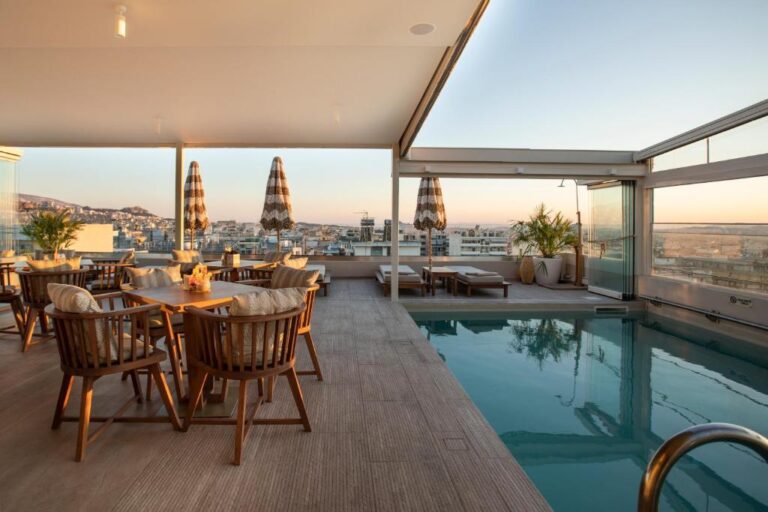
All the main attractions in Vienna are in the city area, or otherwise easily accessible via public transport, so I recommend staying in the city to make exploring easier and more efficient. There are quite a few sustainable and eco-friendly hotels in Vienna, located conveniently in the city centre and close to public transport.