Your trip to the beautiful landlocked country of Austria with its scenic Alpine lakes and mountains is not complete without learning some fun facts, culture, and proper etiquette, such as whether you should still expect to be on time at parties or whether you should remove your shoes before entering someone’s home (the answer is yes to both).
So here are important facts about the culture in Austria, to ensure a pleasant trip for everyone.
Basic facts about Austria
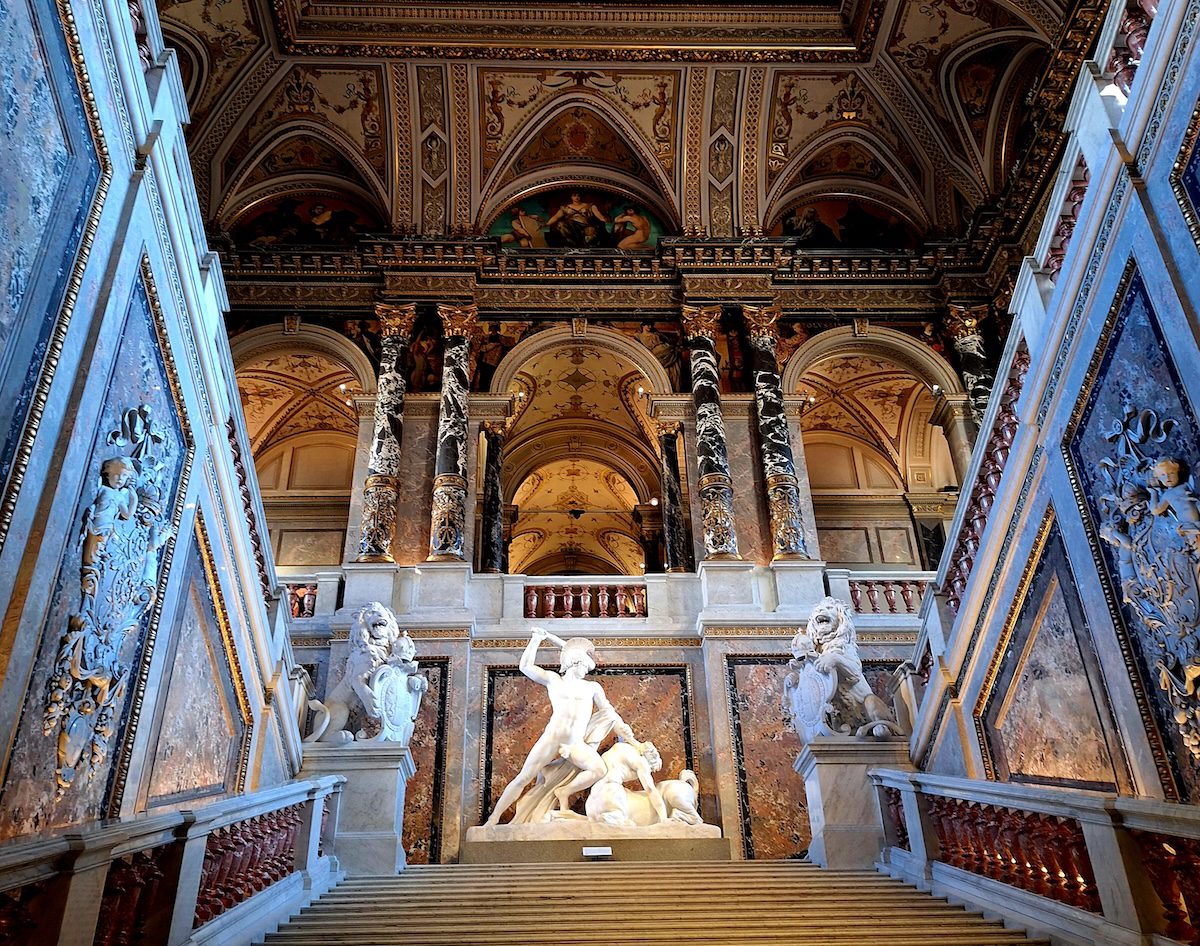
- Capital: Vienna
- Currency: euro
- Official language: German
- Population: about 9 million (72.8% Austrian, 27.2% other)
- Religion: 68.2% Christianity (mostly Catholic), 22.4% no religion, 8.3% Islam
- EU: Austria joined the EU in 1995.
- Driving side: on the right side of the road, much like many EU countries, and the US
- Most popular sports: football and winter sports like skiing
- Main reasons people visit Austria: winter sports, hiking, picturesque villages like Hallstatt
- Basic German words
- Hello: hallo or Guten tag
- Thank you: danke
- Bitte: please/you’re welcome
Fun facts about Austria
1. Austria’s flag is one of the oldest in the world, dating back to the 13th century.
2. Austria is landlocked but has multiple lakes for swimming.
3. Austria is surrounded by 9 countries: Germany, the Czech Republic, Slovakia, Hungary, Slovenia, Italy, Switzerland, and Liechtenstein.
4. Hallstatt is one of the most photographed villages in the world. You can do day trips there from Salzburg or Vienna, though I chose to spend the night and have the village all to myself in the early morning and evenings after day-trippers left.
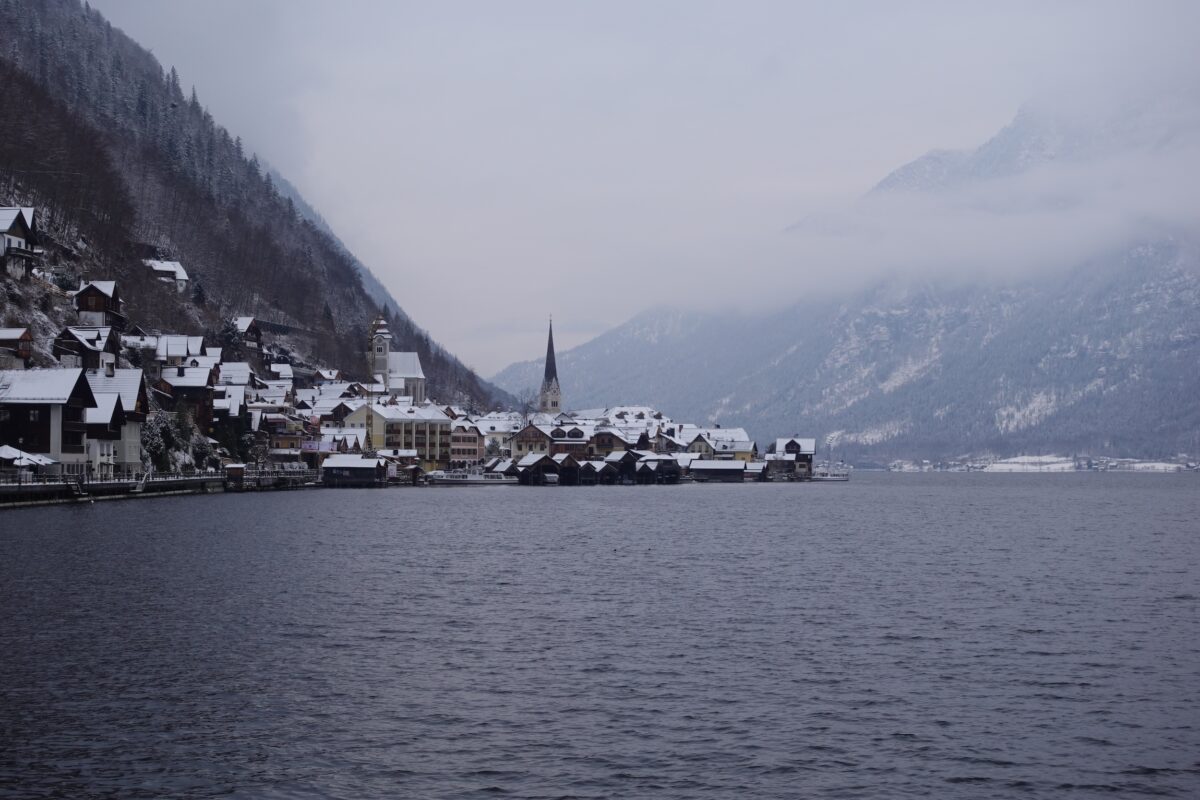
Here’s everything you need to know about visiting Hallstatt.
5. Austria had a very powerful monarchy, the Habsburg dynasty, for 6 centuries, from the 13th century until 1918.
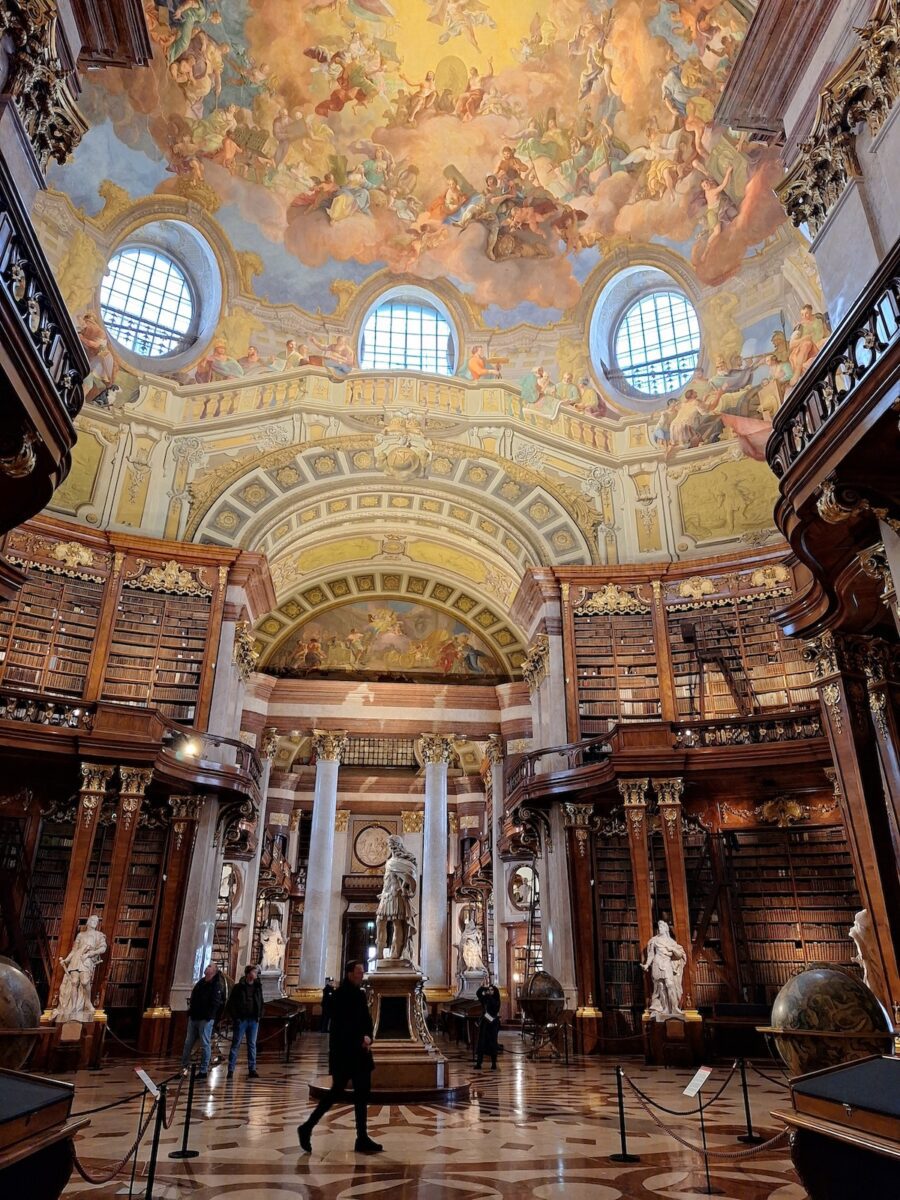
- The Habsburg monarchy ruled over various regions, like modern-day Czech Republic, Slovenia, Slovakia, Hungary, Croatia, and Bosnia and Herzegovina. The Empire was called the Austro-Hungarian Empire. You can see many similarities in the architecture and other things between the two capital cities, Vienna and Budapest, like their Opera houses.
- The Habsburg monarchy collapsed after World War I in 1918, after Emperor Karl I’s abdication, and the various regions within the empire created a revolution for their independence. The Republic of Austria and multiple other countries that were under the empire were established shortly after.
- The Habsburg monarchy heavily influenced Central Europe’s culture, politics, architecture, and arts.
6. The “Sound of Music” movie was filmed in Salzburg in 1964.
7. The sachertorte (chocolate cake with jam in the middle) was invented in the Hotel Sacher in Vienna. You can still have a slice there, at the cafe.
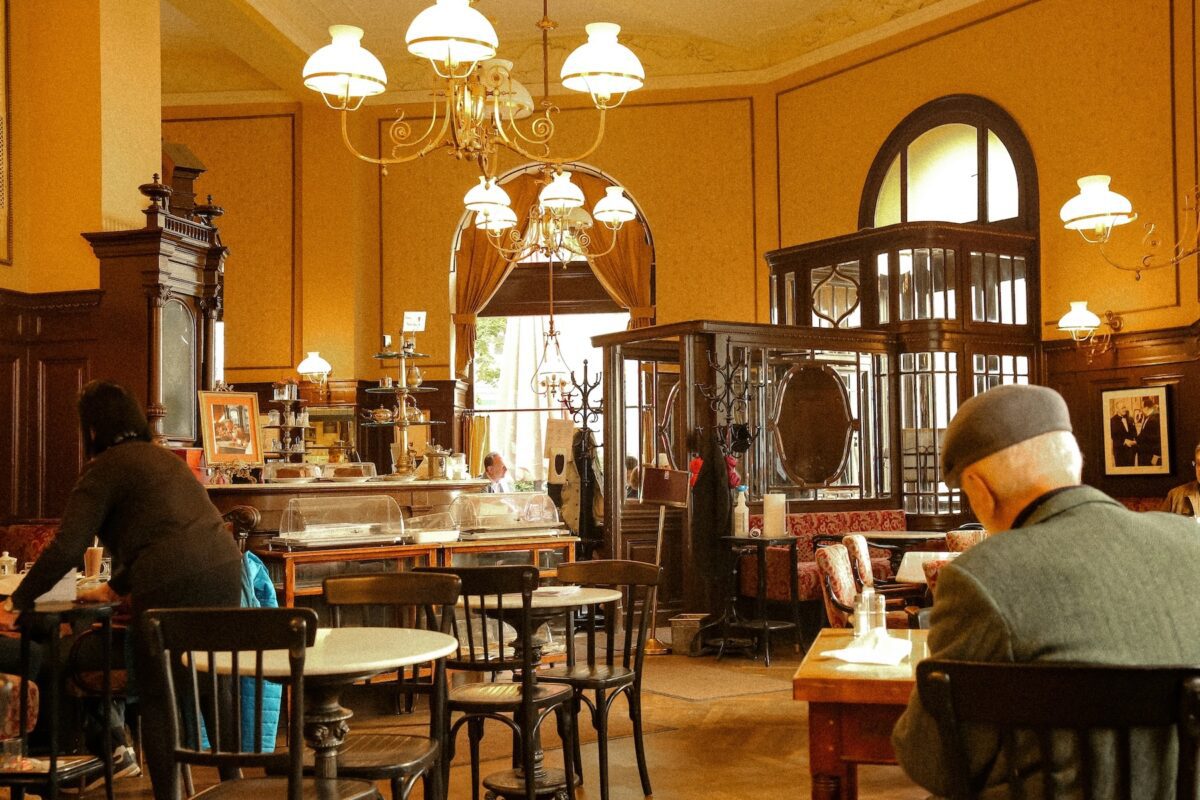
8. Austria has a cute cafe culture, with cakes, pastries, and treats, and the cafes are called Konditorei.
9. Austria is home to many famous people, including the music composer Mozart, the neurologist and founder of psychoanalysis Sigmund Freud, and the actor Christoph Waltz.
10. Formal balls were popular in Vienna during the 18th century, and today, many venues hold fancy balls with specific dress codes. They are open to the public as long as you purchase a ticket.
Culture in Austria: dos and don’ts
Following proper etiquette in Austria means knowing what they consider to be polite. For instance, do you still need to arrive at the designated time for a casual party? Let’s find out.
Social etiquette in Austria: the dos
- Titles and status matter in Austria, so always address people according to their titles, rather than their first names, unless told otherwise.
- Always greet people when entering places of business, whether it’s a shop or restaurant, or bank.
- Never keep people waiting for you; always arrive on time, even for parties. If you’re running late, text them to inform them.
- When meeting new or unfamiliar people, a handshake is enough. A hug is reserved for close friends and family.
- While there’s no strict dress code in Austria, the general consensus is to dress elegantly, even if simple, and not too outrageously. Skip the skimpy outfits or athletic wear unless you’re at the gym (though this should apply everywhere in my opinion).
- It’s customary to remove shoes before entering someone’s home.
Avoid doing this in Austria
- Avoid being loud or obnoxious in Austria. It’s considered bad manners.
- Austrians are generally polite, but curt. Don’t take it personally, and don’t linger in conversations. Avoid small talk and be direct, but polite.
- Avoid getting too personal too fast. Don’t overshare.
- Do not invade people’s personal space.
- Avoid jaywalking and follow traffic rules.
- Don’t stare and don’t take photos of people without consent, though this applies everywhere and not just in Austria.
- Don’t compare Austria to Germany or imply that they’re the same.
Culture in Austria: FAQs
- How do you greet people in Austria?
Greetings usually involve eye contact and a quick handshake. Only hug if you’re familiar with the person, like if you’re close friends or family members.
- Are Austrians generally welcoming to foreigners and tourists?
Austrians are generally polite but not overly friendly unless they have known you for a while. It might take time to integrate.
- What’s the most famous dessert in Austria?
The sachertorte is a popular Viennese dessert. It’s a chocolate cake with jam in the middle and can be quite sweet. Apple strudel is also popular.
- What’s a famous thing to eat in Austria?
One of Austria’s most famous dishes is the schnitzel: deep-fried pork or chicken cutlet.
- Do you need to tip in Austria?
Like most countries, tipping is not part of the culture in Austria. It’s okay to round up a bill to the nearest euro or even add €1-2 euros for excellent service, but no more.