Iceland attracts many visitors every year because of its unique and beautiful landscapes, fauna and flora, hot springs, and volcanoes. Some of the best things to do in Iceland include visiting waterfalls like Gullfoss that seem to disappear into the earth, walking on glaciers (with a guide, of course), seeing the northern lights, hiking down volcanic craters, and spotting wildlife like whales and puffins. Here’s the full list of what to see in Iceland, with sustainable and eco-friendly tips.
If you want an itinerary, I detailed everything about my Ring Road trip in Iceland.
But if you’d rather do an organised tour, here’s a sustainable, eco-friendly Iceland tour.
The top things to do in Iceland
Below is a list of all the best things to do in Iceland, so you get an idea of what your trip will look like.
1. Waterfalls
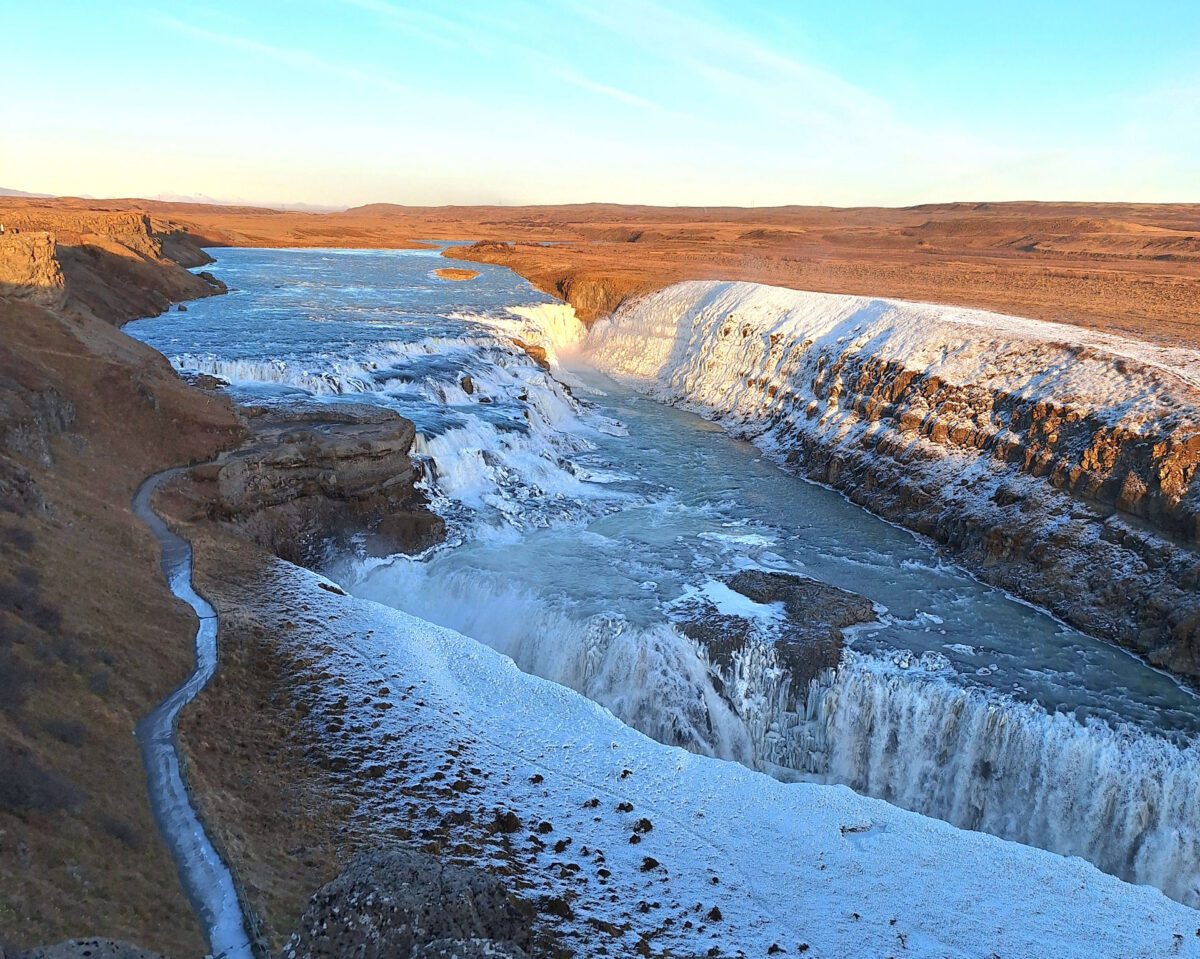
Waterfalls are a major attraction in Iceland, and there are loads of them due to regular rainfall, snow, and glaciers melting. But as I love to say, not all waterfalls are created equal.
Some waterfalls like Dettifoss and Godafoss are strong and powerful, while others like Seljalandsfoss are tall but meek with a thin sheet of water. Waterfalls like Gullfoss (part of the Golden Circle tour) are incredibly popular due to its unique geology and 2-tier levels giving the illusion that the falls disappear into the earth.
And then there are the fairy-like falls such as Hraunfossar, a uniquely Icelandic phenomenon with water sprouting softly from lava rocks at various levels.
With so many types of falls to see, I made a detailed list of the best waterfalls in Iceland worth visiting, in geographical order.
2. Glaciers
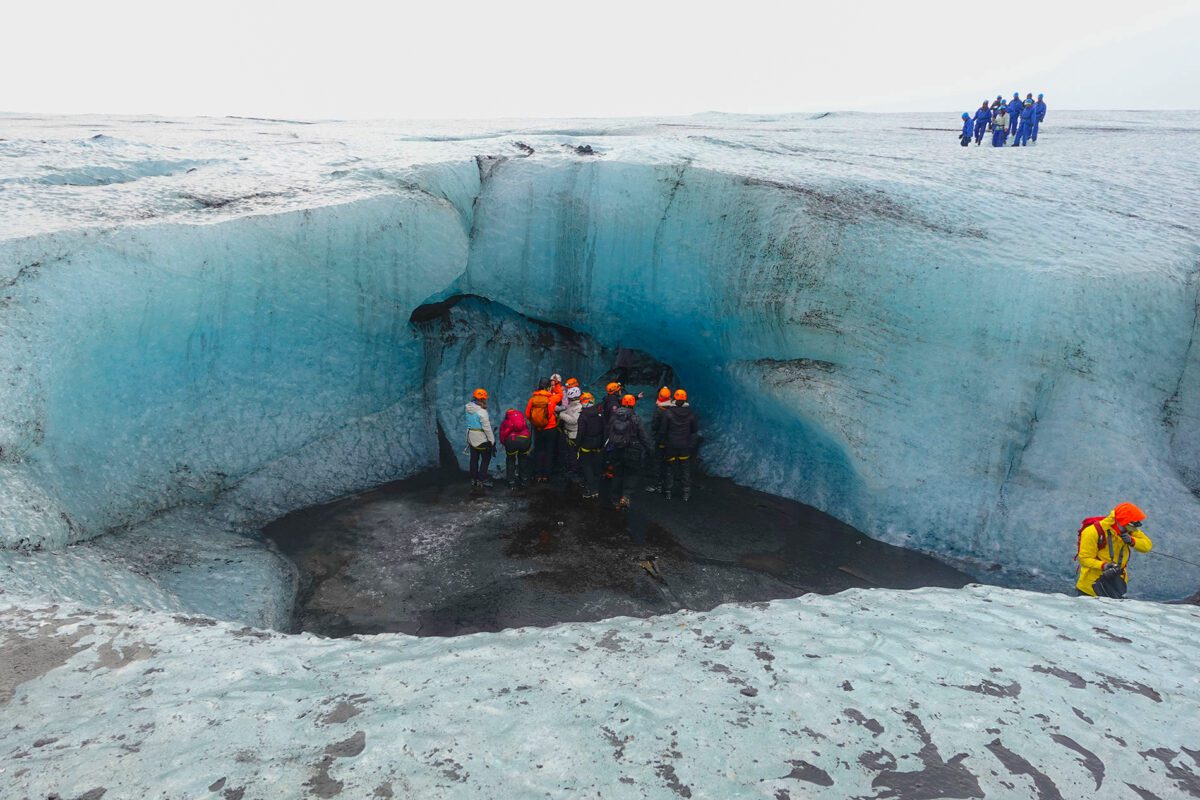
Iceland’s geology and proximity to the Arctic mean that there are plenty of glaciers. One of the best experiences I had was walking on a glacier in Iceland on a guided tour.
Insider tip: Glaciers don’t always look blue or transparent. Sometimes, they are dark with ash, especially in the summer. The best time to see glaciers is in autumn (around October), when the autumn rain has washed away the ash and dirt. Spring is also an option after rainfall.
Eco tip: Walking gently on a glacier with crampons is fine, but I was told that driving on them can damage them.
Here’s my detailed experience with glacier hiking in Iceland.
3. Wildlife and flora
Being such a remote country, it’s no surprise that Iceland is home to untouched, diverse fauna and flora, though most people seem interested in the wildlife rather than the flora, though personally I loved seeing the moss-covered lava rocks.
Eco tip: don’t step on moss. It’s fragile and takes years (sometimes centuries) to recover.
Whale-watching
One of the best things to do in Iceland is to go whale-watching, and the most popular place to see whales is in Husavik (the same town mentioned in the Eurovision Song Contest movie), though you can also see them in Akureyri (North of Iceland), the Westfjords, and along the Snaefellsnes Peninsula. Expect to see humpback whales and minke whales.
Puffins
Another top wildlife activity in Iceland is spotting puffins. While these cute little birds can also be found in parts of Portugal and the UK, Iceland is home to 60% of the world’s puffin population. To see puffins, you have to venture out a bit. The best places to see them are a bit remote, like the Westfjords, Hornstrandir Nature Reserve, Látrabjarg Cliffs, Borgarfjörður eystri, Dyrhólaey, and Breiðafjörður.
Both puffins and whales are seasonal, and you can only see them from late spring (end of April) to the beginning of autumn (September).
Find more details here on the best time to visit Iceland and what to see.
Seals and dolphins
We saw both seals and dolphins by chance on our trip in October, just by driving around the fjords. Both can be seen year-round in Iceland.
Icelandic horses
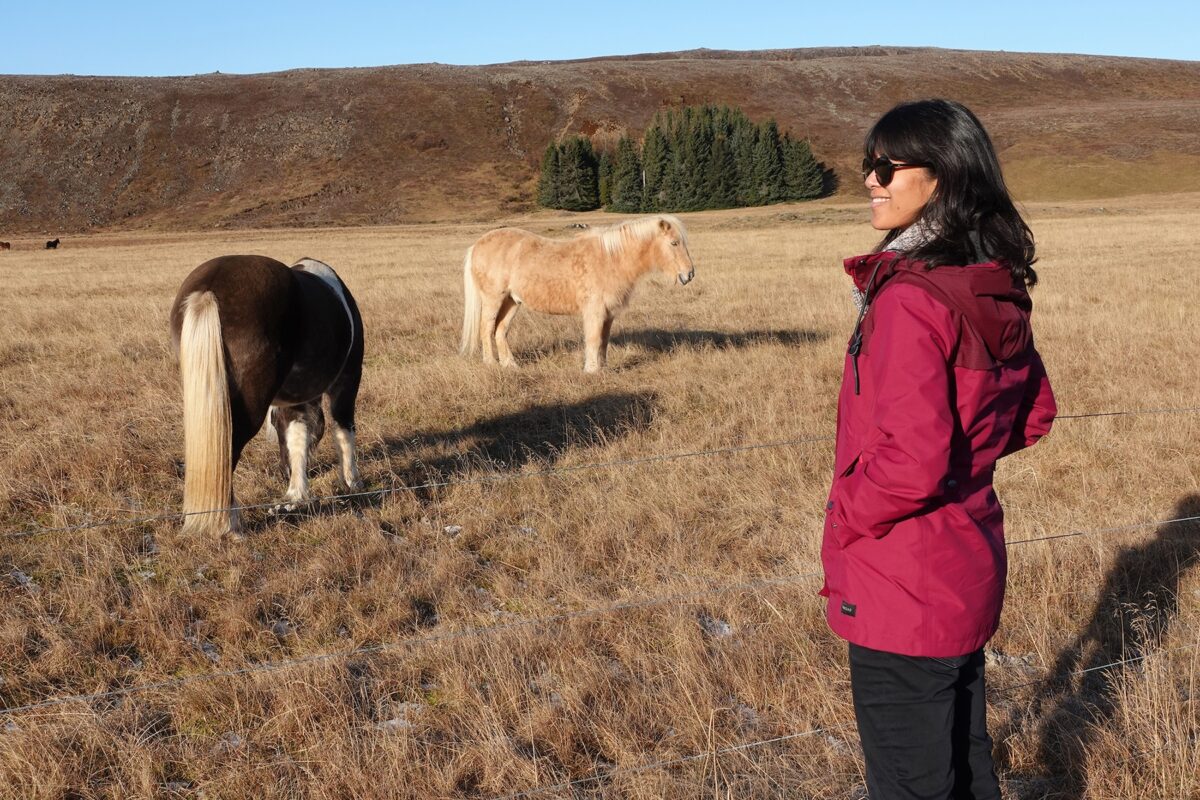
Another cool wildlife activity is horse-riding, because Icelandic horses are a unique breed. They are much smaller than regular horses, and they have 5 gaits rather than 4, making them comfortable to ride.
If you’re not interested in riding the horses, you can have a look at them by driving around, as they usually hang out outside all year on the farms. Just be mindful of horse etiquette: do not feed them, and do not pet them without permission from the owners. Also, don’t call them ponies.
More on Icelandic etiquette here.
Icelandic sheep and dog
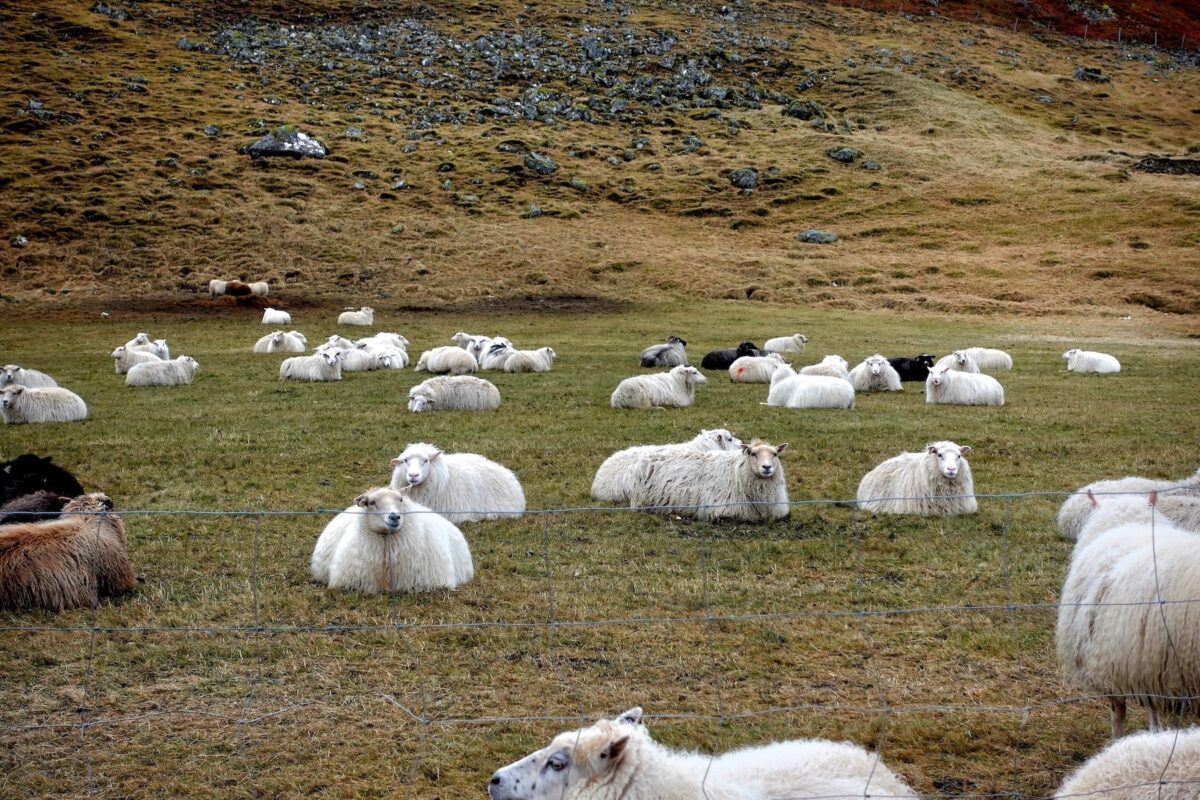
Two other notable animals to see in Iceland are the Icelandic sheep and the sheepdog. Both are unique to the country and very cute and fluffy.
Insider tip: Sheep roam free in summer, so be careful when driving. At the end of summer, farmers gather up their sheep to bring them back to their farms with the help of friends and family. This is called réttir, and tourists can partake in this cultural activity (ask your hotel or accommodation about it).
4. Northern lights
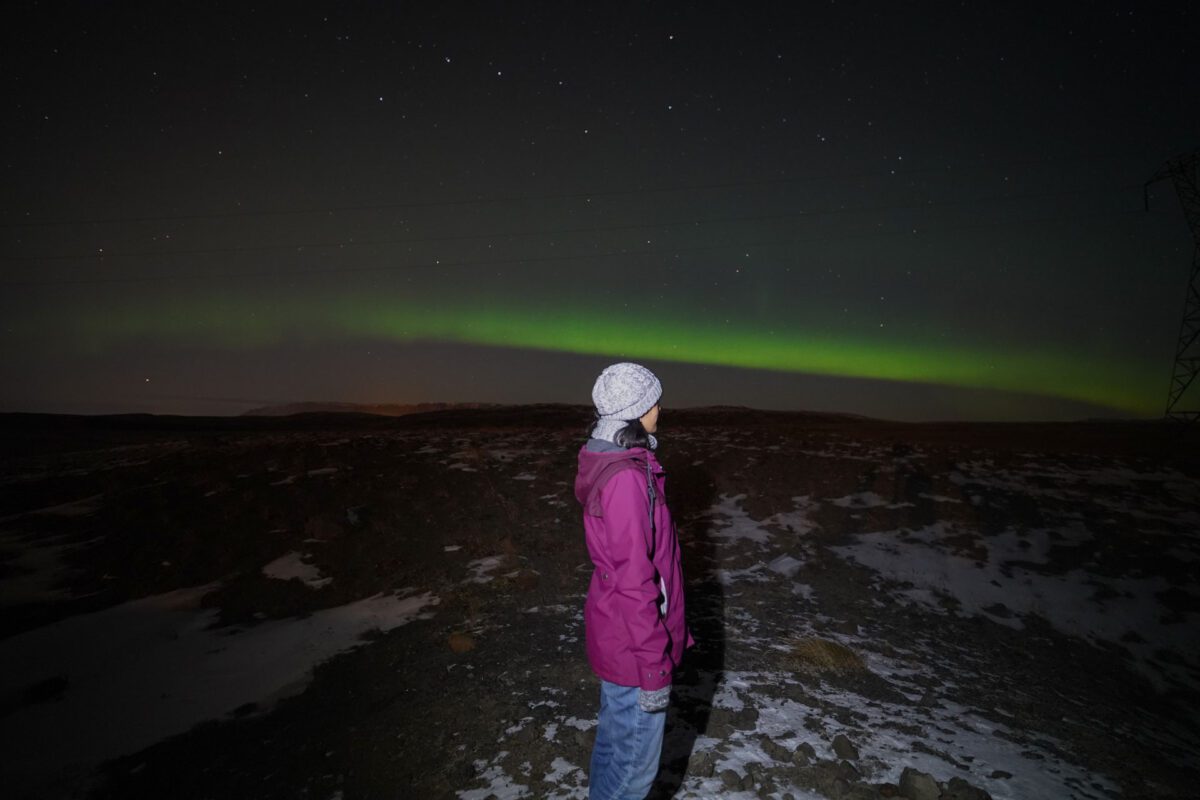
Seeing the Aurora Borealis in Iceland dancing in the sky against a snowy backdrop is a major goal for many. Iceland is a convenient country to see them because you don’t have to venture too far outside of Reykjavik to see them, whereas to see the northern lights in Tromso, Norway or in Abisko in Sweden, you need to fly out to the north of the country or take a very long bus/train journey. Though it’s still best to have a rental car if you do want to drive away from the city lights for higher chances of spotting them.
However, note that Iceland isn’t necessarily the best place for the lights due to regular stormy nights and rain. Without clear, cloudless skies, you won’t see them well.
Insider tip: Have your camera settings ready before the lights appear because sometimes they last for hours, and sometimes they last just a few minutes. The camera captures the light better than our eyes.
Also, note that the lights don’t actually dance that fast in the sky. They do move, but most of those videos on social media are sped up to make it look like that.
5. Hot springs
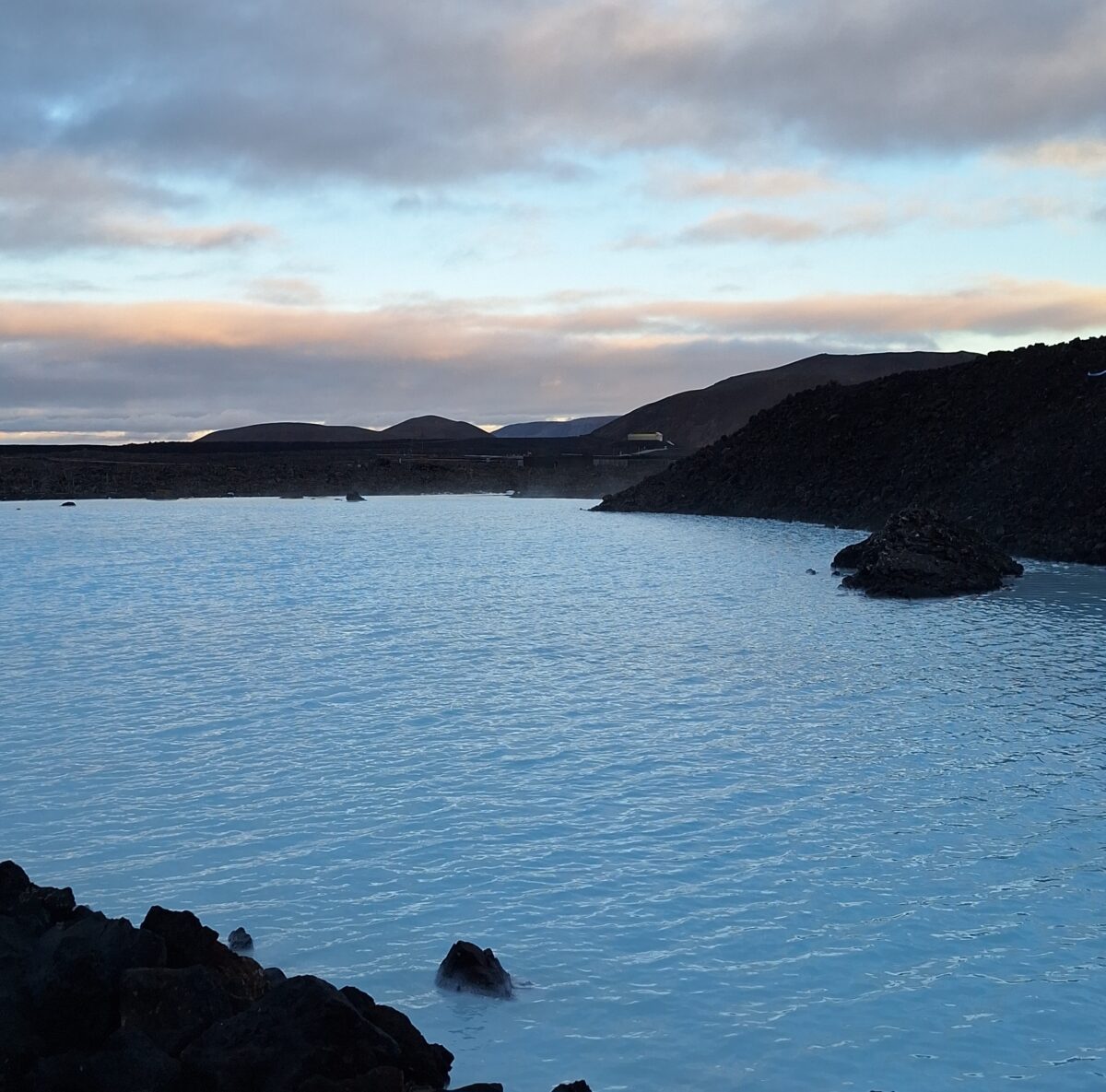
You have undoubtedly heard of the famous Blue Lagoon, the natural hot spring spa with blue water. While the Blue Lagoon is indeed a one-of-a-kind experience, it’s not the only hot spring in Iceland (it’s also quite pricey).
The Secret Lagoon along the Golden Circle route is an excellent alternative to the Blue Lagoon, though it’s no longer a hidden gem.
Insider tip: There are free hot springs that you can access after a short hike, like Reykjadalur. Just bear in mind that there won’t be changing rooms or showers there since it’s all in nature without any facilities.
Eco tip: Remember to respect the rules of the hot springs: don’t take pictures of people, and always rinse before and after.
6. Volcanoes and volcanic activity
Iceland is nicknamed “the land of fire and ice”, the fire referring to its frequent volcanic eruptions. While there’s no guarantee of volcanic eruptions at any specific point in time, people still like to visit Iceland to see its volcanic activity, whether it’s hiking down to volcanic craters or just admiring from the top. The two most popular craters are Kerid Crater along the Golden Circle and Víti Crater in the north.
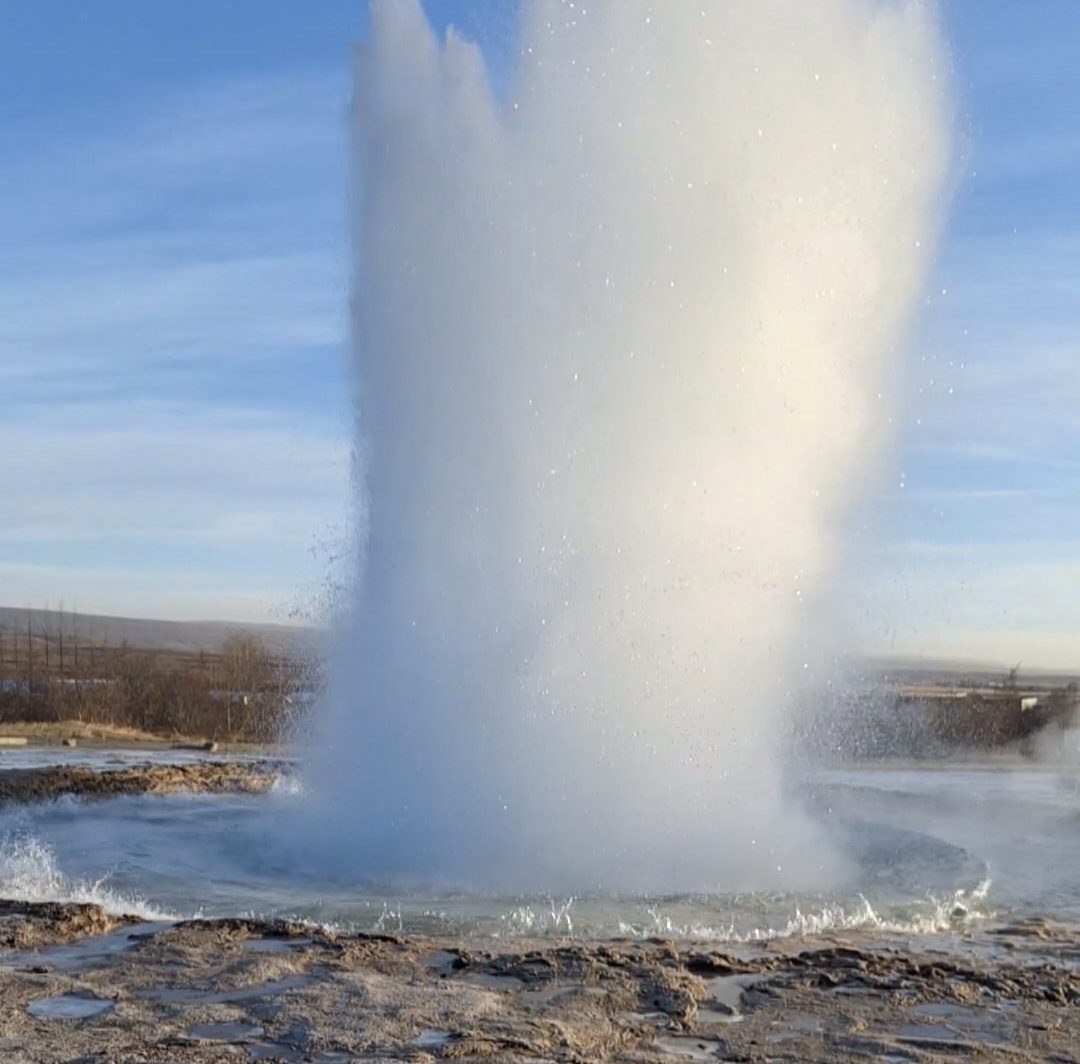
Aside from the volcanoes themselves, geysers result from volcanic activity, just like hot springs. A geyser is an eruption of water and steam when the heat and pressure from underground become too strong. The most popular geyser in Iceland is Strokkur, a main stop along the Golden Circle tour.
7. Beaches
Surprisingly, people do go to Iceland for beaches. But I don’t mean turquoise lagoons with soft white sand — you won’t find those kinds of beaches in Iceland.
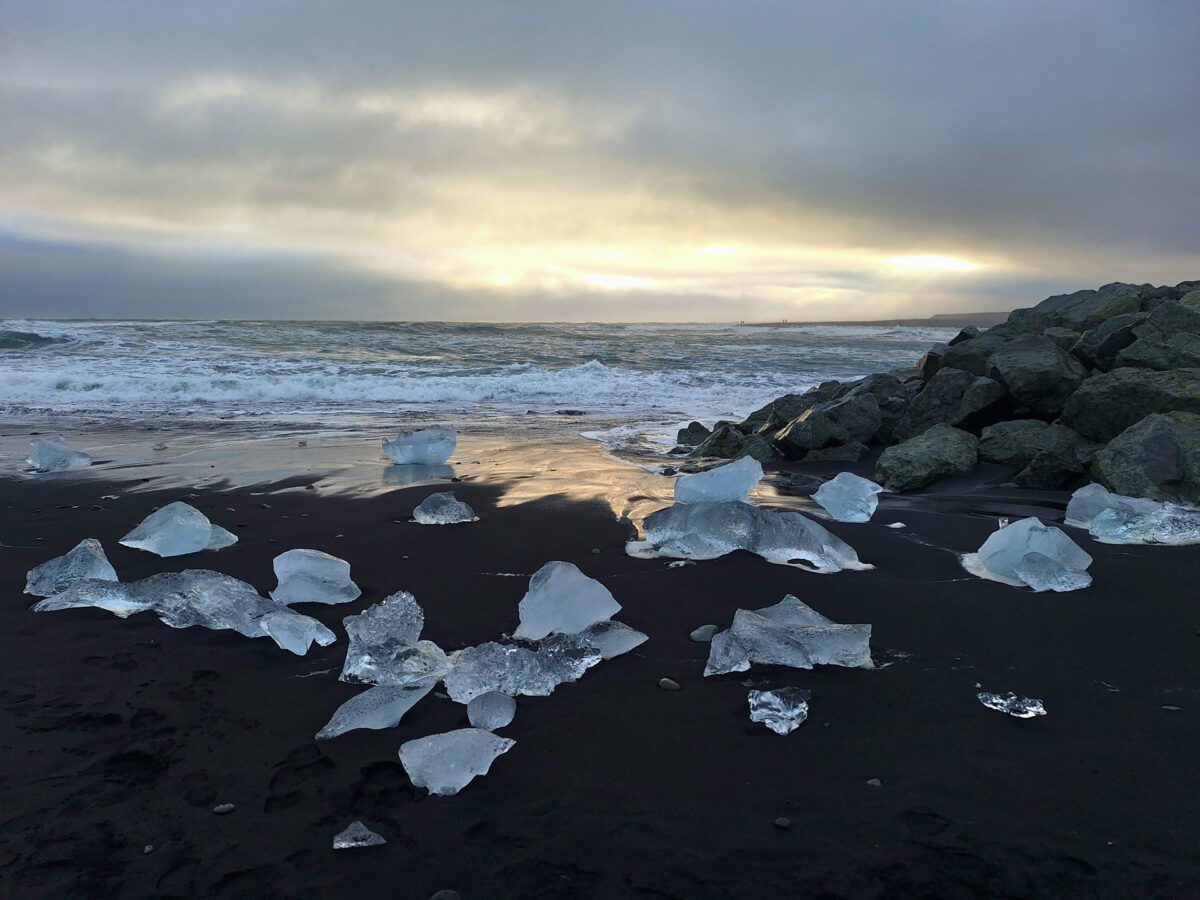
Instead, you will find black volcanic sandy beaches with rock formations floating in the sea, like at Víkurfjara Black Sand Beach, or basalt columns lining up the beach like at Reynisfjara.
Another popular beach in Iceland is Diamond Beach next to the Jökulsárlón Glacier, with large pieces of ice on the sand. When there’s some sun reflection, the ice shines like diamonds. It’s a favourite spot for photography and photoshoots.
Insider tip for the Diamond Beach: there’s a parking fee for this beach on either side. But if you’re planning to visit Jökulsárlón Glacier too, just park at the glacier parking lot (there’s also a fee there) and walk about 5-10 minutes to Diamond Beach to avoid paying for parking twice.
8. The molten lava show
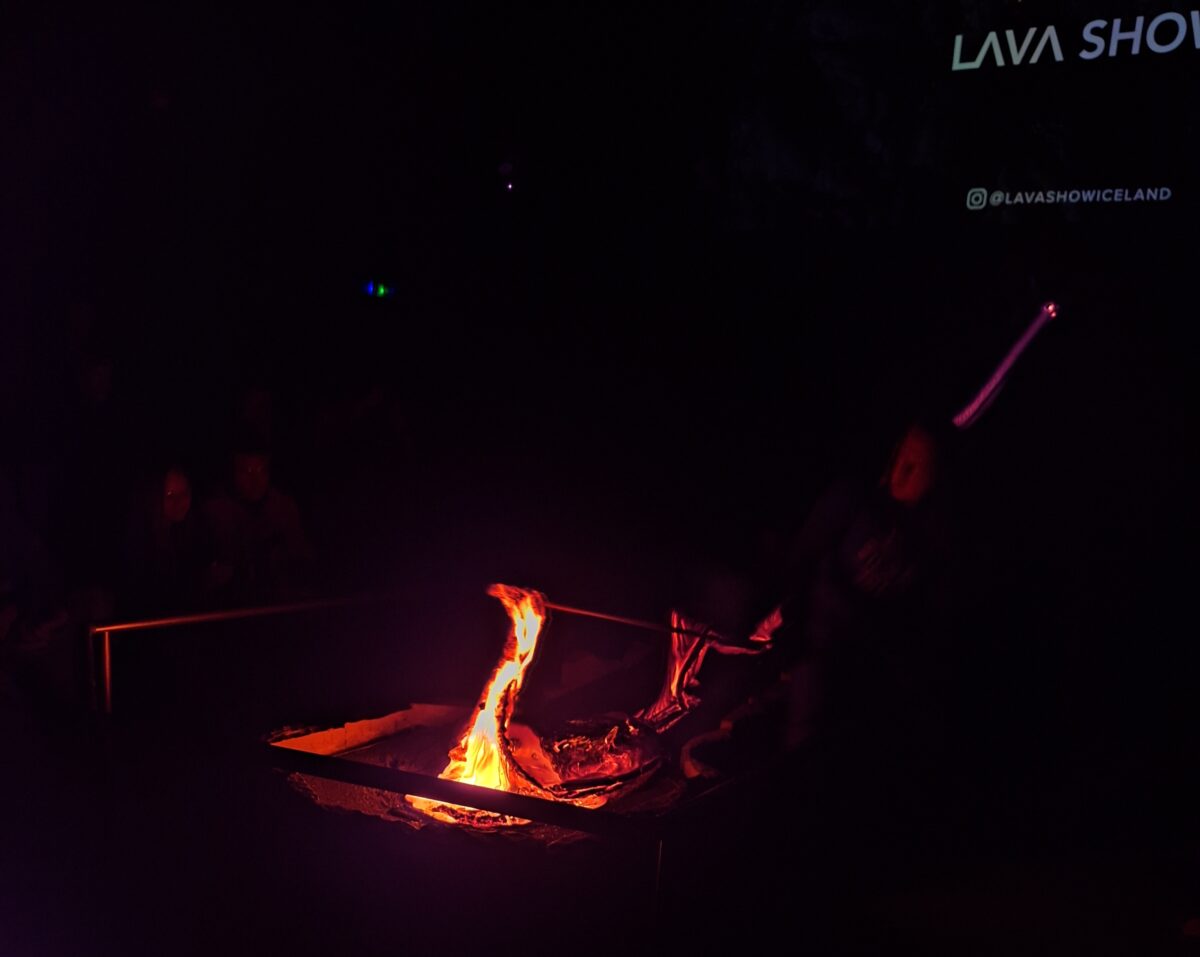
This is not one of the main reasons that people visit Iceland, as most people don’t know about it anyway, but it deserves a mention: a molten lava show. This is one of the best things to do in Iceland as you won’t find this activity anywhere else in the world — the lava show uses real lava from a past volcanic eruption from Vik in the South of Iceland, and melts it down in a controlled environment for the audience to witness lava flowing and hardening.
The molten lava show was founded by an Icelandic family in Vik whose grandparents were directly impacted by the volcanic eruptions in 1918. They opened up a new location in Reykjavik for easier access.
The best things to do in Iceland: FAQs
Why visit Iceland? Is it worth it?
Many people visit Iceland because it offers unique, diverse landscapes that you can’t find elsewhere. The country is worth visiting if you’re looking for unique natural landscapes, various types of waterfalls, geysers, glaciers, and volcanic formations. However, it’s not the place to be for city exploration (although Reykjavik is cool to explore for a day or two), nor is it a foodie or budget destination.
How many days do you need to visit Iceland?
This depends on what you want to see, but if you’re planning to visit the main sights like the Golden Circle, Blue Lagoon, and West Iceland, 4-5 days should suffice. If you plan to do the Ring Road, then I recommend at least 7 days, though the ideal length is 10-14 days.
Can you visit Iceland without a car?
If you’re doing a few day trips near Reykjavik (e.g., the Golden Circle, Kirkjufell, and Blue Lagoon), you can book tours to these places. If you intend on doing the Ring Road or want to explore at your own pace, then you need a car.
Where to see the northern lights in Iceland?
The good news about seeing the northern lights in Iceland is that you don’t need to drive that far out to see them, you just need to drive out of the main city area and find a dark place without light. We saw strong lights an hour outside of Reykjavik, near Gardur.
The bad news is that Iceland’s unpredictable weather, like storms, clouds, rain, and snow, can make it hard to see the lights, especially in the winter months.