This Cambodian city is a popular tourist destination due to Angkor Wat, the main attraction. Most people come for a couple of days just to visit these temples, but in fact there are many more things to do in Siem Reap. Below is a list of the best sustainable activities in Siem Reap for a cultural, entertaining, and relaxing adventure.
Alternatively, have everything organised for you and book a sustainable tour to Cambodia by G Adventures.
While you’re planning your trip, check out the best eco hotels in Siem Reap, and read up on Cambodian culture and etiquette (proper dress codes when visiting temples are very important).
Best eco-friendly things to do in Siem Reap for culture
Angkor Wat and neighbouring temples
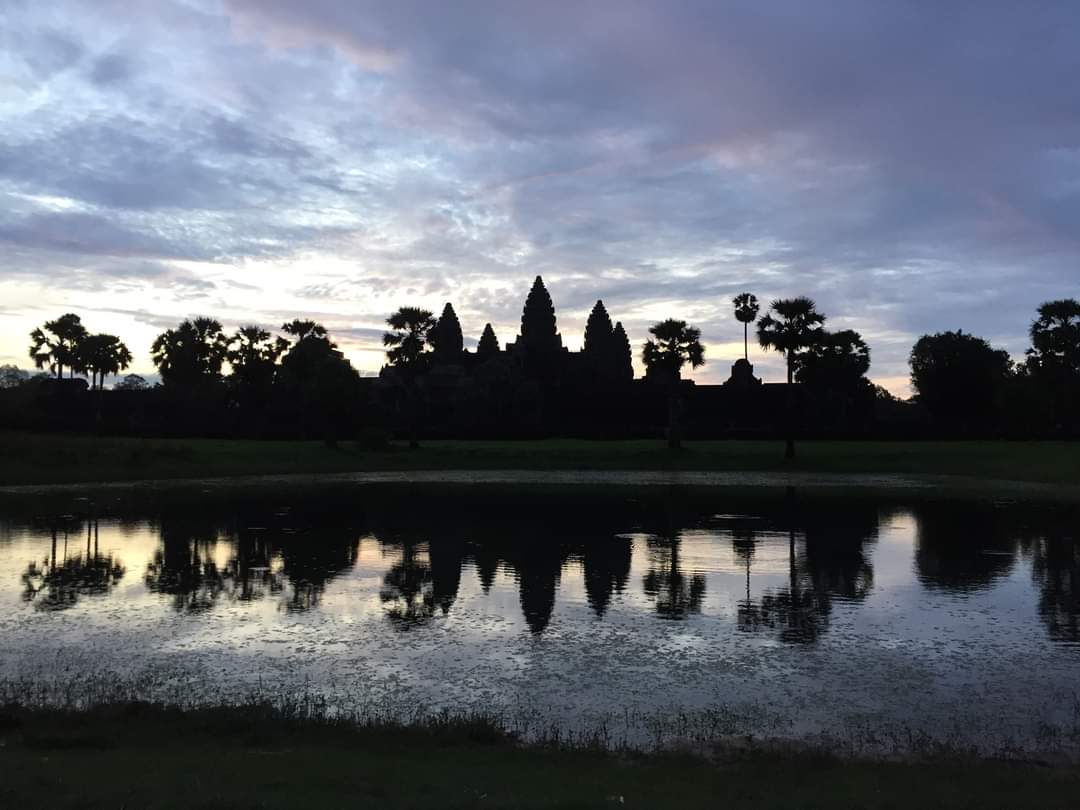
We can’t mention Siem Reap activities and not have Angkor Wat on the list. Most people go there before sunrise and wait for the sun to come up, watching and waiting as Angkor Wat’s silhouette gets lighter as the day brightens.
The UNESCO World Heritage Site is the largest religious temple in the world, and one of the most iconic and significant symbols of SouthEast Asia. The site is 162.6 hectares, or 1.62 km square.
Angkor Wat is a temple city that was originally a Hindu temple for the Hindu God Vishnu, but became a Buddhist temple in the 12th century. Along the temple’s walls you can see the intricate details of Hindu mythology.
Angkor Wat was the capital of the Khmer Empire for about 6 centuries. We recommend getting a guide to truly understand the story and magic of this place.
Fun fact: Angkor Wat is one temple. There are other temples to visit in the Angkor area:
- Bayon (where you’ll see the famous stone faces and bas-reliefs on the temple walls)
- BakhengTemple
- Baphuon Temple
- Banteay Srei Temple
- Preah Khan Temple
Put aside at least a whole day to visit everything, although we recommend 2 days at least so as to not get overwhelmed.
Eco tips: if you want to support the local economy, book directly on the official website rather than with international tour guide companies.
Local tip: Note that there is a dress code to visit the temples. Shoulders and knees should be covered for both men and women, meaning no shorts or anything above the knee, and no sleeveless tops.
Remember that these temples are still monasteries where you might encounter monks, and it’s important to respect these places of worship. Dress appropriately, ask before taking photos of the monks, and do not touch them especially if you’re a woman.
Museums and galleries
Angkor Wat Archeological Museum
To get an even better understanding of the Khmer civilisation and influence, Cambodian culture, and see some historical artefacts, we recommend a trip to the Angkor Wat Museum.
There are various galleries that are easy to navigate, with audio guides available in various languages.
Landmine Museum
About 25 km north of Siem Reap, the landmine museum explains how landmines came into Cambodia (civil war, Khmer Rouge, American bombings, and the Vietnamese occupation).
You can see the landmines and other tools used, and learn about their profound and sad effects on Cambodia and its people, and how we can put a stop to these kinds of atrocities.
War Museum
The only war museum in Cambodia, the Civil War museum showcases the vehicles and other things used during the war, and the guides there are ex-soldiers. The museum provides a lot of insights into what the Cambodian people went through and how it impacted the country.
Тheam’s Gallery
Theam’s Gallery is actually the home of a local Cambodian artist Lim Muy Theam, who transformed a part of it into a gallery and craft workshop. It also has a lush little garden for some tranquillity.
Les Chantiers Écoles
This school teaches the art and techniques of traditional Cambodian skills like silk painting, wood carving, stone carving, and lacquerware. They seek to empower local children from low income backgrounds.
You can visit during the day by joining a free guided tour, and there’s also a shop on site where you can purchase the crafts.
Cooking class
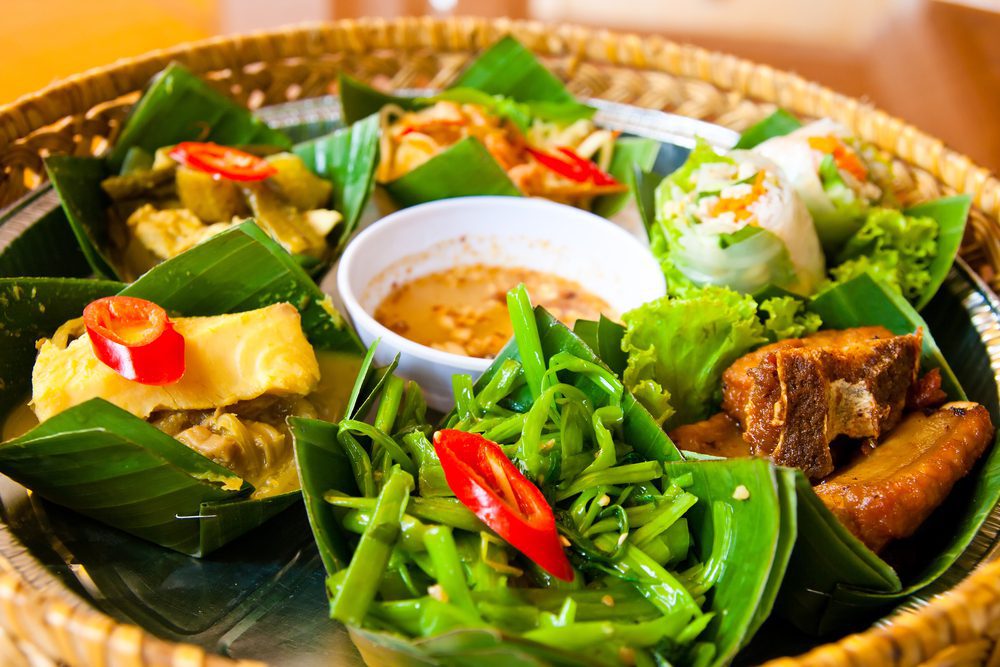
Cambodian (Khmer) cuisine is one of the most underrated cuisines, often overshadowed by its neighbours, Thailand and Vietnam. The cuisine is unique in that it has been influenced by China, India, and surprisingly France, due to being a former French protectorate.
Peace Cafe is an eco-friendly, social organisation that offers cooking classes everyday, as well as yoga and meditation.
Pottery class
There are various options for taking a pottery class in Siem Reap, where you can learn about ancient Cambodian ceramics, and create your own version of Angkorian bowls.
We recommend Khmer Ceramics, a social enterprise that empowers locals and aims to preserve the ancient art and culture of Cambodia.
They use clay as the main material, which is somewhat sustainable as it is easy to remove and process, can be recycled, and is durable.
Apsara dance show
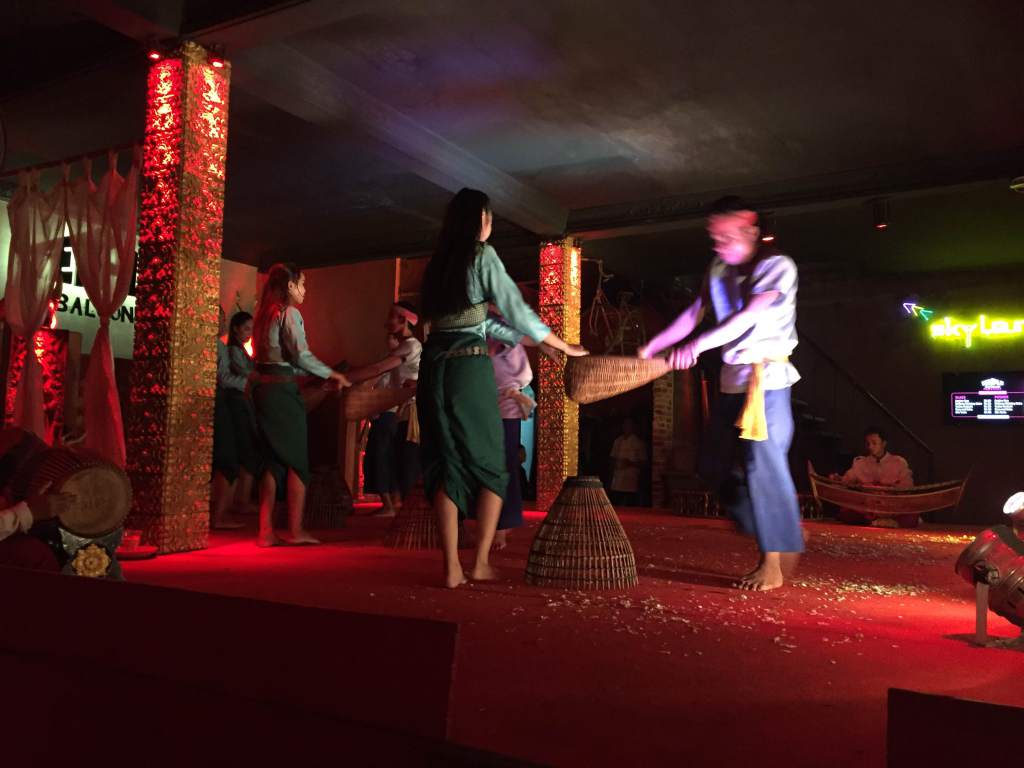
A classical Khmer performance, the Apsara dance tells stories about religion and traditions and helps to preserve Cambodia’s cultural heritage.
Catch the Apsara Dance performance at Siem Reap’s oldest theatre, where you can also grab a traditional Cambodian dinner and snacks beforehand.
Best things to do in Siem Reap for shopping, entertainment, and relaxation
Cambodian Circus Show at Phare
Acrobats, story-telling, dining, and shopping all in one place. But the best part is the revenue generated by ticket sales that allows Phare, a social organisation, to support students and their families. Phare also provides employment opportunities to Cambodian artists, and promotes Cambodian art. The circus performances are done by humans; there are no animals being exploited there.
Siem Reap’s Markets
Markets in Cambodia are a major source of income for locals, and there you can find souvenirs, fruits and vegetables, food, artisanal products, art, etc. Just make sure to check that things are made locally. There are several markets worth visiting:
- Art Centre night market
- Old Market
- Made in Cambodia Market
- Artisans Angkor
- Phsar Leu Thom Thmey
Banteay Srey Butterfly Centre
Visit the Banteay Srey Butterfly Centre for an educational journey into the lives of native Cambodian butterflies. You can explore the tropical garden filled with thousands of butterflies, and there are guides available to answer questions. There’s a net to prevent them from flying away. The butterfly centre is by the Banteay Srei temple, by the Landmine Museum.
Traditional Khmer massage
There are multiple places to get a traditional Khmer massage, but LemonGrass Garden is a sustainable option; they offer vegan and organic products that they grow themselves on their farm, they are plastic-free, and they compost leftover products.
Learn about meditation and spirituality from monks
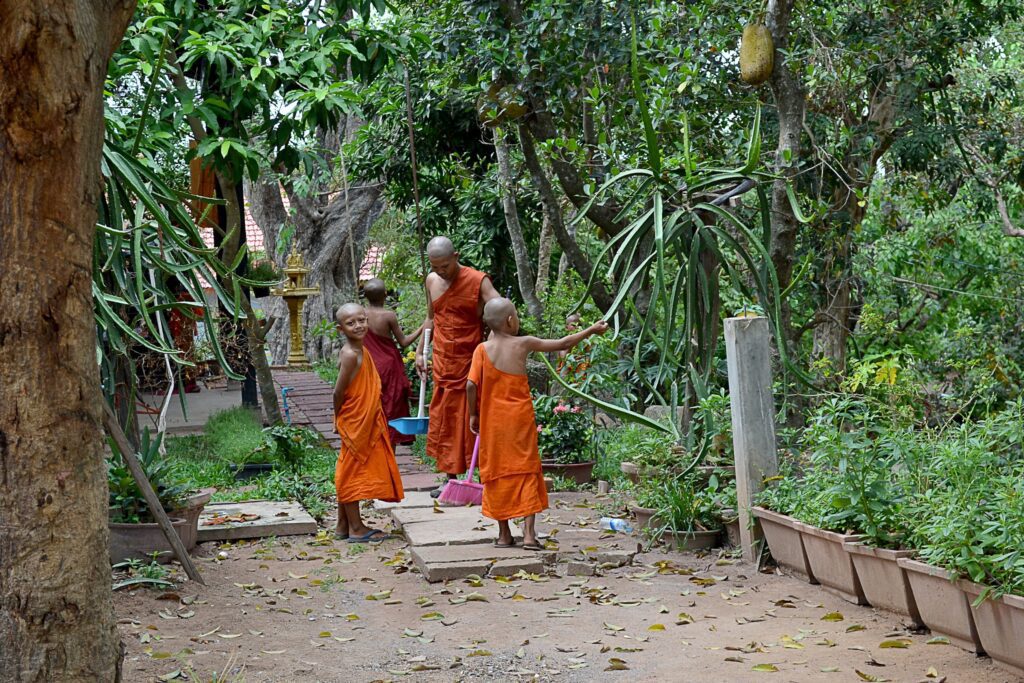
At Peace Cafe mentioned above where you can take cooking classes, you can also meet monks as the cafe organises “meet and greet” events with monks. Feel free to discuss meditation and Buddhism.
Eco-friendly things to do a bit outside of Siem Reap
Cycle around the countryside and explore local villages
Rent a bicycle and explore traditional villages in the countryside where you can meet locals and take a look at how they live, their habits, and their traditions. There are also tours that organise these trips if you’re not keen on cycling, and some such as Nhumbai that empower the locals and allow them to benefit financially from tourism.
Koh Ker for a day trip
Koh Ker was the former capital of the Khmer Empire and was built between 921 and 944 AD. The Koh Ker temple is in the shape of a pyramid with stone carvings along its walls. The temple was looted during civil fights in the 20th century, and a lot of statues were stolen.
Koh Ker is quite far from Siem Reap but you can do a day trip there. It’s about 120 kilometres (75 mi) away from Siem Reap and surrounded by forests.
Our tip: you can skip Koh Ker if you’ve already explored Angkor Wat and the other temples in Siem Reap. You don’t want to get “temple” fatigued.
Phnom Kulen National Park
You will encounter many locals at Phnom Kulen (“Mountain of the Lychees”), where you can enjoy hiking, mountains, waterfalls, a picnic, and lay in hammocks all day. It’s about a 2 hours drive from Siem Reap.
Local tip: You can swim there but remember that Cambodia culture is conservative. Wearing shorts and a t-shirt to swim is recommended, rather than bikinis or speedos.
Popular things to do in Siem Reap that we were not a fan of
Tonle Sap Floating Village
While floating villages in themselves are interesting, the way to get there is by boat, but most of the boat owners are not local nor does the business benefit the local people of Tonle Sap. Moreover, most visitors passing by in boats just float by gawking at and taking pictures of the locals going about their daily lives, without permission. Also, depending on the type of boats used, it can be very polluting. A paddle boat is recommended as it does not cause pollution, unlike a motor boat.
An alternative, and more sustainable way of visiting floating villages is to
- Visit Mechrey, a floating village closer to Siem Reap. Canoe through the floating village and forests. There’s also a floating restaurant there.
- Visit Kampong Khleang floating village. It is less touristy and the tourism economy actually benefits the locals as they own the transportation modes.
Pub street
The party street is full of drunk backpackers and really loud music. This popular street has a lot of restaurants, bars, and clubs, but also persistent locals hanging around trying to forcefully sell things.
An alternative to Pub Street if you still want to go out and enjoy some music is to go Street 10 where you will find small-scale bars, converted from tuk-tuks, with some lights and chill music.
Exciting but polluting adventures
Helicopter tours are a fun way to see Siem Reap from above, but helicopters create so much air pollution that we decided we didn’t need to do one. Seeing the temples up close was good enough.
FAQs
- What is Cambodia famous for?
Cambodia is home to Angkor Wat, the largest religious structure in the world, and the country’s most popular tourist attraction.
- Is it cheap to visit Cambodia?
Cambodia is a relatively affordable destination, even when compared to its neighbours Thailand and Vietnam.
- Can you drink tap water in Cambodia?
No, it is unsafe to drink tap water in Cambodia.
Our final thoughts
There is so much to do in Siem Reap that we recommend staying longer than a few days, in a sustainable hotel of course. It’s true that Cambodia is an impoverished country with an atrocious history of war, but there is so much beauty and interesting culture to explore. As long as we can have a positive impact and empower locals while contributing to the economy, why not spend a week or more exploring Cambodia outside of Angkor Wat?
But before you go, make sure to check out the cultural facts and etiquette for Cambodia.