Years ago, I lived in Malaysia as an international student, and since then I’ve visited regularly. It is one of my favourite countries, but surprisingly not on many tourists’ radar, especially compared to its more popular neighbours like Thailand and Vietnam. This means the country is not overcrowded with tourists, which is great for a more genuine experience, and fairer prices.
But Malaysia has plenty to offer, whether it’s for foodies, beach vacationers, nature lovers, and those looking to learn about the culture. For instance, Sabah is abundant in unique wildlife, gorgeous beaches, and diverse marine life, better than the Great Barrier Reef in Cairns, Australia. But before you go to this beautiful, underrated country, it’s important to read up on the important facts about Malaysia, as well as Malaysian culture and etiquette, to ensure a positive experience for everyone.
PS: Malaysian food is my all-time favourite cuisine in the world. I suggest going on a walking food tour in Kuala Lumpur to see what I’m talking about.
What are the essential facts about Malaysia?
Introductory facts about Malaysia
- Location: Malaysia is located in Southeast Asia, right above Singapore and below Thailand, and consists of two parts: Peninsular or West Malaysia (mainland) and East Malaysia.
- East Malaysia consists of Sabah and Sarawak, both forming part of the Island of Borneo.
- The official language is Bahasa Malaysia (unofficially referred to as Malay), but English is widely spoken as it is a compulsory subject in school. Other languages include Mandarin and Tamil.
- Capital city: Kuala Lumpur
- Currency: Ringgit
- Ethnic groups: Malaysia’s ethnic groups consist primarily of Malays, Chinese Malaysians, Indian Malaysians, and indigenous minorities.
- Many tourists make the mistake of calling everyone from Malaysia “Malay”. All Malays are Malaysians, but not all Malaysians are Malay.
- Religion: Malaysia has freedom of religion but is still predominantly a Muslim country (Sunni Islam), practised by the Malay population. Other religions include Buddhism, Christianity, and Hinduism.
- Driving side: left
- Basic words to know:
- Hello: Hello
- Yes/no = Ya/tidak
- Goodbye = Selamat tinggal
- Thank you = Terima kasih
- You’re welcome = Sama-sama
- How much: Berapa
Malaysia’s geography and climate
- Malaysia’s climate is humid and tropical, with temperatures ranging from 25°C to 35°C (77°F to 95°F) year-round.
- There are 2 seasons:
- In West Malaysia: wet season from May to September and dry season from October to April.
- In East Malaysia: wet season from October to February, and dry season from March to September.
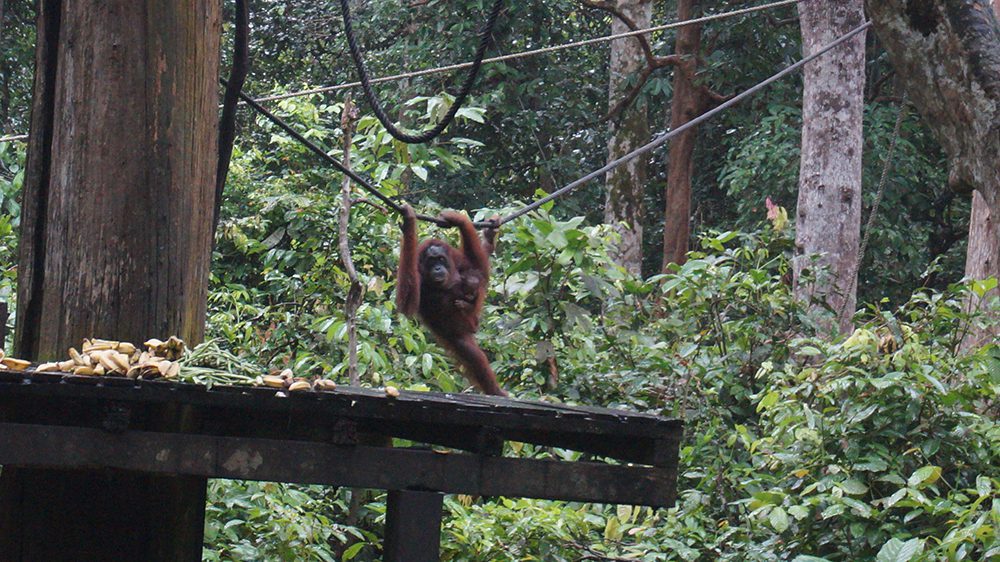
- Malaysia has a very diverse landscape: you can find lush rainforests, tropical islands, rivers, coastlines, and mountains to explore. This also means endemic species such as orangutans, Malayan tiger, pygmy elephants, and abundant marine life.
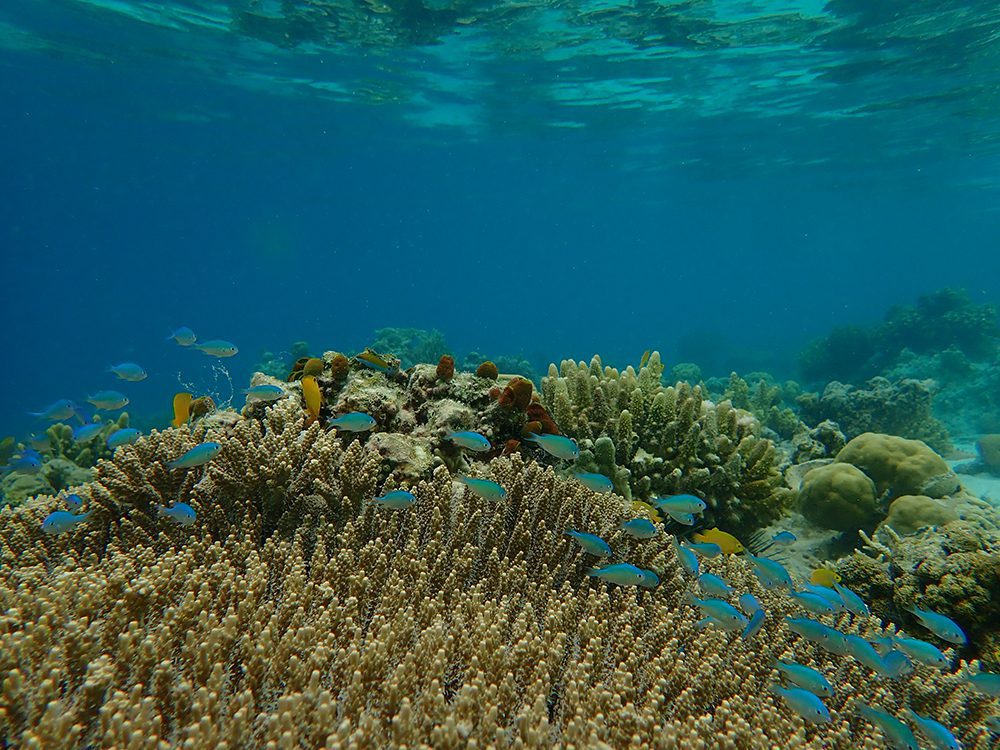
- Sabah is abundant in wildlife, and the beaches are so beautiful. We did a snorkelling trip from Semporna and saw such beautiful sealife, it was like we were in an aquarium.
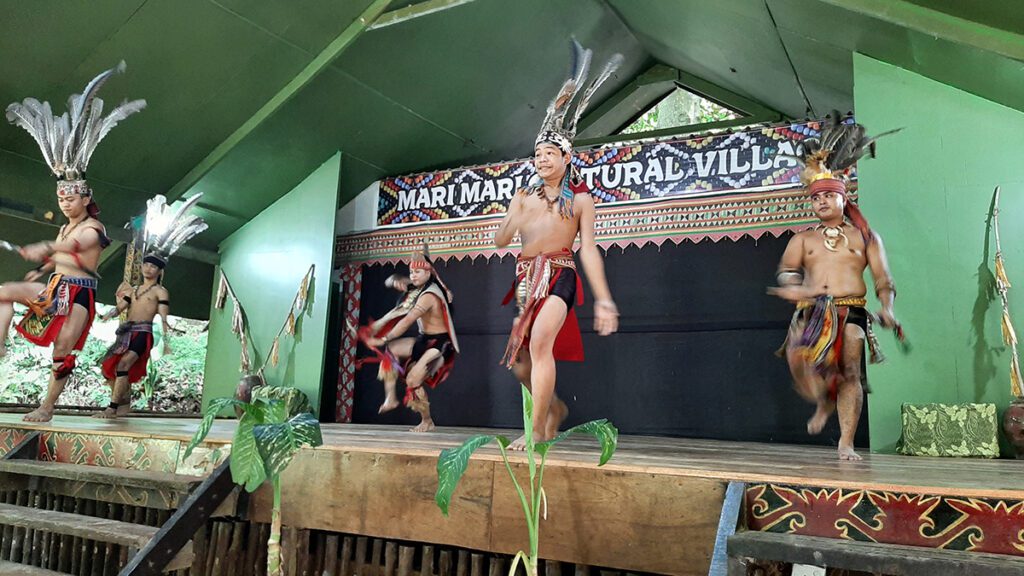
- We also did a cultural experience with the Mari Mari, where we learned more about the indigenous people of Sabah
- Malaysia has the highest number of king cobras in the world, and the longest one ever found was in Malaysia (5 m 71 cm).
Malaysian economy
- Malaysia is one of the most affluent South East Asian countries, with a diverse and developed economy.
- It used to be mostly agricultural, but is now big on manufacturing electronic products, which contributes greatly to the economy. This also marks Malaysia’s place as an innovative and technologically advanced country.
- Other sectors include tourism, finance, telecommunications, and exporting palm oil, rubber, petroleum.
Malaysia’s political system
- Malaysia is a constitutional monarchy and has a king and queen, but is also a parliamentary democracy. This means that the king and queen do not make laws and regulations on their own, but with input from the government.
- The King is the ceremonial head of state, elected every five years from the nine hereditary rulers of the Malay states.
- The Prime Minister is the head of government, and is responsible for executive decisions.
Famous landmarks and attractions
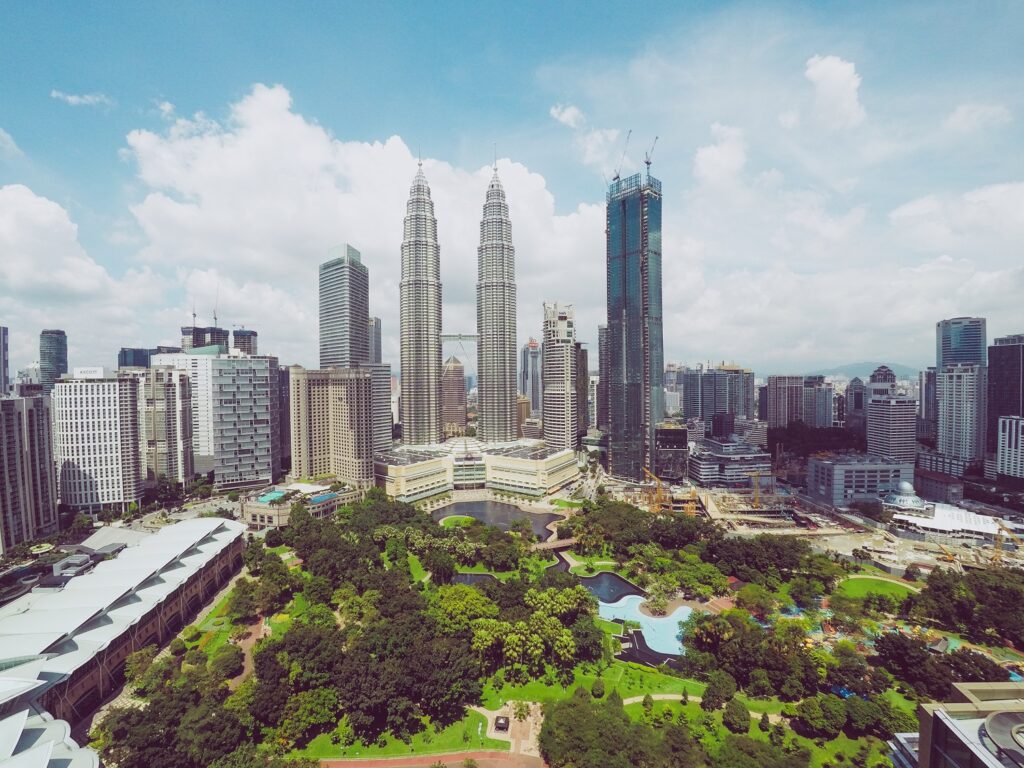
- The Petronas Twin Towers, also referred to locally as KLCC due to its location by the KLCC mall, is a pair of skyscrapers with 88 floors and a bridge connecting them. It’s the most popular landmark of Kuala Lumpur.
- The Batu Caves are located near Kuala Lumpur, and are made up of complex Hindu temples found within limestone caves.
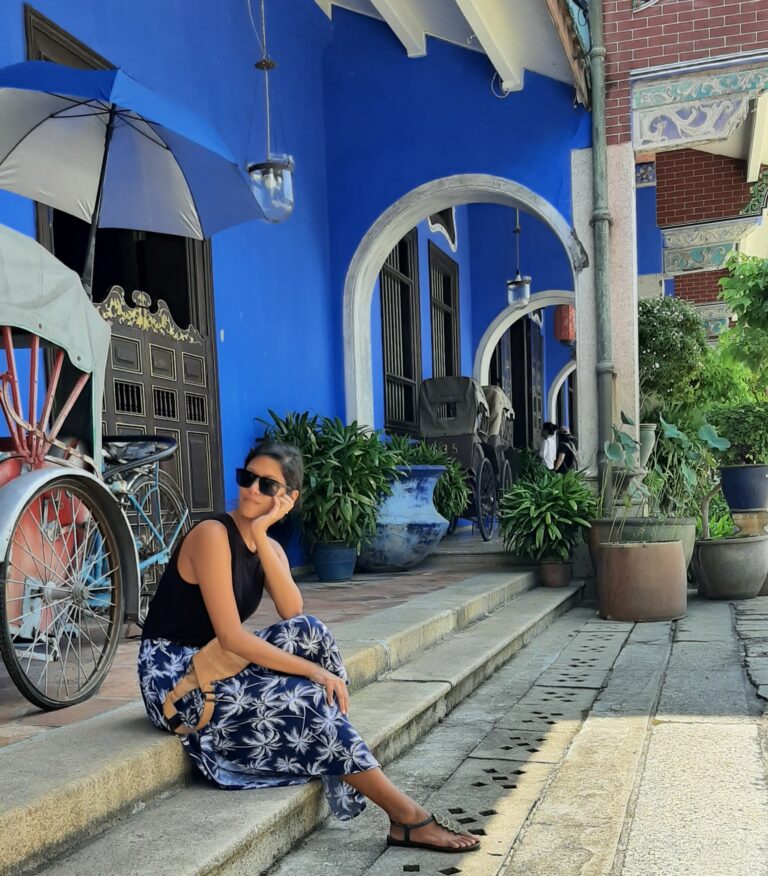
- Penang is a UNESCO heritage site, about 4-5 hours by bus from KL. It’s a lovely town rich in history and known for amazing food.
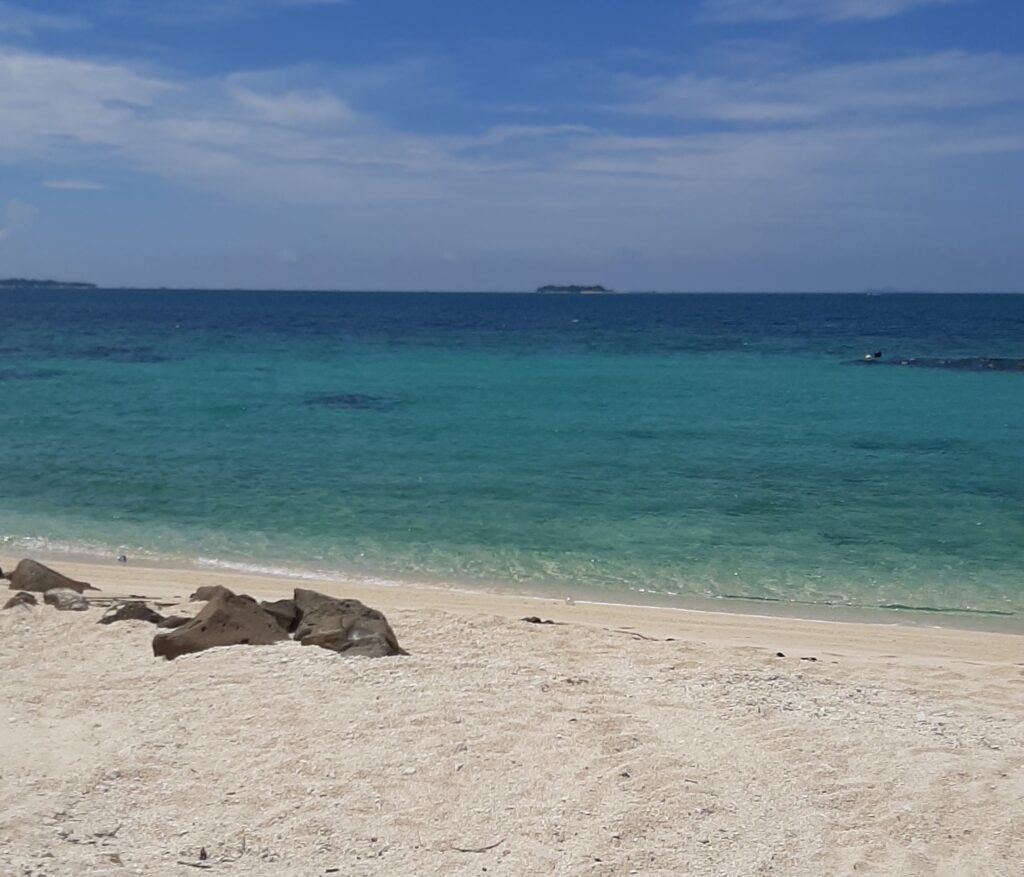
- The islands of Tioman, Perentian, and Redang are popular for their beautiful beaches and turquoise lagoons. Langkawi is another popular island destination, on the west side of Peninsula Malaysia, but from personal experience, it’s not nearly as beautiful as the other islands mentioned.
- Malaysia is home to the world’s oldest tropical rainforest, Taman Negara.
- Sabah in East Malaysia is part of Borneo Island, and is a major attraction for nature lovers and wildlife enthusiasts, as well as divers. We spent about 2 weeks in Sabah observing endemic proboscis monkeys, orangutans, swimming among the most colourful corals, and watching sea turtles lay eggs. Please be mindful of not touching and getting too close to sealife.
Understanding Malaysian culture
I have to admit, when I lived in Malaysia as an emerging young adult, there were things I found challenging. My main qualm was the double standard: women who looked like obvious tourists (aka Caucasian) were not as catcalled or stared at as much as women who were perceived to be Malaysians, particularly Malay.
And while this still bothers me, as a more seasoned traveller I also understand my responsibility as a tourist. Reading up on the culture and observing proper etiquette is a big part of being a conscious and sustainable traveller, particularly in more conservative countries like Malaysia.
Malaysia is a cultural melting pot, with the majority groups being Malays, Malaysian Indians, Malaysian Chinese, and a minority of Indigenous population.
This ethnic diversity came about due to several factors:
- Location and trade routes: Malaysia has been a hub for trade for many centuries, thanks to its location along important sea routes. This has led to many people from different parts of the world settling in Malaysia, particularly Chinese, Indian, and Arab traders.
- Malaysia was colonised by the Portuguese, Dutch, and British at various points in time. This contributed to an influx of immigrant labourers, and new customs and traditions.
- Modern migration: Malaysia’s innovative and economic development has attracted a lot of expats and immigrants in the past years, mostly from other Asian countries.
- Aside from immigration and settlement from centuries ago, Malaysia has a diverse range of indigenous population with their own culture, language, and traditions. The largest indigenous groups are the Orang Asli, the Orang Ulu, and the Anak Negeri people, and they live mostly in East Malaysia.
- Malaysia’s harmonious blend of cultures and unified sense of national identity allows the various groups to coexist peacefully together, leading to intermarriages between different ethnic groups that also contribute to Malaysia’s diversity. If you hear “Chindian”, it means someone who’s a mix of Chinese and Indian origin.
The most important facts about Malaysia and Malaysian culture
Malaysia places a lot of importance on:
- Courtesy: you will find most Malaysians to be friendly and polite, particularly outside of the big cities.
- Respectful and inclusive: Malaysia’s multi-ethnic and multi-cultural mix works because the people of Malaysia are very respectful towards each other’s religions, customs, and traditions.
- “Budi”: while this is a Malay word and concept, it’s something that all Malaysians follow. It means gentleness and discretion, implying that people should behave modestly, politely, and not be loud, aggressive, or abrasive.
- Collectivism: Malaysia is a collectivist society, where the group’s needs and interests take priority over the individual’s.
- Face: This is a concept embedded in most Asian cultures, including Japan and South Korea. Face is connected to someone’s self-respect, reputation, and honour. To lose face is to feel shame, so people ensure to follow appropriate behaviour and etiquette in order to avoid losing face.
- Social hierarchy: Education level, job title, and status, all matter in Malaysia, because social hierarchy allows people to adjust their behaviour according to whom they are interacting with. For instance, people can be more casual with a coworker or friend, but would behave differently and show a greater amount of respect to their grandparents or manager. This also means that people who have more wealth tend to show it off, to convey their status.
- Indigeneity: Malaysia distinguishes between the “original” habitants and those that immigrated centuries ago. The original habitants are referred to as Bumiputera, and are the Malays and indigenous populations such as Orang Asli. Unfortunately, the Bumiputeras tend to get privileged treatment in many aspects (politics, public, and private sectors, including priority acceptance in universities), and this creates tension between them and the Indian and Chinese Malaysians.
There are also differences in customs and expectations between the different ethnicities.
- Family-oriented. Malays are more family oriented than the other groups, and this and relationship building tends to take priority over economic and financial goals.
- Islamic influence:
- Malays and those of the Muslim faith dress modestly, though not all Malay women choose to wear the hijab. However, you will easily see non-Malay Malaysians wearing shorts and sleeveless tops, because they are not expected to follow the same rules. But despite the different dress code expectations, everyone still dresses with a certain modesty. For instance you will not see women wearing very tight clothes or showing cleavage.
- The same goes for alcohol and pork consumption: it’s prohibited for Malays but not for other ethnic groups. Drugs, however, are prohibited for everyone, and getting caught with drugs (including weed) has serious consequences.
- You won’t easily find menus with pork in Malaysia, unless at Chinese restaurants. Everywhere else is halal and does not serve pork. Even pepperoni tends to be made with chicken or beef.
- Hard work and resilience: Chinese Malaysians are known as the hard working bunch, rarely taking vacation and not closing their business except for Chinese New Year.
- Arts and crafts: while the urban areas are big on architecture, technology, and innovation, the indigenous communities are known for their artistic excellence. Woodwork, embroidery, pottery, and weaving are the most common crafts.
- LGBTQ+ rights: Malaysia follows Islamic (Sharia) law as well as secular civic law, so homosexuality is technically illegal. There are no laws and systems in place to protect the LGBTQ+ community. However, urban areas like Kuala Lumpur and Penang are actually very welcoming to LGBTQ+ members, who can and do live in Malaysia, and there are many gay-friendly bars and venues. It’s important to note that it’s more challenging for LGBTQ+ members who are Malay compared to the Chinese and Indian population.
Specific Malaysian etiquette to follow during your trip
General etiquette to follow
- Use the right hand to eat and to give and receive things. The left hand is considered dirty in Islamic culture (because that’s what you would technically use to wipe yourself).
- Tipping is not expected in Malaysia.
- Bargaining at markets is normal, but in a respectful and friendly manner.
- Remove your shoes when entering someone’s house.
- The head is considered sacred, so avoid touching someone else’s head or passing things over their head.
- It’s considered impolite to walk between 2 people having a conversation, but if inevitable, bend your body and head slightly as you walk.
- At social gatherings, it’s ok to be a few minutes late.
Greetings and communication
- Malay women might not be comfortable with physical touch when greeting a man, whether it’s a kiss on the cheek, a hug, or a hand shake. A little bow of the head with the right hand on the heart is preferred, but if in doubt, let them approach you first. This applies to Malay men greeting a woman too.
- Bring a small gift when going to someone’s house. Fruits, food, and souvenirs make good gifts, but should not be ostentatious, as Malaysia has a reciprocity culture and the receiver would feel the need to buy something in return (more on gifts below).
- Gifts should not be open in front of the giver.
- Since social status and hierarchy is important in Malaysia, greet people by the appropriate title. There is also an emphasis on respect towards the elderly.
- Do not point with your fingers and definitely not with your feet.
Etiquette when eating
- Eat with your right hand.
- Always make sure to wash your hands before eating and before serving someone.
- Most people eat with utensils (forks, spoons, knives, chopsticks), although some dishes/meals such as roti canai usually require use of the hands.
When in public
- Avoid PDA (public displays of affection) even if you’re married.
- Do not speak loudly or aggressively.
- If someone makes a mistake, point it out discreetly and politely to avoid making the person lose face.
Religious sensitivity
- During the fasting month of Ramadan, try to avoid eating, drinking, and smoking directly in front of Malays.
- Talk softly and avoid PDA at religious sites.
- Dress modestly and cover shoulders, cleavage, and knees when visiting religious sites, whether it’s a mosque, church, pagoda, or a Hindu temple.
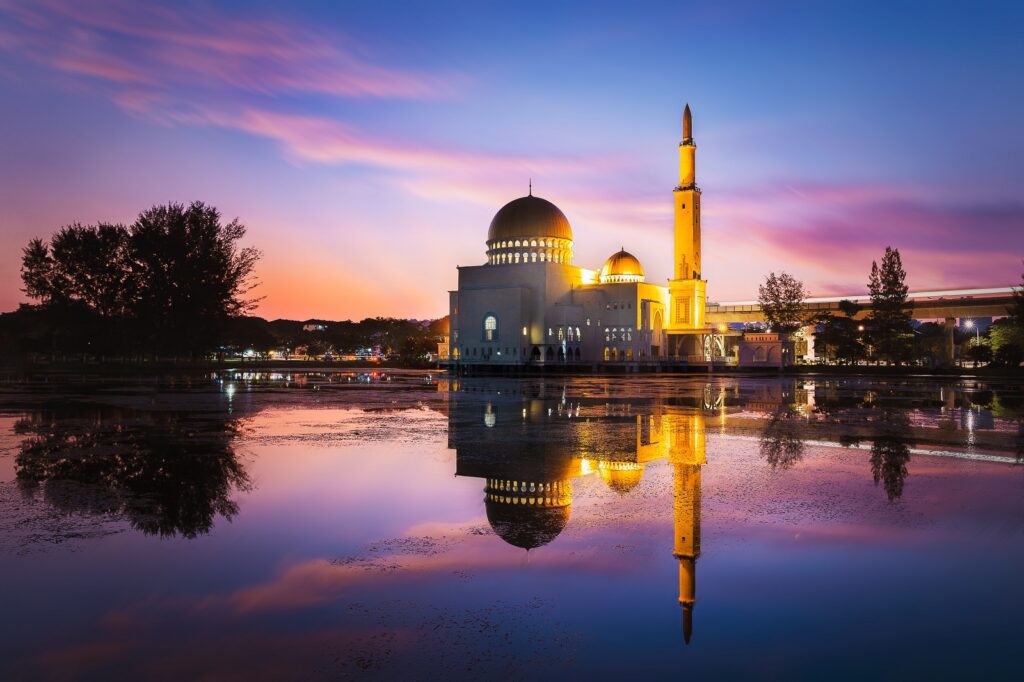
- Remove your shoes when visiting religious sites.
- Gifts:
- For Chinese Malaysians: do not bring flowers to a Chinese Malaysian person as flowers are meant for funerals, and avoid wrapping gifts in black, white or blue (red and yellow are great choices).
- For Indian Malaysians who practise Hinduism: Avoid giving anything made of leather to Hindus because cows are sacred to them, and avoid the frangipani flowers as it’s associated with funerals. Avoid white and black wrapping paper.
- For Malays: avoid alcohol or anything made with pigskin. Don’t wrap in white or yellow colours (white is for funerals, yellow is for royals).
Final thoughts on Malaysian facts, culture, and etiquette
Malaysia’s ethnic and cultural diversity make it a very interesting country to visit, with a variety of choices for cuisines to choose from, and various festivals and customs to observe. On top of that, the natural landscapes and abundant endemic wildlife add to the reasons to visit this country. By learning the basic facts about Malaysia and embracing Malaysian culture and etiquette, you will create a better voyage for yourself and the local communities.
FAQs About Malaysia
- Is tap water safe to drink in Malaysia?
It is not advisable to drink the tap water in Malaysia. Most people use a filter attached to the tap to get drinking water, although regular tap water is safe for brushing your teeth.
- What language do they speak in Malaysia?
Malay is the official language, although English is taught in school and most people speak English. Mandarin and Tamil are also spoken.
- Is Bahasa Malaysia the same as Bahasa Indonesia?
They both fall under the Malay language umbrella. They are also mutually intelligible (aka speakers of either language can understand the other), since the two languages are almost identical and use similar words, although the meanings and pronunciations at times can differ.
- Is Malaysia a safe country?
Malaysia is a fairly safe country, particularly in major hubs like Kuala Lumpur and Penang. Some parts of Sabah near Semporna had cases of kidnapping and piracy years ago, but the Malaysian police and authorities have increased their diligence in those regions. I was there recently and felt safe.
- Is Malaysia safe for women?
Yes Malaysia is safe for women and women travelling solo. However, it is a conservative country and as tourists we need to be mindful of that and dress modestly and behave appropriately.
- Is Malaysia LGBTQ+ friendly?
While Malaysia is a muslim country and there are no laws protecting LGBTQ+ members, major cities like Kuala Lumpur and Penang are very accepting and open-minded. There are gay bars, venues, and events that welcome the LGTBQ+ community.
- Is Malaysia similar to Singapore?
Singapore used to be part of Malaysia from 1963 to 1965. You will find some similarities in the culture, accents, and food, but they are separate countries.