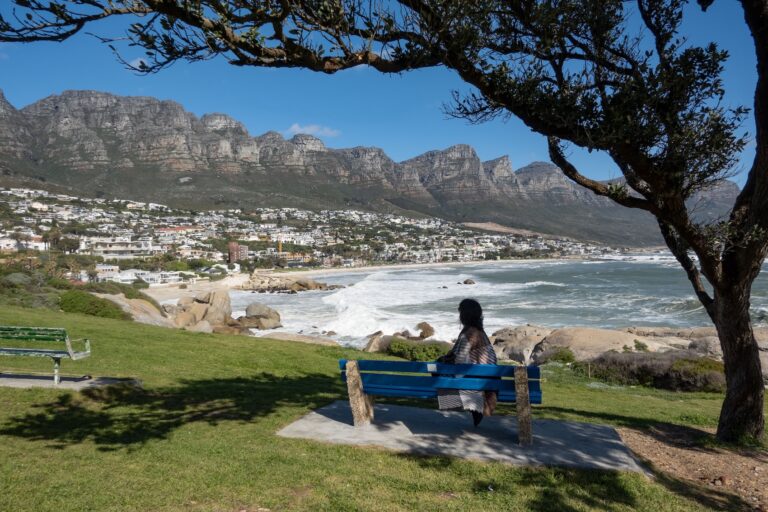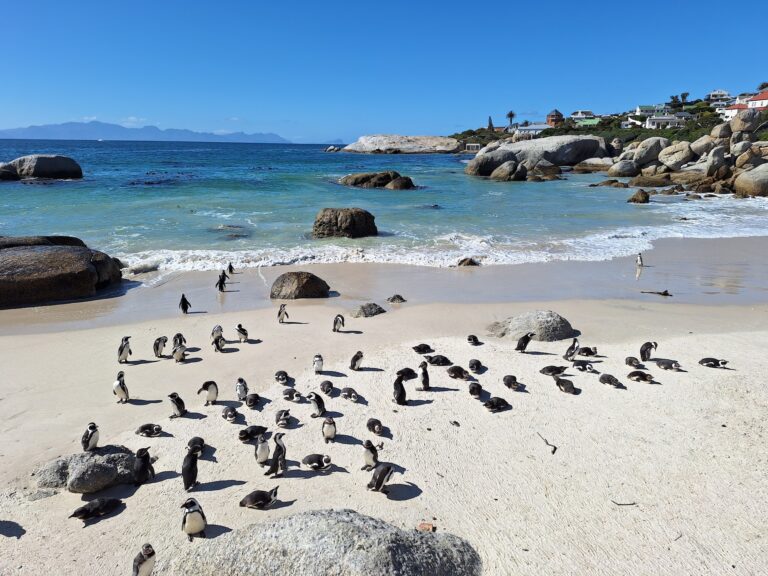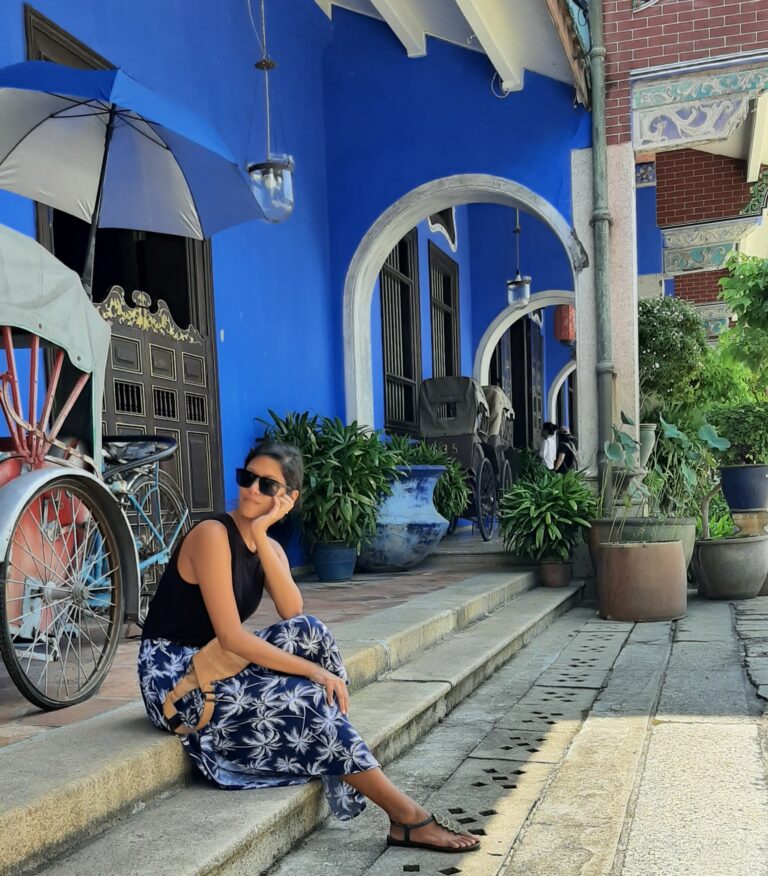
Portugal offers so much: sun, sea, surf, seafood, and a bunch of other things that don’t start with s, like delicious wine, friendly people, and a chill lifestyle. Most visitors have an idea of what they want to see in Portugal, so instead of a list of things to do, here are some fun facts about Portugal, an introduction to the culture, and etiquette to follow when visiting (PS: check out the eco conscious Maia blog for a 10-day itinerary for Lisbon and Porto).
Portuguese culture and history are important to understand, as it will only help you appreciate and enjoy your visit even more.
(If you’re planning to visit Lisbon, check out these eco hotels and top things to do in Lisbon)
Fun facts about Portugal: an introduction
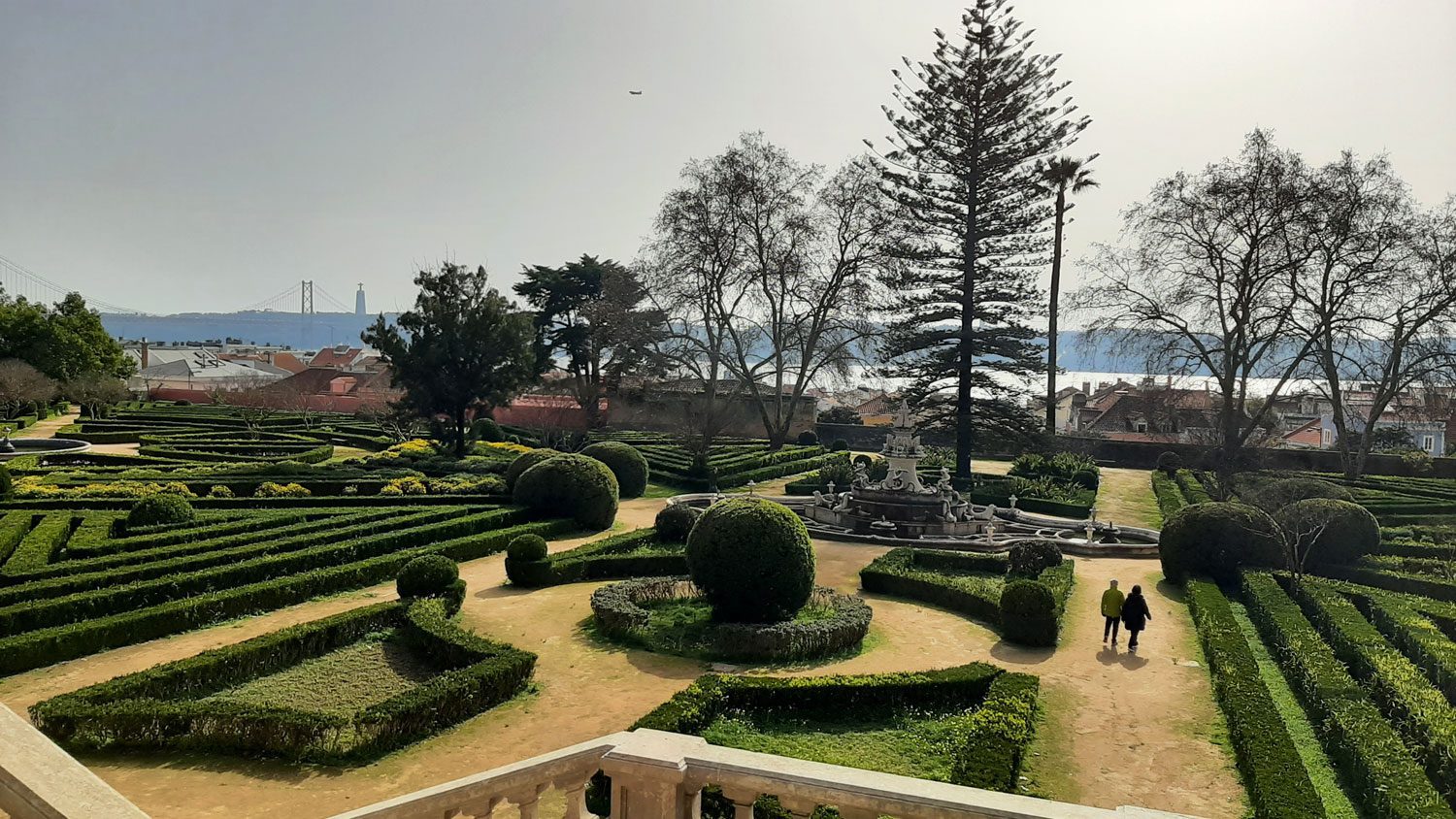
Portugal is named after its second largest city, Porto (meaning: harbour). It is the oldest country in Europe, and was the first global empire and maritime power in history.
The official language is Portuguese, which is also the official language in Angola, Brazil, Cabo Verde, East Timor, Equatorial Guinea, Guinea-Bissau, Macau, Mozambique, and Sāo Tomé and Principe. These are all previous colonies of Portugal.
Portugal was the first country to establish the Atlantic slave trade, but also the first to abolish it.
Regions of Portugal
There are three main parts to Portugal’s mainland: norte (north), centro (the central area), and sul (the southern region), although sometimes it’s broken down into 5 (north, central, Lisbon and Tagus valley, Alentejo, Algarve). Each area is distinct.
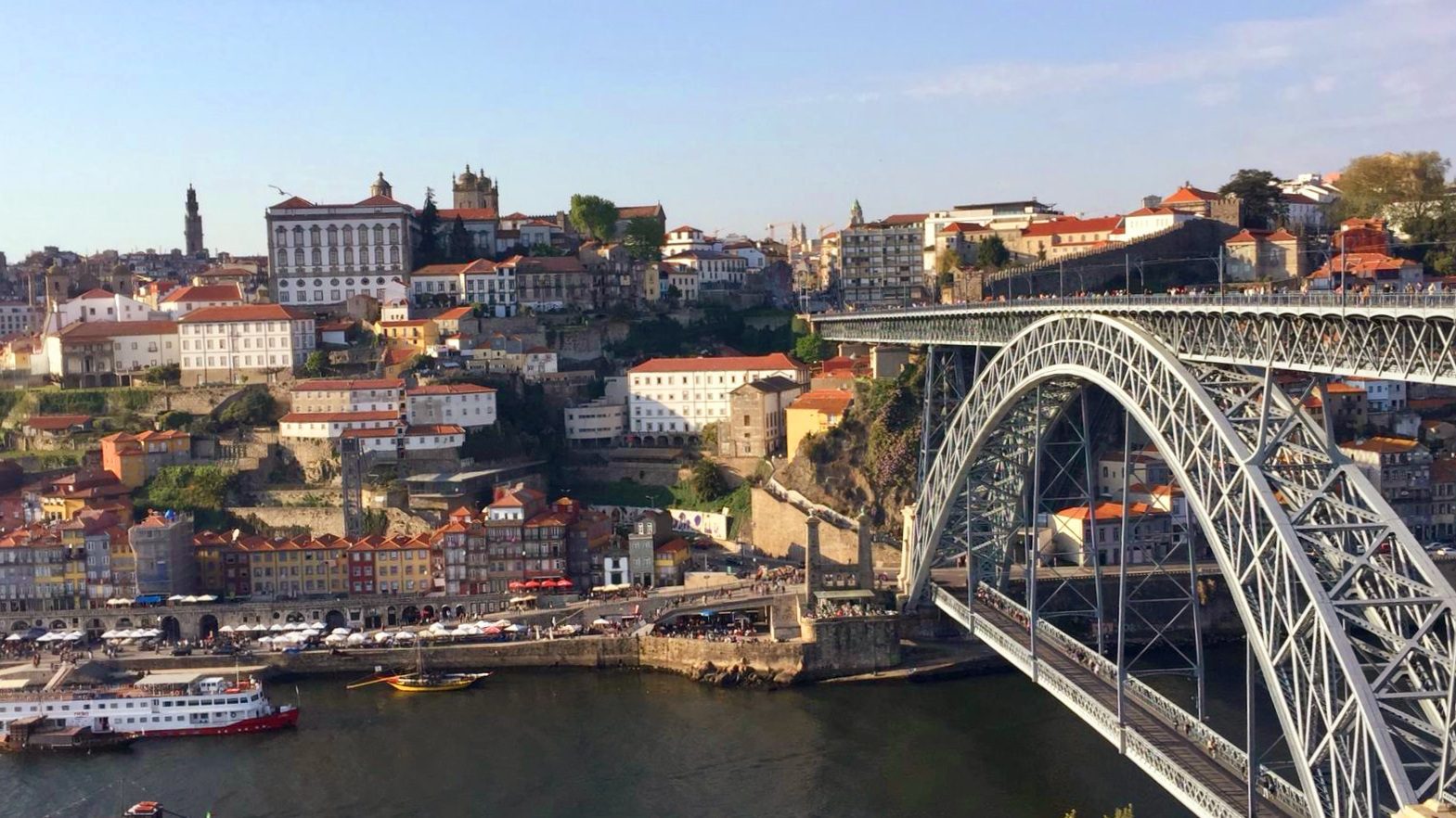
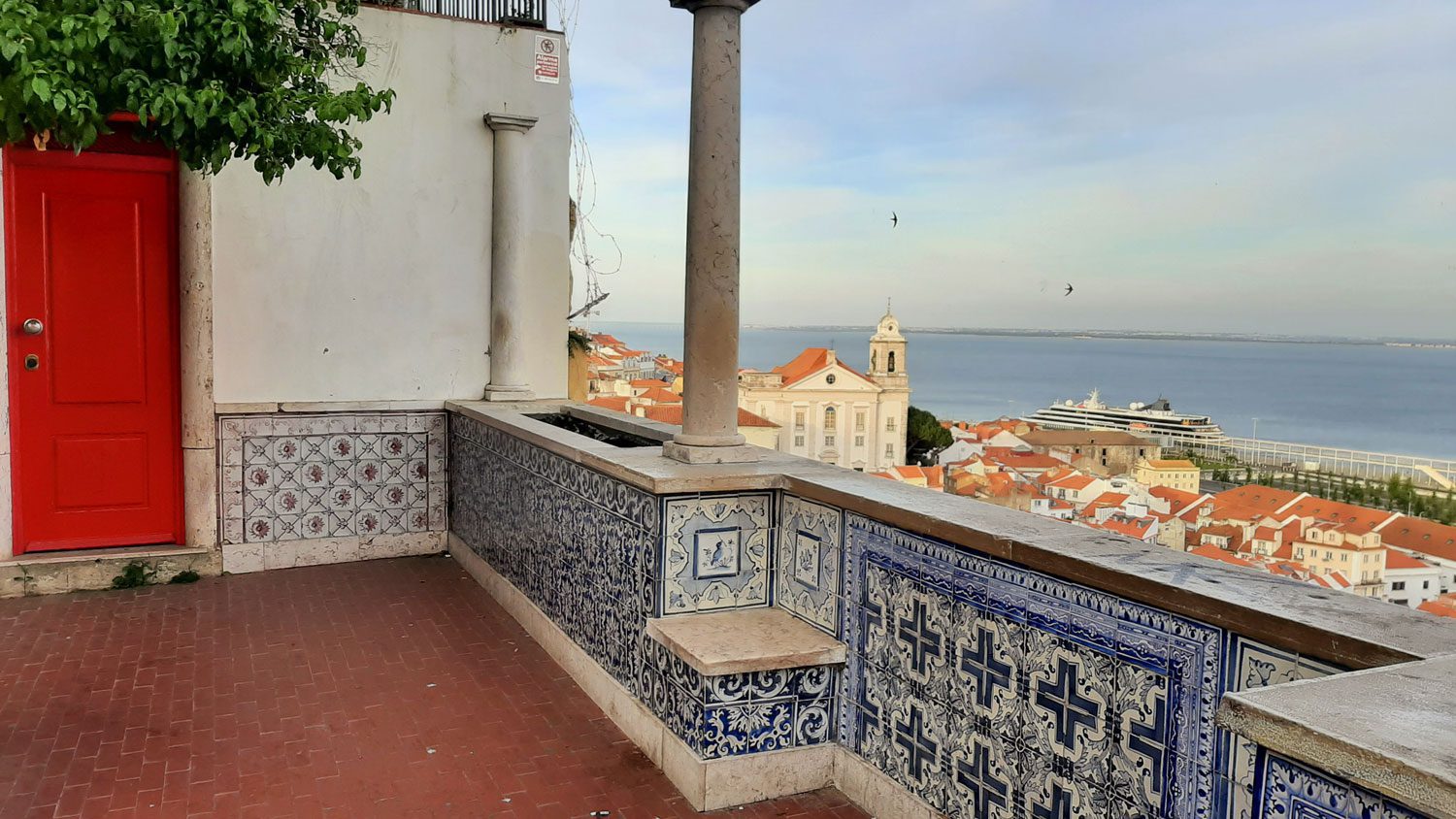
- The north for wine, green lush mountains, and Porto, the second largest city of Portugal.
- Centro is the region between Porto and Lisbon, known for its cultural and historical heritage. Lisbon is sometimes considered as Centro.
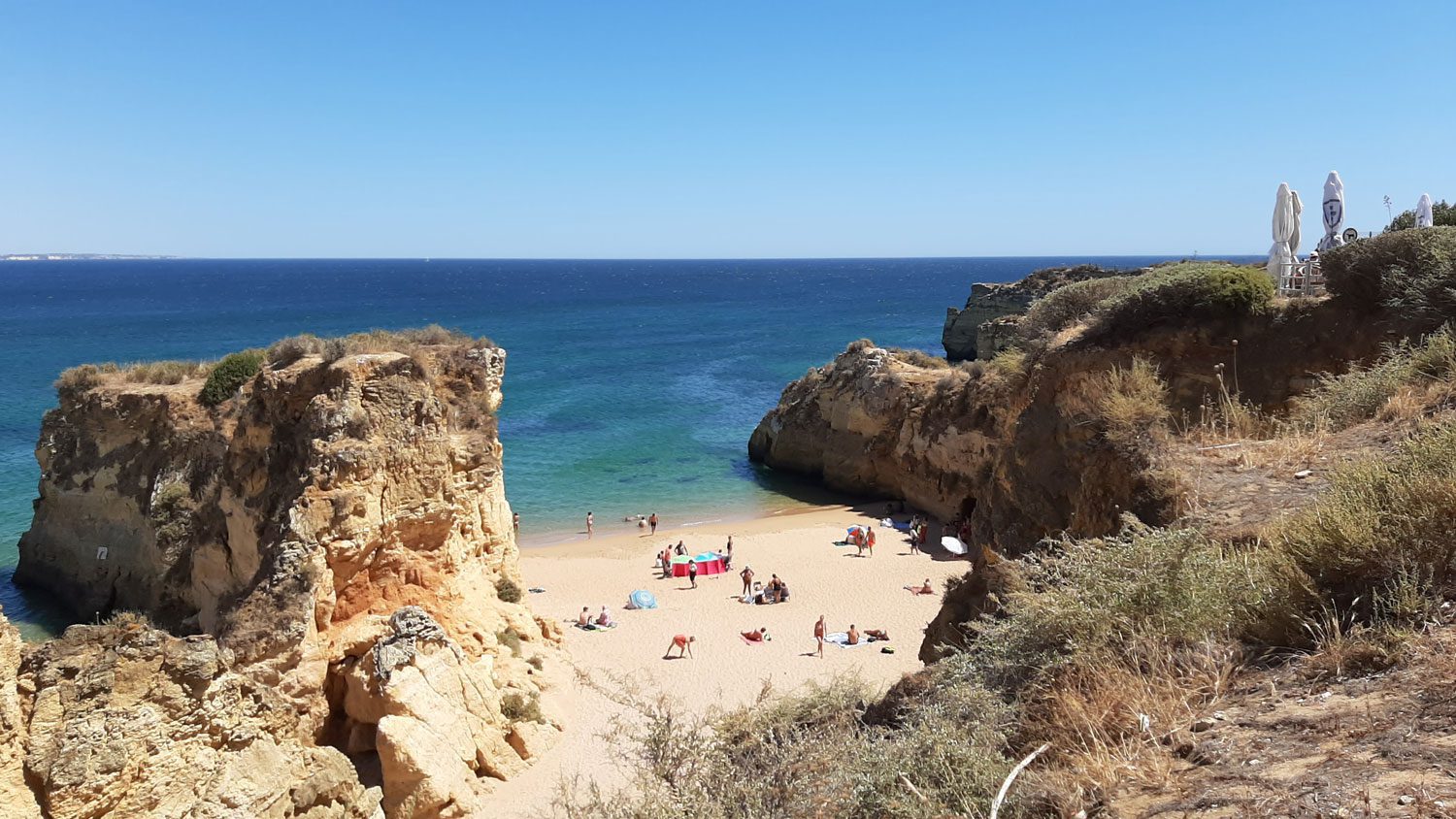
- The south is warmer and drier, and is home to gorgeous turquoise beaches, particularly in the Algarve region. All three regions offer opportunities for surfing, as well as sustainable experiences and eco-friendly accommodations.
Madeira and the Azores are autonomous regions of Portugal, and everyone has thoughts about which one is better. In reality, both are beautiful and offer their own uniqueness.
The Madeira archipelago is closer to Morocco, and has two main islands (Madeira and Porto Santo). Madeira is mountainous and has a subtropical climate, sea cliffs, great wine, hiking trails, and whale watching opportunities.
The Azores are volcanic islands consisting of 9 main islands and smaller islets. The climate is usually mildly warm but quite humid, and there is a lot of volcanic greenery, beaches with brown sand, and forests.
Fun and essential facts to know about Portugal
Currency: euro
Official language: Portuguese
Driving: right side
Capital: Lisbon (in Portuguese it’s Lisboa, pronounced “Lishboa”)
Population: 10.2 million
Size: 92359 sq km
Borders: Atlantic Ocean and Spain
Cultural influences: Has Roman, Germanic, and Islamic influences
Member of: UN, EU, NATO, and Schengen states
Known for: coastline and surf, cork (largest cork forest), port wine, egg custard pastry
Climate: Mediterranean (cool and wet in the north, warm and dry in the south)
Basic words to know in Portuguese:
- Hello: olá
- Yes / no: sim / não (don’t pronounce the m in sim. Não almost sounds like “now” with a nasal tone)
- Thank you: obrigado/a
- You’re welcome: de nada
- Please: se faz favor / por favor
- Excuse me: Com licença (the m is silent)
Fun facts about Portugal’s culture
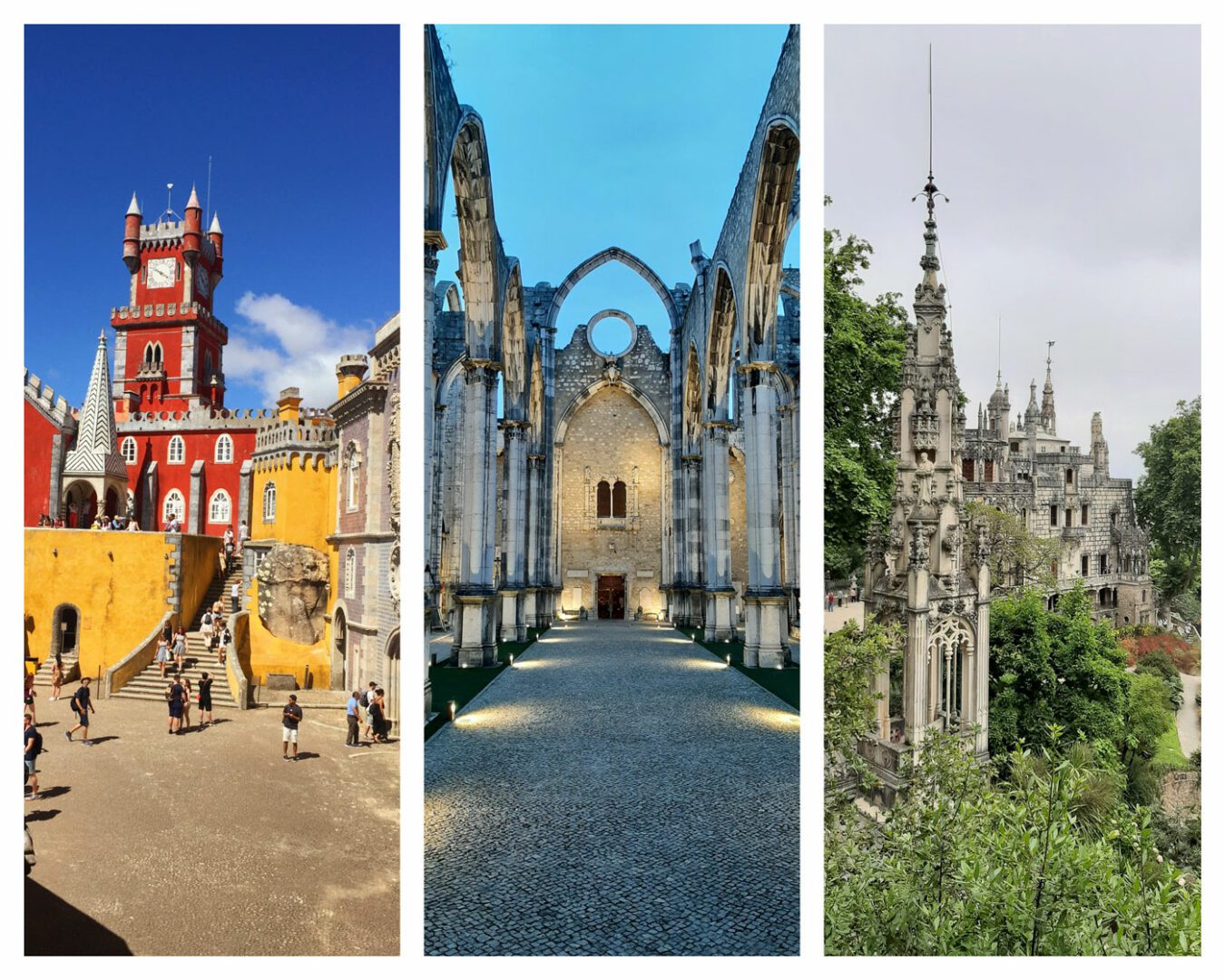
- Art, literature, and music are important aspects of Portugal’s culture. Many of the historical landmarks were designed with much thought and precision.
- Physical affection is a part of everyday life. Friends and family greet each other with a hug and/or a kiss on each cheek. During the COVID era, it was strange to avoid touching someone upon meeting up. People did an awkward wave instead.
- Portuguese people are usually friendly and eager to help.
- People don’t generally talk loudly or gesture a lot.
- Being late for social gatherings is accepted, but no more than 15 minutes for meals.
- Meals are a social affair and can last for hours, especially dinner and on weekends. Lunch tends to be faster during weekdays only because people have to get back to work.
- Portuguese society is very family-oriented. Sundays are usually reserved for family time, and many adults have Sunday lunch with their parents.
- There is a general tendency to complain or embrace a negative perspective, especially among the older generations. But perhaps it’s better to think of it as simply embodying the concept of “saudade”: a kind of longing and sadness for the past, but also happiness and nostalgia. This general mood is reflected in Fado, a music genre in Portugal that embodies the same emotions.
- Portugal is predominantly Roman Catholic. A lot of the public holidays are religion-related. However, most people are not heavily religious, or even attend church regularly. Easter and Christmas are big events, but mostly treated as a family gathering rather than a religious affair.
- Some of the older generations (people in their 50-60s) learned French in school and many can still speak it fluently. French was the main foreign language being taught in schools for decades, and it was only around the 90s that English was introduced. The reason was that there was a heavy French influence in Portugal, and for a while, there was a wave of migration of Portuguese people to France and Luxembourg.
- Portuguese people drink a lot of coffee, usually espresso, often consumed at the counter at coffee shops.
- Football is the most popular sport.
- There can be some rivalry between the major cities (Lisbon and Porto), but it’s usually friendly and harmless.
Cultural sensitivity and etiquette in Portugal
- Portugal is not a part of Spain, but it is part of the Iberian Peninsula. Avoid mentioning the similarities between Spain and Portugal.
- English is widely spoken in Portugal, but it would be wrong to assume that everyone speaks it fluently. Locals always appreciate when visitors try to speak a little bit of Portuguese, even just to say thank you or hello.
- Portuguese people are proud of their history and culture, even if they occasionally complain (mostly about bureaucratic processes).
- On that note, it’s ok for Portuguese people to complain about Portugal, but it’s often not well-received for foreigners, whether expats, immigrants, or tourists, to complain about Portugal aggressively.
- Portugal’s salaries are among the lowest in Western Europe, and they do not match the high cost of living. Hence, life for local residents and citizens can be harsh, and it’s inconsiderate and frustrating when tourists and expats talk about how “cheap” life is in Portugal.
- It is illegal to make disruptive noise such as playing loud music between the hours of 11 PM and 7 AM. During the day it’s technically allowed, unless the noise is disruptive to others’ daily life and tasks. For instance, if your neighbour’s dog barks all day every day, you have a right to file a complaint.
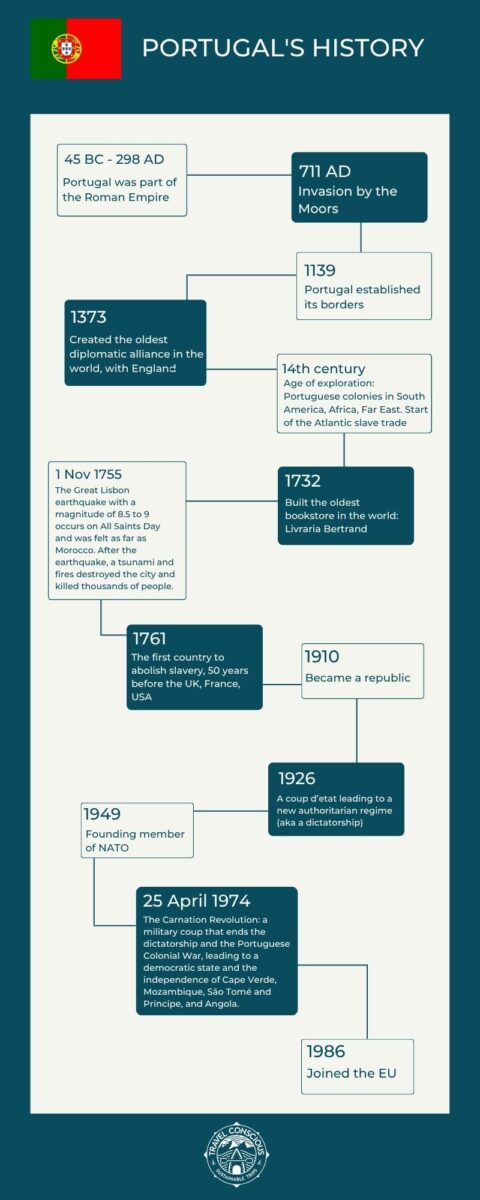
Portugal’s history: a timeline
Our final thoughts
Even without all the gorgeous beaches or delectable food, Portugal should be on everyone’s list. The culture and history are incredibly interesting, and people are usually friendly and helpful. If you’ve already decided to pay a visit, here is a list of eco-friendly accommodations in Lisbon and the top things to do in Lisbon.