There are many little things that make South Korea unique. Before visiting, whether you’re staying for one night or a week, check out the info below about South Korean culture and important etiquette to follow.
Facts about South Korea
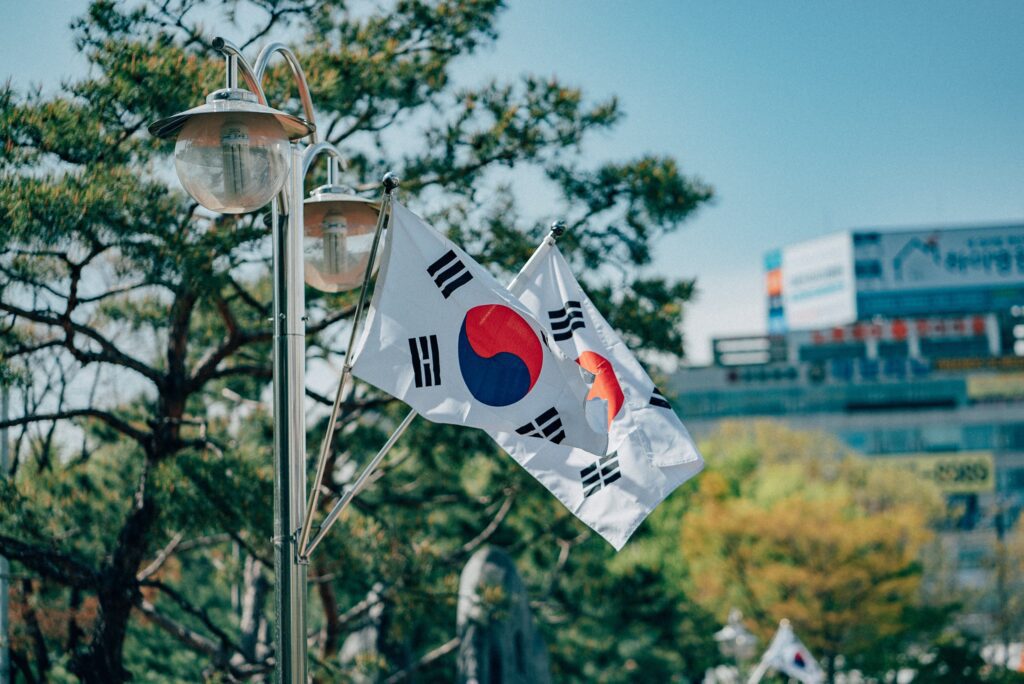
- East Asian country, known for K-pop and captivating drama shows and movies like Squid Game and Parasite.
- The official currency is the South Korean won (symbol: ₩).
- Official language in South Korea: Korean, written in hangul (but English, Mandarin, and Japanese are also spoken).
- Some ancient cultural things that South Korea is unique for:
- Talchum dances (the Tal masks were originally used for hunting)
- Hanji wood bark paper
- Jultagi tightrope walking
- Janggu drumming
- South Korea’s climate is extreme in winter and summer so plan carefully when you want to go. Winter is harsh but dry, summer temperatures go up to 40°C (104°F) and prone to rain.
- It is an affordable country to visit, especially when comparing activities in South Korea to things to do in some Japanese cities.
- Getting around by public transport is easy in South Korea.
- South Korea is a very safe to visit.
- Don’t throw toilet paper down the toilet because the country’s waste management is not made to handle that. It will just clog the toilet.
- Karaoke (noraebang) is one of the most popular social activities in South Korea.
- South Korea is big on recycling, so make sure to recycle your trash.
- South Koreans are generally focused on their family and community, and so some might not seem very interested in tourists, while others are incredibly friendly and helpful towards strangers.
- There’s free wifi everywhere.
South Korean culture and etiquette
There are customs in South Korea that should be followed in order to be a respectful tourist. When visiting, keep in mind the following topics about etiquette in South Korea.
Age hierarchy
- Hierarchy based on age is a big part of South Korean culture. It’s totally normal to ask people’s age, so as to know what the hierarchy and appropriate etiquette is.
- You will have to add one year to your actual age in South Korea, because when babies are born they are considered to be 1 year old instead of starting at 0 months old.
Dress code
- Showing off your legs (aka wearing shorts or short or medium-length skirts) is acceptable, but showing cleavage or wearing sleeveless tops – not so much. During summer when it gets really hot, most women wear loose t-shirts.
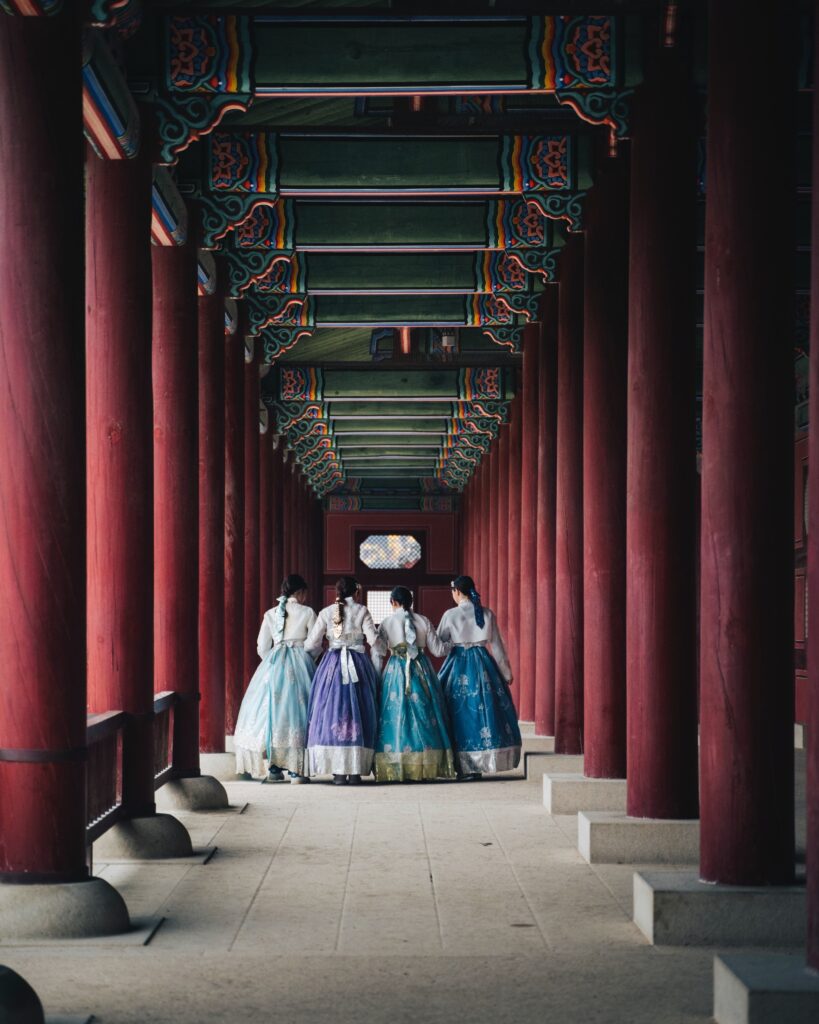
- Traditional Korean clothing is called hanbok, and the colours indicate things like social and marital status. These days, people only wear hanbok on specific holidays.
- Tip: if you rent a hanbok, you can visit Gyeongbokgung Palace and Changdeokgung Palace in Seoul for free
Greetings and general social etiquette
- A little bow when meeting someone is polite.
- Give physical space and avoid touching strangers.
- Engage both hands to shake hands, pass something, or accept something, but the right hand should be the “main” hand. For instance, if you’re shaking hands, use your right hand but still engage the left one by placing it on your right wrist.
- If you need to call someone over, your palm should be facing down. Koreans use the palm up gesture to call their dogs.
- Always ask permission before taking someone’s photo.
When dining
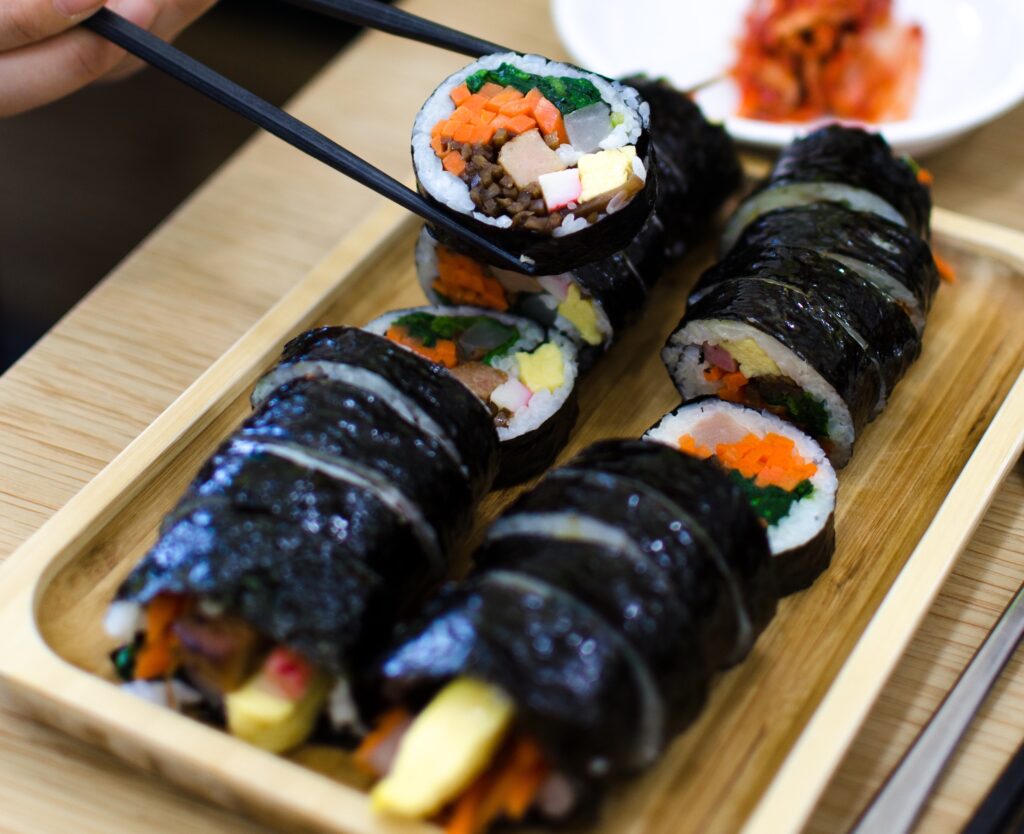
- When eating, let elderly people start eating first.
- Do not pour your own drinks, let others do it for you, and you do the same for them.
- Place your chopsticks on the rim of your bowl after you’re done eating. Don’t place them upright.
- Tipping is not expected, and might even be offensive as it can be considered as charity.
- Never blow your nose at the dining table, or in front of others. This is something to be done privately in a bathroom.
Shoes and feet
- Take your shoes off when entering temples, schools, homes.
- The bottoms of feet are considered dirty, so feet should always remain on the floor. Don’t prop them up on a table.
Superstitions
- The number 4 in Korean sounds like “death” and hence is to be avoided. A lot of buildings don’t have a 4th floor.
- Don’t write someone’s name in red, because deceased people’s names are written in red.
South Korea vs Japan
- South Korea is often compared to Japan, but they are very different countries with distinct cultures and customs. Japan tends to be more vibrant, and South Korea more calm.
- There is a lot of cruel history between Japan and South Korea, and South Korea was under Japanese rule for 35 years (1910-1945). South Koreans are still dealing emotionally with the suffering they experienced. It’s best to avoid bringing up Japan when in South Korea, and avoid comparisons of any kind. However, if you’re curious about the similarities in culture, read about Japanese culture and etiquette.
FAQs
- What is South Korea known for?
South Korea has shot up in world wide popularity due to its pop culture, mostly with K-pop music, drama tv shows, and movies. They are also known for their Samsung phones, skincare products, and delicious fried chicken.
- Is South Korea safe?
Yes, South Korea is very safe, and there are low crime rates. The streets are safe to explore at night too, as there are usually a lot of locals out and about til late.
- Is it safe to drink tap water in South Korea?
Yes, it is safe to drink tap water in South Korea, as there are strict processes and regulations for water safety.
- Is tipping expected in South Korea?
No, and in fact it is considered rude to tip and will only create embarrassment for all parties involved.
Final thoughts on South Korean culture and etiquette
This introduction to South Korean culture covers the basic facts and etiquette to follow when in South Korea. There is, of course, much more to know about South Korea, but this list above should be enough for your visit.